China Military Build-Up Sparks Alarm Across Asia, Says US
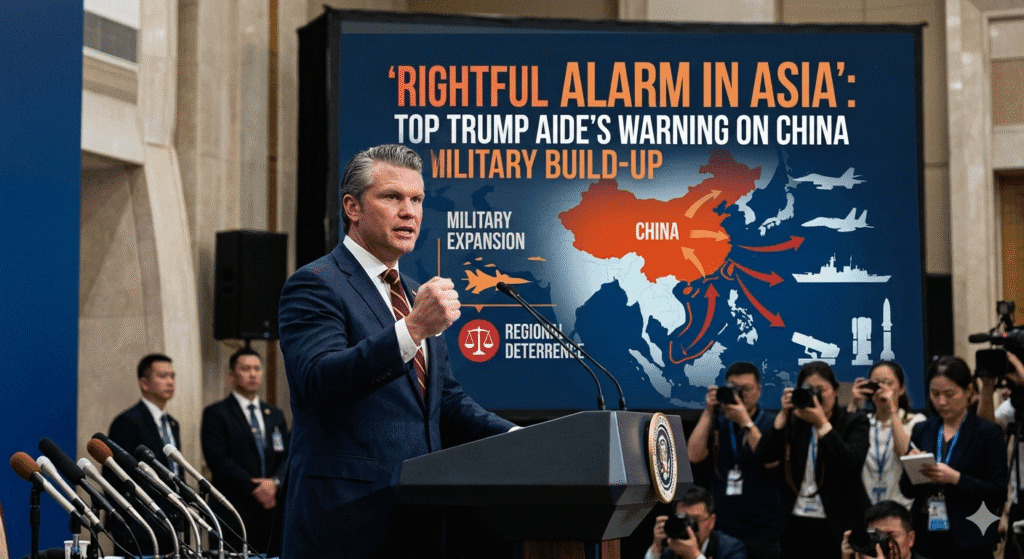
Table of Contents
US Raises Concerns Over China’s Expanding Military Power
The growing China military build-up has triggered fresh concerns across the Asia-Pacific region, according to US Defense Secretary Pete Hegseth. Speaking at the Shangri-La Dialogue in Singapore, one of Asia’s most influential defense forums, Hegseth warned that Beijing’s rapid military expansion is causing what he described as “rightful alarm” among regional nations.
His remarks come at a time when geopolitical tensions continue to intensify across the Indo-Pacific. As competition between the United States and China expands into military, economic, and technological domains, regional governments are increasingly focused on preserving stability while avoiding direct confrontation.
Addressing defense officials, military leaders, and security experts from dozens of countries, Hegseth emphasized that Washington’s objective is not conflict but maintaining a balance of power that prevents any single nation from dominating the region.
Why China’s Military Expansion Is Drawing Global Attention
China has spent years modernizing its armed forces under President Xi Jinping’s leadership. The modernization campaign has included significant investments in advanced missile systems, naval capabilities, cyber warfare infrastructure, satellite communications, and nuclear deterrence programs.
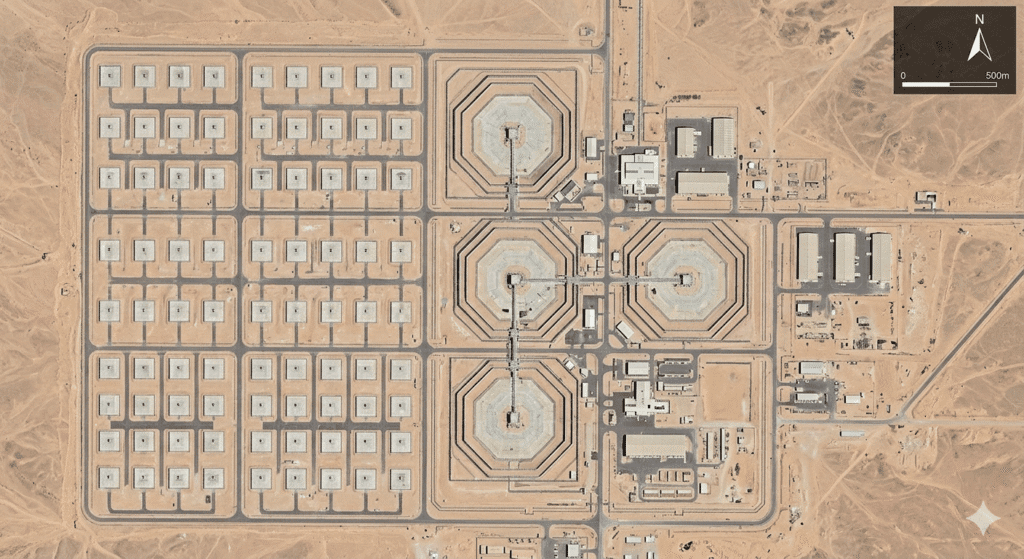
According to recent assessments by security analysts, Beijing has accelerated efforts to strengthen its strategic military infrastructure. Satellite imagery reviewed by experts has reportedly revealed extensive construction activity around China’s long-range missile facilities.
The developments include:
- New launch pad networks for mobile missile systems.
- Hardened underground bunkers designed for military operations.
- Advanced communications facilities.
- Electronic warfare infrastructure.
- Enhanced command and control centers.
- Expanded nuclear force protection systems.
Security experts believe these projects are intended to improve China’s ability to maintain military operations during a crisis while strengthening its strategic deterrence capabilities.
Pete Hegseth’s Message at the Shangri-La Dialogue
Speaking before an international audience in Singapore, Pete Hegseth argued that countries throughout the region are increasingly concerned about China’s military ambitions.
While stressing that the United States does not seek unnecessary confrontation, he stated that Washington remains committed to preserving a stable regional order. According to Hegseth, the goal is to maintain a durable balance where no country can exercise unchecked influence over regional security or economic prosperity.
The comments reflect a broader US strategy focused on strengthening alliances and partnerships throughout Asia. American policymakers have repeatedly emphasized cooperation with regional allies as a means of ensuring stability and deterring aggression.
Hegseth’s speech also highlighted the growing importance of the Indo-Pacific region in global security calculations. The region accounts for a significant share of global trade, manufacturing output, and strategic maritime routes, making stability there a priority for many nations.
China’s Nuclear Expansion and Strategic Implications
One of the most closely watched aspects of China’s military modernization is its nuclear weapons program. Analysts have increasingly focused on the pace of China’s nuclear development and the infrastructure supporting its strategic missile forces.
Recent reports suggest that China is constructing a broad network of facilities aimed at enhancing the survivability and effectiveness of its nuclear arsenal. Such infrastructure could help ensure what military strategists call a “second-strike capability” — the ability to respond with nuclear force even after sustaining an initial attack.
This capability is considered a cornerstone of modern nuclear deterrence. As a result, China’s efforts are being monitored closely by governments and defense experts worldwide.
The expansion has also intensified discussions regarding transparency. Several Western officials have argued that Beijing has provided limited information about the long-term objectives of its nuclear modernization efforts, contributing to uncertainty within the international security community.
The Taiwan Factor and Regional Tensions
The issue of Taiwan remains one of the most sensitive flashpoints in US-China relations. Beijing considers Taiwan part of its territory, while Taiwan operates with its own democratic government and institutions.
Growing military activity around Taiwan has heightened concerns among regional governments. Military exercises, naval deployments, and air patrols have become increasingly frequent, drawing attention from neighboring countries and international observers.
Many analysts believe China’s broader military expansion cannot be viewed separately from tensions surrounding Taiwan. The island’s strategic location and economic importance make it central to security calculations throughout the Indo-Pacific.
Any escalation involving Taiwan could have significant consequences for global trade, supply chains, and international security.
How Asian Nations Are Responding
Countries across Asia are responding to changing security dynamics in different ways. Some governments have increased defense spending, while others have expanded military cooperation with allies and regional partners.
Several nations have strengthened security relationships with the United States, Japan, Australia, and other regional powers. Joint military exercises, intelligence-sharing agreements, and defense modernization programs have become more common as governments seek to adapt to evolving strategic challenges.
At the same time, many Asian countries continue to balance security concerns with economic realities. China remains a major trading partner for numerous nations across the region, creating complex diplomatic considerations.
This balancing act has become one of the defining characteristics of contemporary Asia-Pacific geopolitics.
What This Means for US-China Relations
The remarks from Pete Hegseth underscore the growing strategic rivalry between the world’s two largest economies. While both Washington and Beijing publicly emphasize the importance of stability, competition continues to intensify across multiple fronts.
Military modernization, technological competition, trade disputes, and differing visions for regional governance have all contributed to rising tensions. The challenge for policymakers on both sides is managing competition without allowing it to escalate into direct conflict.
Defense forums such as the Shangri-La Dialogue play an important role in maintaining communication channels and reducing the risk of misunderstandings during periods of heightened tension.
The Future of Security in the Indo-Pacific
The debate surrounding China’s military expansion is likely to remain a central issue in international security discussions for years to come. As Beijing continues investing in advanced military capabilities and the United States reinforces its regional partnerships, the Indo-Pacific will remain at the heart of global strategic competition.
For governments throughout Asia, the priority will be preserving peace, protecting economic growth, and maintaining regional stability amid shifting power dynamics.
The warning delivered by Pete Hegseth reflects broader concerns shared by many security analysts: that managing the balance between deterrence, diplomacy, and cooperation will be critical in shaping the future of the Asia-Pacific region. As military capabilities continue to evolve, the decisions made by global leaders today will have lasting consequences for regional and international security.