Table of Contents
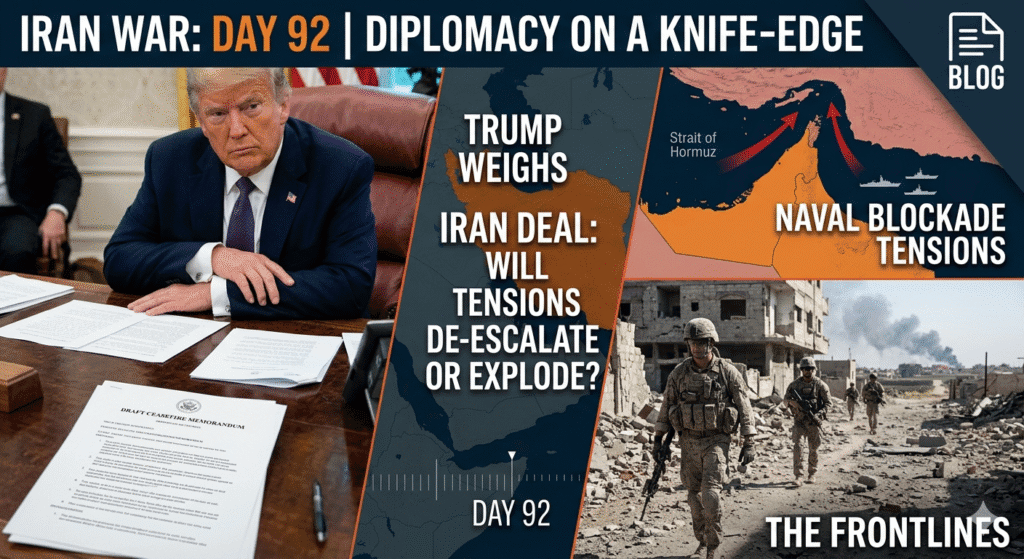
Trump Signals Progress in High-Stakes Iran Negotiations
US President Donald Trump has claimed that Iran has agreed not to develop nuclear weapons, marking what could become a significant turning point in ongoing negotiations between Washington and Tehran. The statement comes as both sides continue discussions aimed at reducing tensions that have dominated the Middle East for months.
The latest remarks from Trump suggest that diplomatic efforts may be moving toward a possible agreement, although Iranian officials continue to reject claims that a final deal has been reached. The uncertainty surrounding the talks has left governments, energy markets, and international observers closely monitoring every development.
The potential agreement centers around one of Washington’s most important demands: ensuring that Iran never acquires a nuclear weapon. Trump has repeatedly stated that preventing Iran from developing nuclear arms remains his administration’s top priority. :contentReference[oaicite:0]{index=0}
What Trump Said About Iran’s Nuclear Program
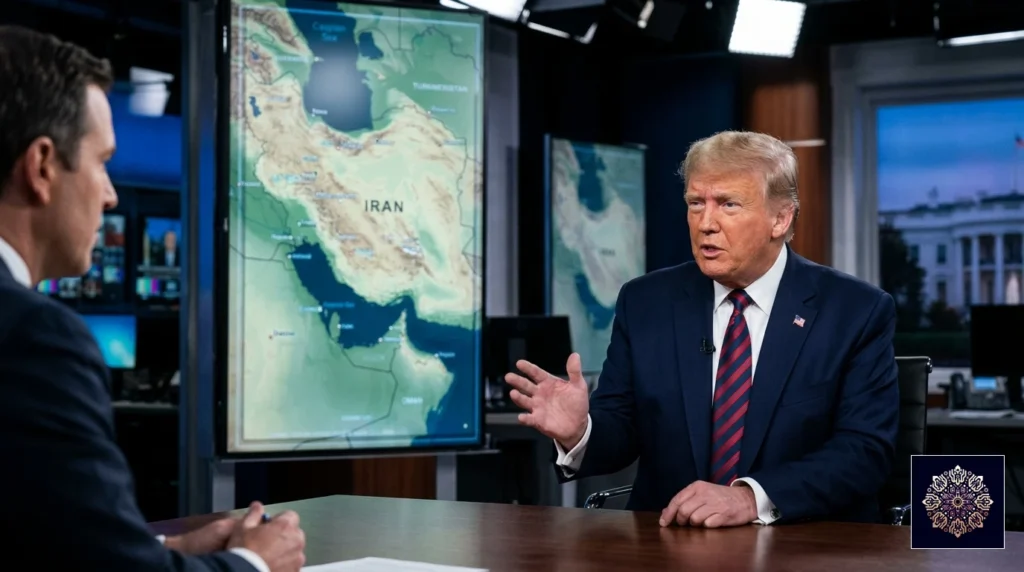
During an interview broadcast on Fox News, Trump said that Iran had agreed not to pursue nuclear weapons. According to the US president, this commitment represents a key condition for any future agreement between the two countries.
Trump stated that the guarantee he requires above all else is that Iran must never possess a nuclear weapon. He indicated that Tehran had agreed to this principle during ongoing negotiations. He also described recent discussions as positive and suggested that progress was being made toward a broader diplomatic understanding. :contentReference[oaicite:1]{index=1}
The remarks align with previous statements Trump has made throughout recent months, repeatedly emphasizing that any agreement must include strict restrictions on Iran’s nuclear ambitions. :contentReference[oaicite:2]{index=2}
Iran Continues to Reject Claims of a Final Agreement
Despite Trump’s optimistic assessment, Iranian officials have maintained that no final agreement has been completed. Representatives from Tehran have repeatedly stated that negotiations remain ongoing and that major issues still require resolution.
Iranian officials have also criticized some public statements coming from Washington, arguing that discussions should be judged by concrete actions rather than political announcements. Tehran has insisted that important details involving sanctions, regional security arrangements, and nuclear oversight mechanisms remain under negotiation. :contentReference[oaicite:3]{index=3}
This difference in messaging highlights the complexity of the talks and demonstrates that significant gaps may still exist between the positions of both governments.
Why the Nuclear Issue Remains Central
The future of Iran’s nuclear program remains the single most important issue in negotiations. For years, Western governments have expressed concern that Iran could eventually develop nuclear weapons capabilities, while Tehran has consistently argued that its nuclear activities are intended for peaceful purposes.
Trump’s administration has adopted a hardline approach, insisting that Iran permanently abandon any pathway toward nuclear weapons development. According to officials, this requirement remains non-negotiable and serves as the foundation of all ongoing discussions. :contentReference[oaicite:4]{index=4}
Security analysts note that the outcome of these negotiations could shape Middle Eastern geopolitics for years to come. A successful agreement could reduce tensions, while failure could increase the risk of further military escalation.
Strait of Hormuz Emerges as Another Major Negotiation Point
Beyond the nuclear issue, negotiations have also focused heavily on the Strait of Hormuz, one of the world’s most strategically important shipping routes.
Trump has repeatedly demanded unrestricted access through the waterway as part of any future agreement. The strait plays a critical role in global energy markets because a significant portion of international oil shipments pass through it each day. :contentReference[oaicite:5]{index=5}
Disruptions in the Strait of Hormuz have contributed to market uncertainty throughout the conflict. As a result, energy traders and governments worldwide are closely watching negotiations for signs that maritime tensions may ease.
Regional Security Stakes Continue to Rise
The ongoing talks are taking place against the backdrop of broader instability across the Middle East. Military operations involving Israel, Lebanon, Iran-backed groups, and regional security forces have continued despite diplomatic efforts.
Washington has emphasized that any agreement must contribute to broader regional stability while addressing concerns raised by US allies. Israel, in particular, remains closely involved in discussions surrounding Iran’s future nuclear capabilities.
Trump has previously assured Israeli leaders that any agreement would include strict safeguards preventing Iran from obtaining nuclear weapons. :contentReference[oaicite:6]{index=6}
Economic Implications of a Potential Deal
A successful agreement could have major economic consequences beyond the Middle East. Global oil markets remain highly sensitive to developments involving Iran due to the country’s significant energy resources and strategic location.
If negotiations lead to reduced tensions and fewer restrictions on shipping routes, analysts believe energy prices could stabilize. Businesses, investors, and governments are all monitoring developments because of their potential impact on fuel costs and international trade.
At the same time, unresolved disputes over sanctions and financial restrictions continue to complicate negotiations. Several key economic issues remain among the most challenging obstacles facing diplomats. :contentReference[oaicite:7]{index=7}
What Happens Next?
Although Trump has expressed confidence that progress is being made, major uncertainties remain. Iranian officials continue to reject suggestions that a final agreement is imminent, while US negotiators are reportedly seeking stronger guarantees on several key issues.
Reports indicate that Trump has requested additional revisions to parts of the proposed framework before approving any final agreement. Discussions involving nuclear oversight, sanctions relief, enriched uranium management, and maritime security remain ongoing. :contentReference[oaicite:8]{index=8}
The coming days may prove decisive as negotiators attempt to bridge remaining differences and determine whether a formal agreement is achievable.
Global Attention Remains Fixed on Washington and Tehran
The latest developments have once again placed US-Iran relations at the center of international attention. Trump’s claim that Iran has agreed not to develop nuclear weapons represents one of the strongest indications yet that negotiations may be producing results.
However, conflicting messages from Tehran show that substantial challenges remain before any agreement can be finalized. For now, governments, financial markets, and security analysts continue to watch closely as both sides attempt to navigate one of the most consequential diplomatic negotiations currently underway.
Whether these talks ultimately lead to a lasting agreement or renewed confrontation could shape the future of Middle Eastern security, international diplomacy, and global energy stability for years ahead.