Key Highlights
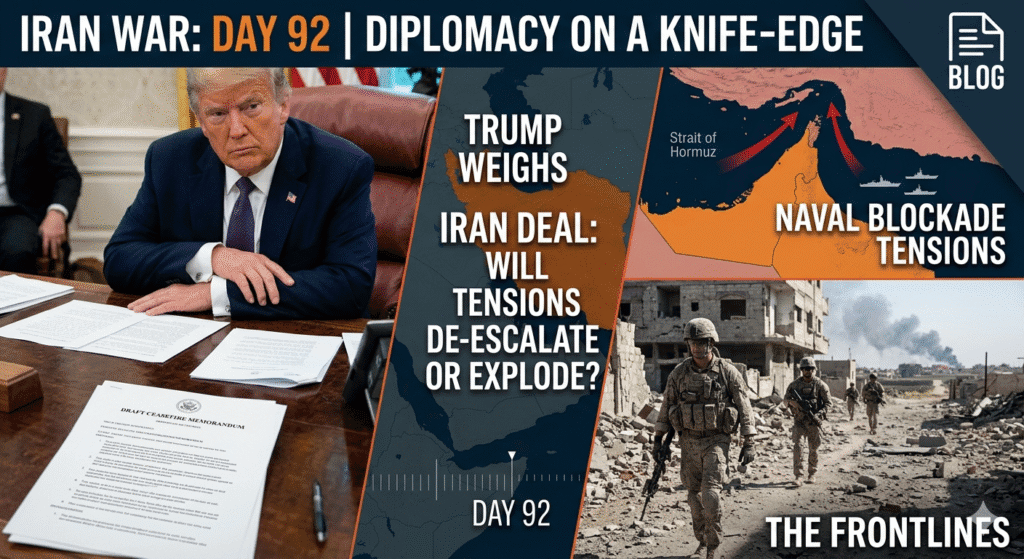
- Iran-US Peace Deal negotiations appear closer to a breakthrough than at any point since the conflict began.
- Discussions focus on Iran’s nuclear program, sanctions relief, and reopening the Strait of Hormuz.
- President Donald Trump has indicated that a final decision could come soon.
- Iranian officials say negotiations are continuing but insist that no final agreement has been signed.
- Global oil markets are closely watching developments due to the strategic importance of the Strait of Hormuz.
Table of Contents
Quick Facts
| Category | Details |
|---|---|
| Main Topic | Iran-US Peace Deal |
| Key Issue | Nuclear Program |
| Economic Impact | Oil Markets |
| Strategic Region | Strait of Hormuz |
| Status | Negotiations Ongoing |
Table Of Contents
- What Is The Iran-US Peace Deal?
- Why The Strait Of Hormuz Matters
- Major Issues In Negotiations
- Impact On Global Oil Prices
- What It Means For India
- Expert Analysis
- Timeline Of Events
- Frequently Asked Questions
What Is The Iran-US Peace Deal?
The Iran-US Peace Deal has become one of the most closely watched diplomatic efforts in the world.
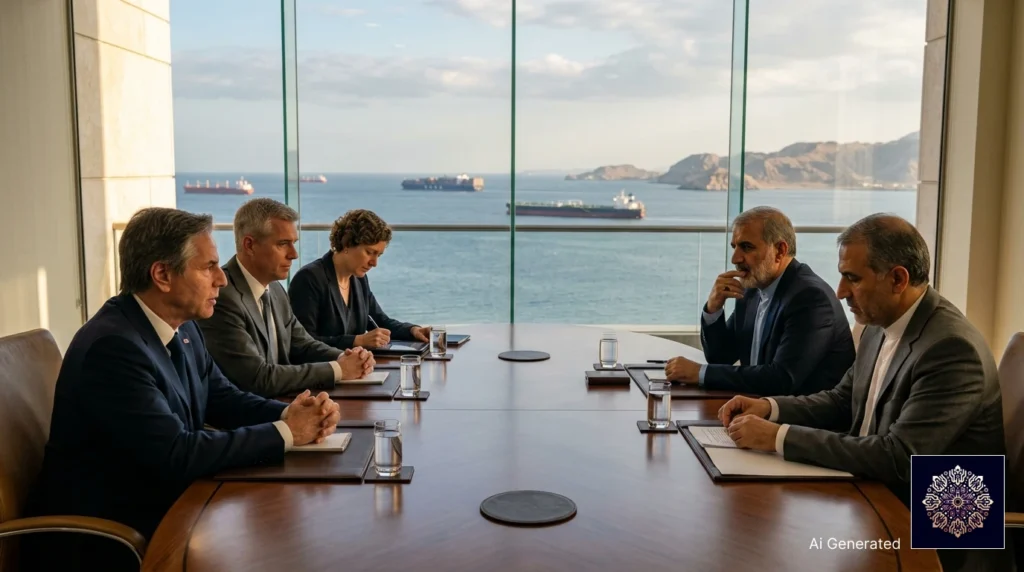
After months of military tensions, economic pressure, and uncertainty across the Middle East, both Washington and Tehran are engaged in discussions that could potentially reduce tensions and create a framework for future relations.
According to recent reports, negotiators have been working on a proposed agreement that addresses several critical issues, including Iran’s nuclear activities, sanctions, maritime security, and regional stability. While progress has reportedly been made, officials on both sides continue to signal that significant details remain unresolved.
Why The Iran-US Peace Deal Is Making Headlines
The reason this story is attracting global attention goes far beyond diplomacy.
The outcome could influence:
- Global oil prices
- Energy supply chains
- Financial markets
- International trade
- Regional security
- Global inflation
Whenever tensions rise in the Middle East, investors and governments pay close attention because of the region’s role in global energy production.
The possibility of a major diplomatic breakthrough has therefore generated significant interest among businesses, policymakers, and consumers alike.
Why The Strait Of Hormuz Matters
One of the most important elements of the Iran-US Peace Deal involves the Strait of Hormuz.
This narrow waterway is one of the world’s most important energy corridors. A large portion of global oil exports passes through the strait, making it strategically vital for both producers and consumers.
During periods of heightened tension, disruptions to shipping in the strait have caused significant concern among global markets.
Current negotiations reportedly include provisions related to reopening and securing maritime traffic through the area.
Will The Strait Of Hormuz Reopen?
One of the most frequently asked questions surrounding the Iran-US Peace Deal is whether the Strait of Hormuz will fully reopen.
Reports suggest that unrestricted shipping through the waterway is a major objective of ongoing negotiations. Some proposed frameworks reportedly include commitments aimed at ensuring safe passage for commercial vessels.
However, recent security incidents demonstrate that challenges remain.
Reports indicate that military forces continue monitoring activity in the region, highlighting the fragile nature of the situation.
Major Issues Being Negotiated
The Iran-US Peace Deal reportedly centers around several key issues.
| Issue | Importance |
|---|---|
| Nuclear Program | Core Negotiation Topic |
| Sanctions Relief | Economic Impact |
| Strait Of Hormuz | Global Energy Security |
| Regional Stability | Security Concerns |
| Verification Measures | Compliance Monitoring |
Each of these issues involves complex political, economic, and security considerations.
The Nuclear Program Question
The future of Iran’s nuclear activities remains one of the most sensitive aspects of the negotiations.
The United States has consistently emphasized restrictions on nuclear weapons development as a key objective.
Reports suggest that proposals under discussion include verification mechanisms and long-term monitoring arrangements.
Iran, meanwhile, has maintained that discussions continue and that final terms have not yet been agreed upon.
Why Oil Markets Are Watching Closely
Energy markets have reacted strongly to reports of potential progress.
Analysts note that any agreement leading to improved shipping conditions in the Strait of Hormuz could affect global oil supply expectations.
Recent reports showed oil prices declining after optimism emerged regarding possible diplomatic progress between Washington and Tehran.
For consumers, businesses, and governments, energy prices remain one of the most important economic indicators.
How The Iran-US Peace Deal Could Affect India
India has significant interests in developments across the Middle East.
Several factors make the Iran-US Peace Deal particularly relevant:
- Energy imports
- Oil price stability
- Trade routes
- Regional security
- Economic growth
A reduction in tensions could potentially support more stable energy prices, which would benefit major importing countries such as India.
Lower energy costs can influence transportation, manufacturing, inflation, and consumer spending.
Global Economic Implications
The Iran-US Peace Deal has implications far beyond the Middle East.
Potential effects include:
- Lower oil price volatility
- Improved investor confidence
- More stable shipping routes
- Reduced geopolitical risk
- Greater market certainty
Financial markets often react quickly to developments involving major energy-producing regions because of their impact on the global economy.
Timeline Of Recent Developments
Key Events
- Initial diplomatic contacts resume.
- Discussions expand to include maritime security.
- Proposals regarding the Strait of Hormuz emerge.
- Nuclear program restrictions become a central topic.
- Reports suggest negotiators are nearing a framework agreement.
- Final approval and implementation discussions continue.
Expert Analysis
Many analysts believe the Iran-US Peace Deal represents one of the most important diplomatic efforts currently underway.
The agreement’s significance extends beyond the immediate parties involved.
If successful, it could:
- Reduce regional tensions
- Improve energy security
- Support global economic stability
- Lower geopolitical risk premiums
- Create opportunities for broader diplomatic engagement
However, experts also caution that implementation may prove more challenging than reaching an initial agreement.
Verification, compliance, and political opposition could remain significant obstacles.
Frequently Asked Questions
What is the Iran-US Peace Deal?
The Iran-US Peace Deal refers to ongoing negotiations addressing Iran’s nuclear program, regional security issues, sanctions, and the Strait of Hormuz.
Has a final agreement been reached?
No. Both sides have indicated that discussions continue and that final details are still being negotiated.
Why is the Strait of Hormuz important?
The Strait of Hormuz is one of the world’s most critical energy shipping routes and plays a major role in global oil supply.
Could the Iran-US Peace Deal lower oil prices?
Improved stability and increased shipping access could reduce uncertainty in energy markets, potentially affecting oil prices.
Why does the Iran-US Peace Deal matter for India?
India relies heavily on imported energy, making developments in Middle Eastern energy routes highly significant for the economy.
Key Takeaway
The Iran-US Peace Deal remains one of the most important geopolitical stories of 2026. While negotiators appear closer to an agreement than at any previous stage, significant issues involving nuclear restrictions, sanctions, and the Strait of Hormuz still require resolution. The outcome could influence global oil prices, financial markets, regional security, and economic stability worldwide. For countries such as India, the stakes are particularly high because of their dependence on stable energy supplies and predictable global trade routes. As negotiations continue, governments, businesses, and investors around the world will be watching closely for signs of a final breakthrough.