Table of Contents
Key Highlights
- The Indian Seafarers Death Case has become a major diplomatic issue between India and the United States.
- Three Indian crew members were killed after a commercial tanker was struck near the Strait of Hormuz.
- India lodged a strong protest and demanded protection for civilian shipping routes.
- The incident has renewed concerns about maritime security in one of the world’s most important trade corridors.
- Global shipping companies and governments are closely monitoring developments in the Gulf region.
Quick Facts
| Category | Details |
|---|---|
| Main Issue | Indian Seafarers Death Case |
| Location | Near Strait of Hormuz |
| Casualties | 3 Indian Crew Members |
| Response | Diplomatic Protest |
| Concern | Maritime Safety |
Story Snapshot
The Indian Seafarers Death Case has emerged as one of the most sensitive international incidents involving Indian nationals in recent years.
The deaths of Indian crew members aboard a commercial tanker operating near the Strait of Hormuz have triggered diplomatic discussions, public concern, and renewed focus on the safety of Indian workers serving in global shipping routes.
As investigations continue and political leaders respond, the incident is raising larger questions about maritime security, regional conflicts, and the risks faced by civilian seafarers.
What Happened To The Indian Crew Members?
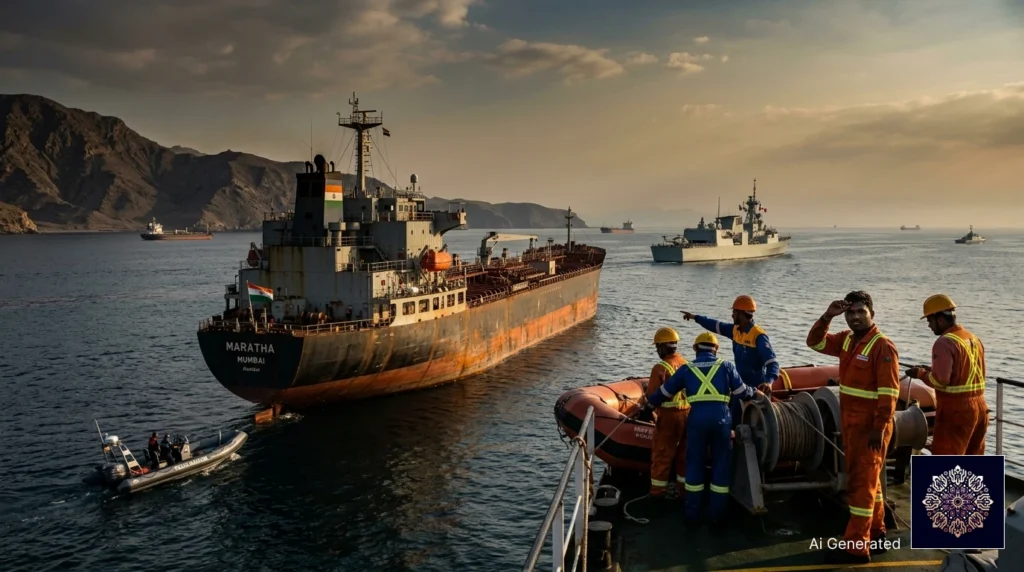
According to reports, a commercial tanker carrying Indian crew members was struck during ongoing military operations linked to tensions in the Gulf region.
The vessel was operating near the Strait of Hormuz, one of the world’s most strategically important shipping routes. During the incident, three Indian seafarers lost their lives while other crew members were rescued.
The tragedy immediately drew attention in India due to the large number of Indian citizens employed in the international maritime industry.
Why The Strait Of Hormuz Matters
The Strait of Hormuz is among the most important maritime corridors in the world.
Every day, massive quantities of oil and commercial goods move through this narrow waterway connecting the Persian Gulf to international markets.
Any disruption in this region can affect:
- Global oil prices
- International trade
- Shipping costs
- Energy security
- Financial markets
This strategic importance explains why incidents in the area quickly attract worldwide attention.
India’s Strong Diplomatic Response
Following confirmation of the deaths, India lodged a strong diplomatic protest.
External Affairs Minister S. Jaishankar raised concerns directly with senior US officials and emphasized that attacks on commercial shipping carrying civilian crew members are unacceptable.
Indian officials stressed the need to protect seafarers and ensure safe passage for commercial vessels operating in conflict-sensitive regions.
The government also called for accountability and greater efforts to prevent future incidents.
Full Timeline Of The Incident
Rising Tensions In The Region
Military tensions increased across the Gulf region as shipping routes became increasingly vulnerable.
Commercial Vessel Enters Risk Zone
The tanker carrying Indian crew members was operating near the Strait of Hormuz.
Vessel Is Struck
The ship suffered a direct attack during military operations in the area.
Rescue Operations Begin
Emergency response teams and regional authorities launched rescue operations.
Casualties Confirmed
Three Indian crew members were confirmed dead while other crew members were safely evacuated.
India Lodges Protest
The Indian government formally protested the incident and demanded stronger protection for commercial shipping.
Why This Story Is Receiving National Attention
India is one of the largest suppliers of maritime professionals worldwide.
Hundreds of thousands of Indian seafarers work on international cargo vessels, oil tankers, container ships, and commercial fleets.
Because of this:
- Maritime safety is a national concern.
- Incidents involving Indian sailors receive widespread attention.
- Families across India closely follow developments.
- The government faces pressure to ensure worker safety.
The Indian Seafarers Death Case highlights the risks many maritime workers face while supporting global trade.
Impact On Global Shipping
The incident has intensified concerns throughout the shipping industry.
Shipping companies are reassessing:
| Area | Concern |
|---|---|
| Crew Safety | Increased Risk |
| Shipping Routes | Security Threats |
| Insurance Costs | Potential Increases |
| Vessel Operations | Higher Precautions |
| Trade Flows | Possible Disruptions |
Industry experts warn that prolonged instability could increase operational costs and affect global supply chains.
Growing Risks For Seafarers
Recent months have demonstrated how dangerous maritime operations can become during geopolitical conflicts.
Seafarers often find themselves operating in regions affected by:
- Military operations
- Drone attacks
- Missile threats
- Political tensions
- Naval blockades
Despite not being directly involved in conflicts, civilian crews frequently face significant risks.
Reports indicate that thousands of seafarers have experienced disruptions, delays, and safety concerns due to ongoing tensions in the Gulf region.
India’s Maritime Workforce
India plays a critical role in global shipping.
The country supplies a large share of the world’s maritime workforce, with Indian sailors serving aboard vessels operated by companies from many different nations.
Their responsibilities include:
- Navigation
- Engineering
- Safety operations
- Cargo management
- Vessel maintenance
The loss of any crew members is therefore felt deeply across the maritime community.
What Investigators Are Examining
Authorities and maritime experts are expected to review several aspects of the incident.
Areas likely to be examined include:
- The vessel’s location.
- Communication records.
- Navigation routes.
- Military activity in the area.
- Safety procedures.
- Rescue operations.
The findings could influence future maritime security policies.
Economic Implications
The Indian Seafarers Death Case also has broader economic implications.
Any increase in instability around the Strait of Hormuz could impact:
- Oil supplies
- Fuel prices
- Shipping insurance
- Global trade
- Transportation costs
Because the route handles a significant share of global energy shipments, markets closely monitor developments in the region.
Expert Analysis
Security analysts believe this case highlights the growing challenges facing civilian shipping in conflict-prone regions.
While governments focus on broader geopolitical disputes, commercial vessels often become unintended victims of escalating tensions.
Experts argue that stronger international cooperation may be required to:
- Protect shipping lanes.
- Improve maritime monitoring.
- Enhance crew safety.
- Reduce risks to civilian vessels.
The Indian Seafarers Death Case may therefore influence future discussions on maritime security and international law.
Frequently Asked Questions
What is the Indian Seafarers Death Case?
The Indian Seafarers Death Case refers to the deaths of three Indian crew members aboard a commercial vessel operating near the Strait of Hormuz.
Why did India lodge a protest?
India protested because civilian Indian seafarers were killed during military operations involving commercial shipping.
Where did the incident occur?
The incident occurred near the Strait of Hormuz, one of the world’s most important maritime trade routes.
Why is the Strait of Hormuz important?
The waterway is a critical route for global oil exports and international trade.
How could this affect India?
The incident raises concerns about maritime safety, energy security, and the protection of Indian workers serving in international shipping.
Key Takeaway
The Indian Seafarers Death Case has become a significant national and international story because it involves the safety of Indian citizens working in one of the world’s most sensitive maritime regions. The deaths of three crew members have prompted a strong diplomatic response from India, intensified scrutiny of security conditions near the Strait of Hormuz, and raised broader questions about the protection of civilian shipping during geopolitical conflicts. As investigations continue and governments assess their next steps, the case is likely to remain an important topic in discussions surrounding maritime security, international diplomacy, and the welfare of Indian workers abroad.