India’s Semiconductor Boom Could Challenge China in Global Chip Race
Table of Contents
Key Highlights
- India is rapidly building a domestic semiconductor ecosystem.
- Government incentives are attracting global chipmakers and investors.
- Semiconductors are critical for AI, smartphones, automobiles and defense systems.
- Global companies are exploring India as an alternative manufacturing destination.
- India aims to become a major semiconductor hub over the next decade.
Story Snapshot
| Category | Details |
|---|---|
| Industry | Semiconductors |
| Country | India |
| Main Goal | Build Domestic Chip Manufacturing |
| Key Competitor | China |
| Growth Driver | Government Incentives & Investments |
Why This Story Matters
The semiconductor industry has become one of the most strategically important sectors in the global economy. From smartphones and laptops to electric vehicles, artificial intelligence systems, and military technology, modern life depends on semiconductor chips.
For decades, chip production has been concentrated in a handful of countries. However, recent supply chain disruptions and geopolitical tensions have pushed governments worldwide to rethink their dependence on a limited number of manufacturing hubs.
India’s semiconductor boom is emerging at a time when global demand for chips continues to grow. The country’s ambitions could reshape technology manufacturing and strengthen its position in the global economy.
What Is Driving India’s Semiconductor Push?
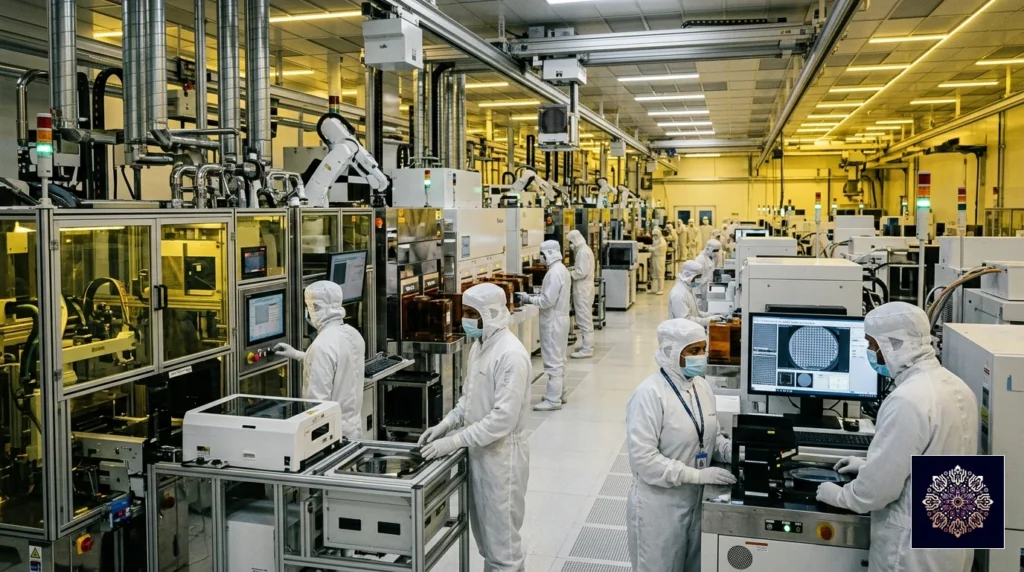
India has launched an ambitious strategy to develop a complete semiconductor ecosystem. The effort includes government incentives, infrastructure support, foreign investment attraction, and partnerships with global technology companies.
The goal is not only to manufacture chips but also to create an ecosystem that supports design, packaging, testing, research, and innovation.
Several large projects have already been announced across multiple states, signaling growing confidence in India’s long-term semiconductor ambitions.
Why Semiconductors Are So Important
Semiconductors serve as the foundation of modern electronics. Every smartphone, computer, vehicle, medical device, telecommunications network, and artificial intelligence system depends on advanced chips.
Countries that possess strong semiconductor industries often gain significant economic and strategic advantages. Control over chip production can influence supply chains, technology development, and national security.
This is why nations around the world are investing billions of dollars into semiconductor manufacturing capacity.
India vs China: A Growing Technology Competition
| Factor | India | China |
|---|---|---|
| Manufacturing Growth | Rapid Expansion | Established Ecosystem |
| Government Incentives | High | High |
| Foreign Partnerships | Increasing | Extensive |
| Market Potential | Very Large | Very Large |
China remains a major force in global manufacturing, but India is increasingly positioning itself as an attractive destination for companies seeking diversification and supply chain resilience.
As geopolitical uncertainties continue, many global firms are exploring alternative production locations, creating opportunities for India’s semiconductor sector.
Major Investments Fueling Growth
India’s semiconductor ambitions are supported by significant public and private sector investments. Global technology companies and domestic firms have announced plans to establish manufacturing facilities, assembly operations, and research centers.
Government-backed programs aim to reduce barriers to investment while encouraging innovation and job creation.
Industry experts believe these investments could generate thousands of high-skilled jobs and contribute substantially to economic growth.
By The Numbers
- Billions of dollars committed to semiconductor projects.
- Rapid growth in electronics manufacturing demand.
- Expanding domestic consumer technology market.
- Increasing global interest in supply chain diversification.
- Growing investment in AI and advanced computing infrastructure.
Challenges India Must Overcome
Despite strong momentum, India’s semiconductor journey is not without challenges. Building advanced chip manufacturing facilities requires enormous capital investment, specialized expertise, reliable infrastructure, and long-term policy support.
Competition from established manufacturing leaders remains intense. Countries with decades of experience continue to dominate many areas of semiconductor production.
India must also invest in workforce development, research capabilities, and supply chain networks to support sustained growth.
How Semiconductor Growth Could Benefit India
- Higher-value manufacturing jobs.
- Greater technology self-reliance.
- Increased foreign direct investment.
- Stronger export potential.
- Enhanced innovation ecosystem.
- Improved supply chain security.
The economic impact could extend far beyond the technology sector, supporting growth across manufacturing, education, logistics, and research industries.
Timeline: India’s Semiconductor Journey
- 2021 – Increased focus on semiconductor self-reliance.
- 2022 – Major policy initiatives announced.
- 2023 – Global companies begin exploring investments.
- 2024 – Semiconductor projects gain momentum.
- 2025 – New manufacturing and packaging facilities announced.
- 2026 – India emerges as a rising semiconductor destination.
Expert Perspective
Industry analysts believe India’s semiconductor strategy is not about replacing China overnight. Instead, the objective is to establish India as a complementary global manufacturing hub capable of serving growing demand.
Success will depend on consistent policy execution, infrastructure development, and continued investment in talent and innovation.
What Happens Next?
Over the coming years, the semiconductor industry will closely monitor India’s progress. New fabrication plants, international partnerships, and workforce development initiatives will determine whether the country can achieve its ambitious goals.
If current momentum continues, India could become one of the most important emerging players in the global semiconductor ecosystem.
Frequently Asked Questions
Why are semiconductors important?
Semiconductors power electronic devices, vehicles, AI systems, telecommunications networks, and industrial technologies.
Why is India investing in semiconductors?
India aims to strengthen technology manufacturing, reduce dependence on imports, create jobs, and boost economic growth.
Can India compete with China in chip manufacturing?
India is still developing its ecosystem but has significant growth potential supported by government initiatives and global partnerships.
Which industries benefit from semiconductors?
Consumer electronics, automotive, healthcare, defense, telecommunications, AI, and industrial manufacturing all rely on semiconductor technology.
What is India’s long-term semiconductor goal?
India aims to become a globally competitive semiconductor manufacturing and innovation hub.
Key Takeaway
India’s semiconductor boom represents more than an industrial expansion—it reflects a strategic effort to secure a stronger role in the global technology economy. With rising investments, policy support, and growing international interest, the country is positioning itself as a serious contender in the future of chip manufacturing. While challenges remain, India’s progress could reshape global supply chains and strengthen its standing in the technology race.