YouTube bans AI-generated movie trailers
Table of Contents
- Background: Rise of AI-Generated Movie Trailers
- YouTube Bans Screen Culture and KH Studio
- Why YouTube Took Action
- Misleading AI Content and Policy Violations
- What YouTube’s AI Disclosure Rules Say
- Creators’ Response and Repeat Offences
- Impact on AI Creators and Film Fans
- Conclusion: A Warning for AI Content Creators
Background: Rise of AI-Generated Movie Trailers:YouTube bans AI-generated movie trailers
The explosion of generative artificial intelligence has dramatically reshaped how online video content is produced and consumed. Over the past two years, AI-powered tools have made it easier than ever to generate realistic visuals, recreate actors, and stitch together scenes that look almost indistinguishable from official studio footage.
This technological leap has given rise to a new genre on YouTube — AI-generated movie trailers. These videos often imagine sequels, alternate castings, or entirely fictional films using synthetic visuals blended with real clips from movies, TV shows, and promotional material.
While some creators clearly label their work as fan-made or parody, others have pushed the boundaries by presenting these videos in ways that closely resemble official trailers. This trend has increasingly drawn criticism from studios, audiences, and platforms alike, especially when viewers are misled into believing that a fake trailer is real.
YouTube Bans Screen Culture and KH Studio
YouTube has now taken decisive action against this practice. The platform has permanently banned two popular channels — Screen Culture and KH Studio — for repeatedly posting misleading AI-generated movie trailers.
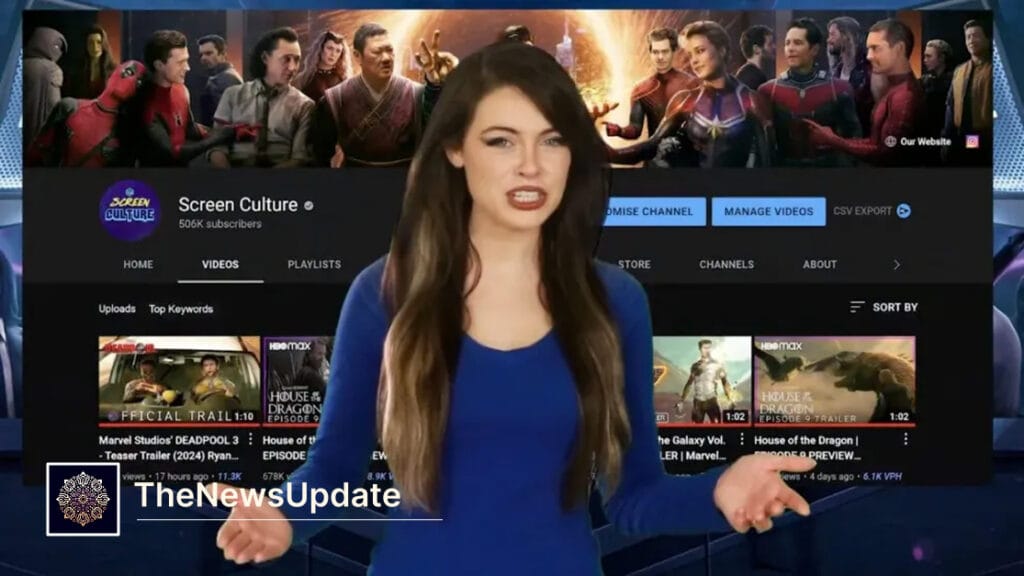
Screen Culture, which was based in India, and KH Studio, operated from Georgia, together had amassed more than two million subscribers and over one billion total views. Their videos regularly surfaced in YouTube search results and recommendations, often mimicking the visual language of official Hollywood trailers.
The ban was first reported by Deadline and later confirmed when both channel pages stopped appearing in YouTube search results. Visitors attempting to access the channels are now greeted with a blank page stating that the content is no longer available.
Why YouTube Took Action
According to reports, YouTube had already suspended advertisements on these channels earlier in the year. That decision followed an internal review which found violations related to misleading and deceptive content, as well as failures to properly disclose the use of synthetic media.
Despite the ad suspension, the channels were later reinstated into the YouTube Partner Program after making what YouTube described as “necessary corrections.” However, the reprieve was short-lived.
Once monetisation resumed, both channels allegedly reverted to publishing videos that violated YouTube’s policies. This pattern of repeated non-compliance ultimately led to their permanent termination.
A YouTube spokesperson told The Verge that the channels had breached the platform’s spam and misleading metadata policies after being reinstated, prompting YouTube to take stronger enforcement action.
यह भी पढ़े:
 Samsung Bixby Perplexity AI Integration: 7 Key Signs Samsung Is Reinventing Its Voice Assistant
Misleading AI Content and Policy Violations
At the heart of the controversy lies YouTube’s policy on misleading and deceptive practices. The platform explicitly prohibits content that uses:
- Clickbait thumbnails or titles designed to deceive viewers
- False or misleading metadata
- Manipulated or synthetic visuals presented as real
Reports suggest that Screen Culture and KH Studio frequently combined official footage with AI-generated imagery to create trailers that appeared authentic. Many viewers reportedly believed these videos were official studio releases, especially when the videos were promoted without consistent disclosure.
Although the channels briefly added labels such as “fan trailer” or “parody” after their initial ad suspension, these disclosures were later removed, according to Deadline. This removal played a key role in YouTube classifying the violations as repeat offences.

What YouTube’s AI Disclosure Rules Say
YouTube has been steadily tightening its policies around synthetic and AI-generated content. The platform now requires creators to clearly disclose when content has been meaningfully altered or generated using AI tools, especially if it appears realistic.
This requirement is part of YouTube’s broader effort to maintain trust between creators and audiences, particularly as AI-generated deepfakes become more convincing. Failure to provide such disclosures can result in demonetisation, content removal, or permanent bans.
The enforcement action against Screen Culture and KH Studio sends a strong signal that YouTube intends to apply these rules rigorously, even to large channels with millions of subscribers.
यह भी पढ़े:
 New York Times Reporter, Authors Sue Google, OpenAI, Meta Over AI-Based Copyright Infringement
Creators’ Response and Repeat Offences
Screen Culture founder Nikhil P. Chaudhari told Deadline that he had employed more than 10 editors to produce the AI-generated trailers. According to the report, the channel’s strategy involved posting trailers early and frequently to exploit YouTube’s recommendation algorithm.
By rapidly iterating on trending movie titles and anticipated sequels, the channel was able to capture massive viewership before official trailers were released. While this approach proved effective in terms of traffic, it ultimately crossed YouTube’s policy boundaries.
YouTube’s decision underscores that scale and popularity do not grant immunity from enforcement, particularly when creators repeatedly ignore platform rules after warnings.
Impact on AI Creators and Film Fans
The ban has sparked debate within the online creator community. Many AI artists argue that generative tools are a legitimate form of creative expression and should not be restricted outright.
However, industry observers point out that transparency is the key issue. Clearly labelling content as fan-made, parody, or AI-generated allows viewers to make informed decisions and prevents confusion.

For film fans, the crackdown could reduce the flood of fake trailers that often clutter search results and social feeds. At the same time, it raises important questions about how platforms should balance creativity with accountability in the age of generative AI.
यह भी पढ़े:
 Indie Band Claims AI Stole Their Billie Eilish Cover, Raising Fresh Fears Over Music Copyright
Conclusion: A Warning for AI Content Creators
YouTube’s ban on Screen Culture and KH Studio marks a turning point in how the platform handles misleading AI-generated content. By permanently removing two high-profile channels, YouTube has made it clear that undisclosed synthetic media and deceptive presentation will not be tolerated.
As generative AI tools become more powerful and accessible, creators face a growing responsibility to use them ethically. Clear disclosures, honest metadata, and respect for platform guidelines will be essential for anyone looking to build a sustainable presence on YouTube.
For now, the message from YouTube is unambiguous: innovation is welcome, but misleading viewers — even with cutting-edge AI — comes at a cost.

Related Reads
By The Morning news informer— Updated December 19, 2025