Venezuela accuses US of extortion has sharply accused the United States of engaging in what it described as the “greatest extortion” in the country’s modern history, following Washington’s seizure of Venezuelan oil tankers in the Caribbean Sea. The allegations were raised during an emergency meeting of the United Nations Security Council in New York, where Caracas condemned the US action as illegal, provocative, and a violation of international law.
The dispute marks a dramatic escalation in already strained relations between the two nations and has drawn reactions from global powers including Russia and China. At the heart of the confrontation is the US seizure of two Venezuelan oil tankers earlier this month, with American authorities indicating they are pursuing a third vessel as part of a broader crackdown on sanctioned oil trade.
Emergency UN Security Council Meeting Highlights Global Concern:Venezuela accuses US of extortion
The emergency session of the UN Security Council was convened after Venezuela formally requested international intervention, arguing that the United States was acting beyond its legal authority. Venezuelan Ambassador to the UN Samuel Moncada delivered a strongly worded address, accusing Washington of “pillaging, looting, and recolonisation” of Venezuela under the guise of sanctions enforcement.
“We are in the presence of a power that acts outside international law,” Moncada told the council. “The government of the United States does not have jurisdiction in the Caribbean, yet it is seizing sovereign assets and threatening our economic survival.”
According to Venezuela, the seizure of oil tankers amounts to piracy, as the vessels were operating in international waters and were not engaged in any illegal activity under maritime law. Caracas maintains that US sanctions do not grant Washington the authority to confiscate foreign-owned vessels or their cargo.
US Defends Seizure as Part of Sanctions Enforcement
The United States, however, has defended its actions, arguing that Venezuela’s oil exports help sustain what it calls an illegitimate regime led by President Nicolas Maduro. US Ambassador to the UN Michael Waltz stated that Washington does not recognise Maduro as Venezuela’s lawful leader and accused his government of using oil revenues to fund criminal networks.
“Maduro’s ability to sell Venezuela’s oil enables his fraudulent claims to power and his narco-terrorist activities,” Waltz told the Security Council. He added that the US would continue to take “decisive action” to prevent sanctioned oil from entering global markets.
The Biden administration has not reversed the hardline stance first adopted under former President Donald Trump, who accused Maduro of leading a drugs cartel and ordered a naval blockade of sanctioned oil tankers entering and leaving Venezuela on December 16.
Naval Blockade and Military Build-Up Raise Alarm
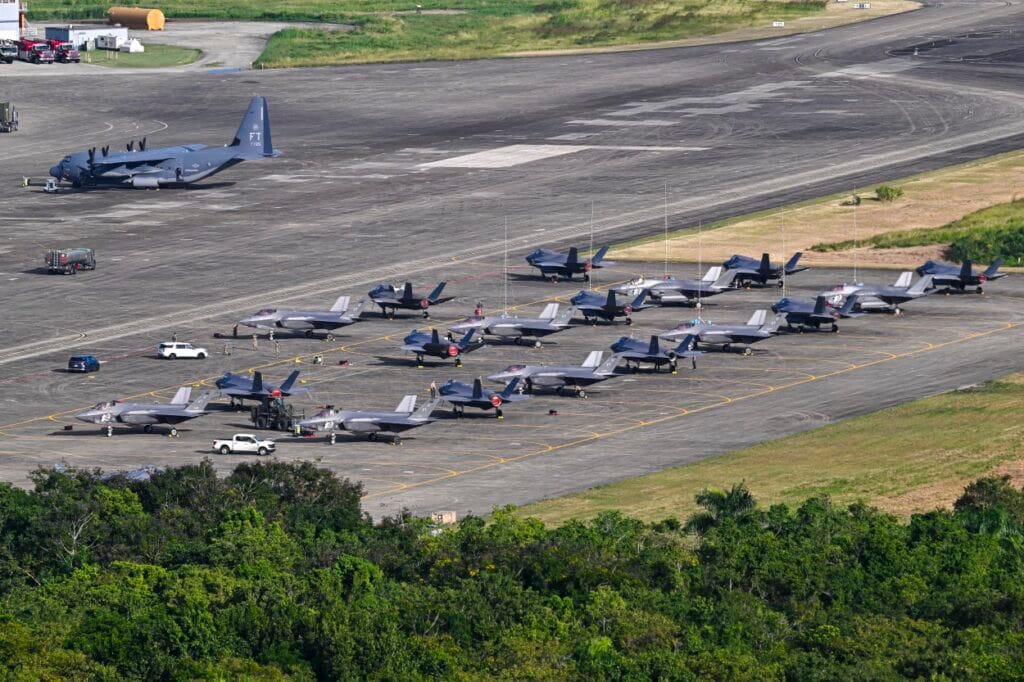
The tanker seizures are part of a wider US military operation in the Caribbean and Pacific regions. Washington has significantly expanded its military presence, deploying approximately 15,000 troops along with aircraft carriers, warships, and surveillance aircraft. According to US officials, the deployment is aimed at curbing the flow of fentanyl and cocaine into the United States.
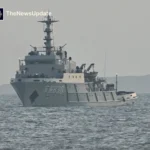
This represents the largest US military presence in the region since the invasion of Panama in 1989. The US has also acknowledged carrying out strikes on what it claims were Venezuelan drug-smuggling boats, targeting more than 20 vessels and reportedly killing at least 100 people.
Human rights experts and international law specialists have raised serious concerns about these operations, warning that attacks on civilian vessels could violate the laws governing armed conflict and maritime navigation.
Venezuela Calls US Actions ‘Worse Than Piracy’
At the UN meeting, Ambassador Moncada argued that the US seizures were not only illegal but set a dangerous precedent. “We are talking about the systematic theft of national resources,” he said, adding that such actions undermine the principles of sovereignty and non-interference enshrined in the UN Charter.

Moncada questioned the justification offered by Washington, asking, “What does Venezuela’s oil industry have to do with drugs?” He insisted that the narrative linking oil exports to narcotics trafficking was politically motivated and unsupported by evidence.
Venezuela has also warned that continued US actions could destabilise the wider Latin American region, disrupt global energy markets, and embolden other powerful nations to seize assets under unilateral sanctions regimes.
Russia and China Back Venezuela, Accuse US of Bullying
Russia and China, both permanent members of the UN Security Council, strongly criticised the United States during the emergency session. Russian Ambassador Vassily Nebenzia accused Washington of “illegally destroying civilian vessels” and warned that the seizure of Venezuelan oil tankers could serve as a template for future acts of force against other Latin American countries.

“Today it is Venezuela, tomorrow it could be any country that does not align with US geopolitical interests,” Nebenzia said. He argued that unilateral sanctions and military enforcement undermine multilateral diplomacy and increase the risk of conflict.
China’s envoy to the UN, Sun Lei, also urged restraint, calling on the United States to “immediately halt relevant actions and avoid further escalation of tensions.” Beijing emphasised the need for dialogue and respect for international law, warning that the situation could spiral into a broader regional crisis.
Maduro Claims ‘Overwhelming Support’ at UN
Speaking at a trade fair in Caracas following the UN meeting, President Nicolas Maduro claimed that Venezuela had received “overwhelming support” from the international community. He accused the United States of economic warfare and vowed that Venezuela would not surrender its sovereignty or natural resources.

Maduro framed the tanker seizures as part of a long-standing US campaign to undermine Venezuela’s economy and force political change. He reiterated his government’s position that sanctions, blockades, and asset seizures amount to collective punishment of the Venezuelan people.
Despite years of sanctions, Venezuela has continued to export oil through alternative channels, often relying on intermediaries and friendly nations. The US crackdown appears aimed at closing those loopholes and tightening economic pressure on Caracas.
Legal and Economic Implications of Tanker Seizures
The seizure of oil tankers raises complex legal questions about the reach of unilateral sanctions and the rights of states under international maritime law. Legal experts note that while countries can enforce sanctions within their jurisdiction, seizing foreign vessels in international waters remains highly contentious.

Critics argue that such actions blur the line between sanctions enforcement and outright piracy, potentially exposing the US to legal challenges in international courts. Supporters counter that extraordinary measures are justified to combat drug trafficking and prevent sanctioned regimes from accessing global markets.
Economically, the dispute could further strain global oil supplies, particularly at a time of geopolitical uncertainty. Any prolonged disruption to Venezuelan exports may have ripple effects on energy prices, especially in regions already facing supply constraints.
What Comes Next for US–Venezuela Relations?
The confrontation over oil tanker seizures signals a new phase in US–Venezuela relations, marked by heightened military involvement and diminishing diplomatic engagement. While Washington insists its actions are lawful and necessary, Caracas views them as acts of aggression that threaten regional stability.
Diplomats warn that continued escalation could harden positions on both sides, making negotiations even more difficult. Some observers believe that mediation by neutral countries or multilateral institutions may be the only way to de-escalate tensions.
For now, Venezuela has vowed to continue raising the issue at international forums, while the United States shows no sign of backing down. As global powers line up on opposing sides, the seizure of oil tankers risks becoming a flashpoint in a broader struggle over sanctions, sovereignty, and the future of international order.
Conclusion
Venezuela’s accusation that the United States is engaging in “extortion” over oil tanker seizures underscores the deepening rift between the two nations. With military deployments increasing, diplomatic rhetoric intensifying, and global powers weighing in, the situation has implications far beyond the Caribbean.

Whether the dispute is resolved through dialogue or further confrontation will depend on the willingness of all parties to respect international law and seek multilateral solutions. Until then, the seizure of Venezuelan oil tankers remains a potent symbol of the growing tension between sanctions enforcement and sovereign rights in an increasingly polarised world.