Unnao rape survivor Delhi protest eviction
Table of Contents
- Background of the Unnao Rape Case
- Delhi Protest and Forced Eviction at India Gate
- OP Rajbhar’s Reaction and Political Fallout
- Court Orders, Legal Conditions, and Survivor’s Fear
- Public Response, Women’s Safety Debate, and What Lies Ahead
Background of the Unnao Rape Case
The Unnao rape case remains one of India’s most disturbing and closely followed sexual violence cases, symbolising the long and painful struggle survivors face while seeking justice. The survivor was a minor when she was allegedly kidnapped and raped in 2017 by Kuldeep Singh Sengar, then a powerful BJP MLA from Uttar Pradesh.
For years, the case exposed serious lapses in law enforcement, political interference, and threats faced by the victim’s family. In 2019, a trial court sentenced Sengar to life imprisonment, a verdict that was widely seen as a rare moment of accountability in cases involving politically influential accused persons.
यह भी पढ़े:
 Osman Hadi Killers Fled to India via Meghalaya Border: Dhaka Police Reveal Shocking Escape Route
However, despite the conviction, the survivor’s ordeal never truly ended. Her father died in custody under controversial circumstances, several witnesses faced intimidation, and her family remained under constant fear.
Delhi Protest and Forced Eviction at India Gate
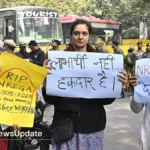
On Tuesday evening, the Unnao rape survivor and her mother travelled to New Delhi to protest peacefully at the India Gate lawns. Their demand was against the suspension of sentence granted to convicted former BJP MLA Kuldeep Singh Sengar.
The protest, however, ended abruptly when authorities forcibly removed the survivor and her mother from the site. Visuals of the eviction triggered public anger, with many questioning why a rape survivor was treated as a security issue.
यह भी पढ़े:
 Bulldozer Raj Karnataka Demolitions: Congress Govt Faces Backlash After 400 Muslims Left Homeless
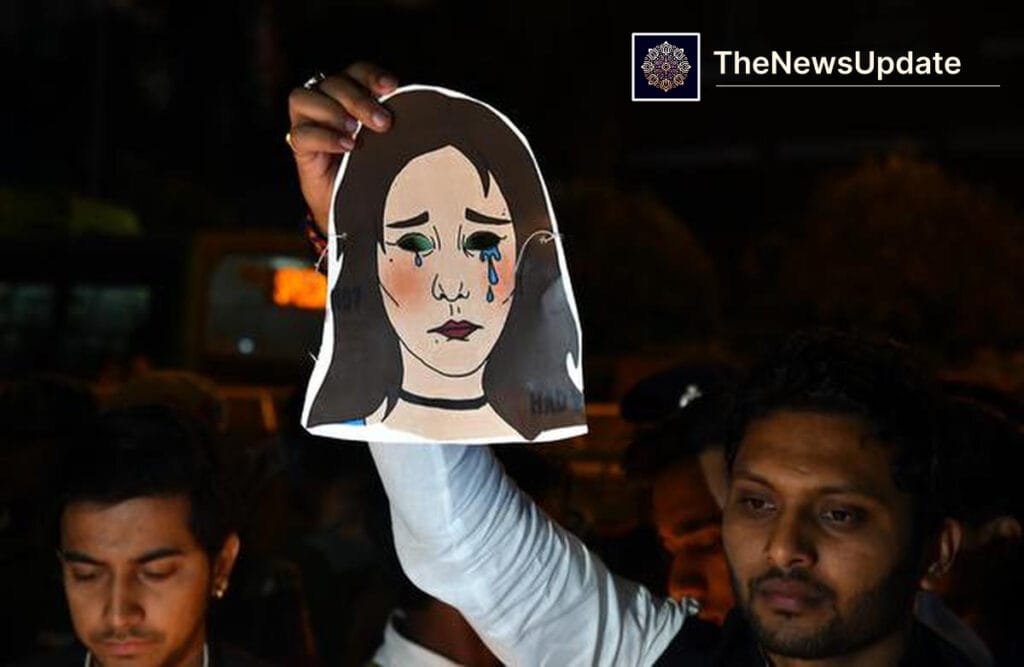
Speaking to India Today TV later, the survivor revealed the emotional toll of the incident. “I wanted to kill myself then and there, but I stopped after thinking about my family,” she said.
OP Rajbhar’s Reaction and Political Fallout
A day after the eviction, Uttar Pradesh minister OP Rajbhar reacted to the incident in a manner that sparked fresh outrage. When asked about the survivor being removed from India Gate, he remarked, “But her home is in Unnao…”, before laughing.
The comment was widely criticised by opposition leaders and women’s rights activists, who called it insensitive and humiliating. Many argued that such reactions from those in power discourage survivors from speaking out.

The political controversy escalated further after the survivor visited senior Congress leader Sonia Gandhi’s residence in Delhi and was expected to meet Rahul Gandhi as well.
Court Orders, Legal Conditions, and Survivor’s Fear
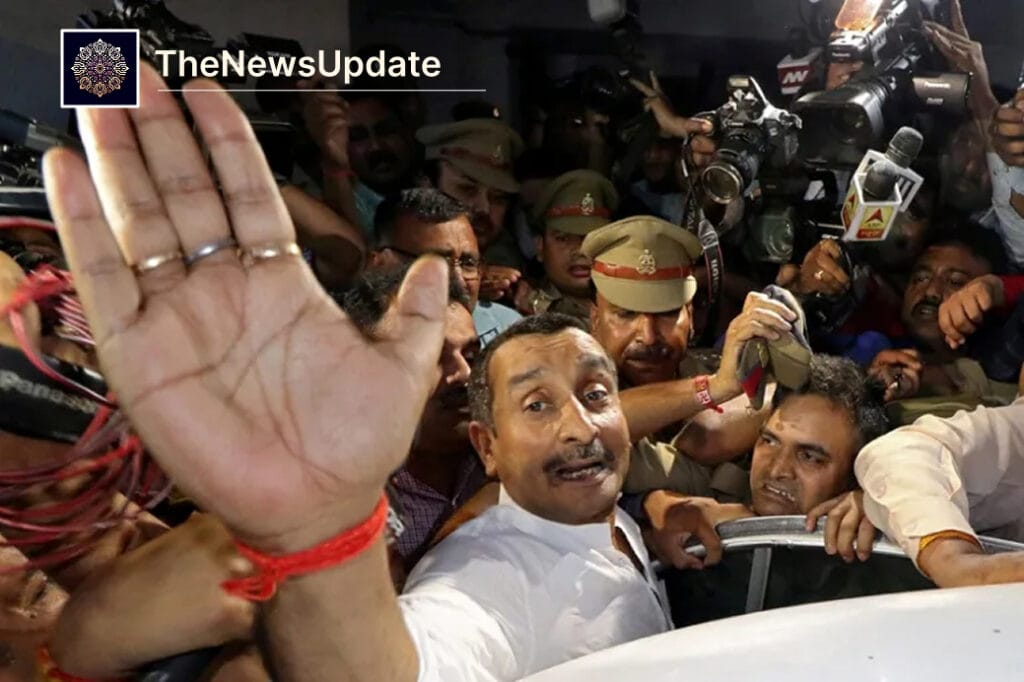
The Delhi High Court on Tuesday suspended the sentence of Kuldeep Singh Sengar in the 2017 rape case and granted him bail pending the outcome of his appeal against the 2019 conviction.
The court directed that Sengar must not come within a five-kilometre radius of the survivor’s residence and must not threaten or influence the survivor or her mother. Any violation of these conditions would result in automatic cancellation of bail.

Despite these safeguards, the survivor expressed deep fear, stating that security for her family members, lawyers, and witnesses had already been withdrawn.
Calling the court’s decision “kaal” (death) for her family, she said, “If the convict gets bail in a case like this, how will the country’s daughters remain safe?”
Public Response, Women’s Safety Debate, and What Lies Ahead
The Unnao rape survivor Delhi protest eviction has reignited national debate on survivor safety, judicial sensitivity, and political accountability. Social media platforms witnessed widespread condemnation of both the eviction and the minister’s remarks.
यह भी पढ़े:
 Canada Hospital Killed Indian-Origin Man: Wife Alleges Medical Negligence After 8-Hour Wait
Women’s organisations and civil society groups have demanded stronger survivor protection laws and greater accountability for public officials.
The survivor has announced plans to approach the Supreme Court against the suspension of Sengar’s sentence, marking the next legal step in her long fight for justice.
- Questions over survivor safety remain unresolved
- Political conduct is under renewed scrutiny
- The Supreme Court’s response will be closely watched
Related Reads
By The Morning News Informer — Updated December 24, 2025