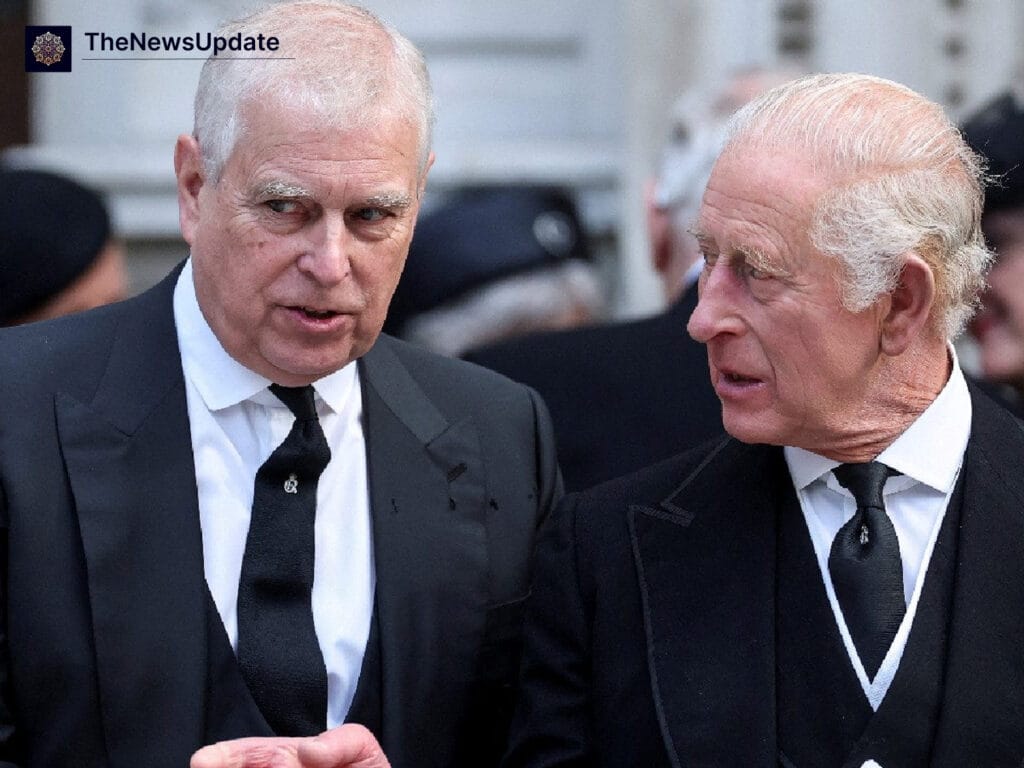
By The Morning News Informer — Updated December 10, 2025
Table of Contents
- Quick Summary
- Background: Why Elections Were Suspended
- Zelensky’s Proposal: Conditions and Timeline
- Practical Obstacles to Wartime Voting
- Domestic Political Reactions
- International Response and Diplomacy
- What’s Next: Roadmap and Scenarios
- Conclusion
- Related Reads
Quick Summary
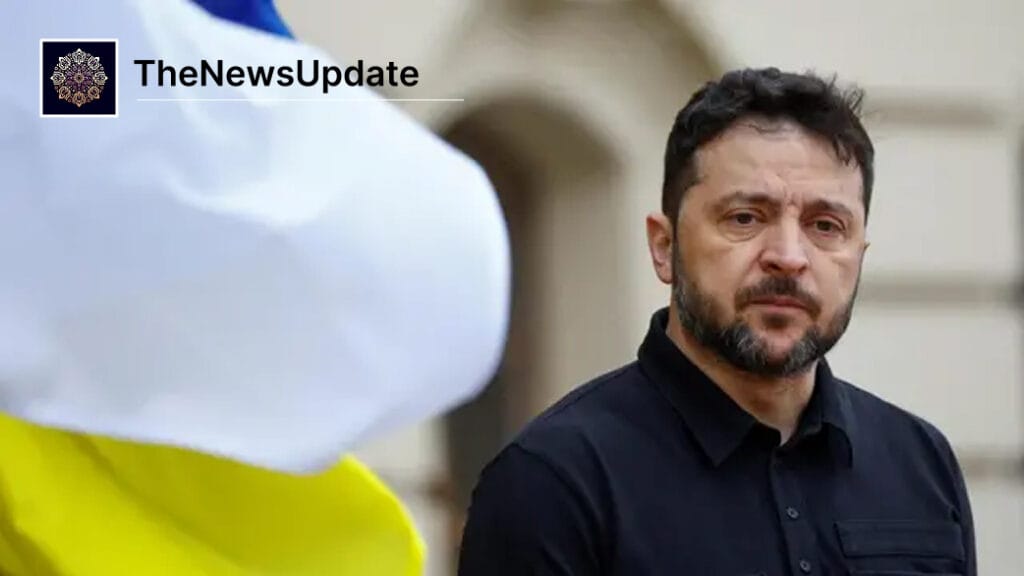
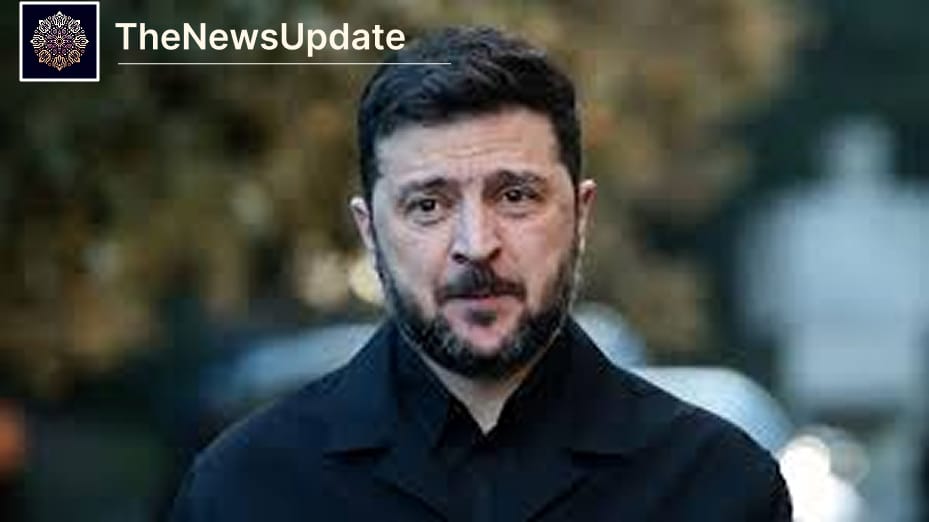
President Volodymyr Zelensky said Ukraine is ready for elections if security guarantees are provided by the United States and European partners Ukraine Ready for Elections. He suggested a possible window of 60–90 days once guarantees are in place, emphasising that voting must be safe, inclusive, and legally supported. The statement follows remarks from U.S. President Donald Trump claiming Kyiv is “using war” to avoid polls, intensifying debates on legitimacy and wartime democracy.
Background: Why Elections Were Suspended
Ukraine last voted in 2019, when Zelensky won a landslide victory. His presidential term ended in May 2024, but the country has remained under martial law since Russia’s 2022 invasion. Under these conditions, elections were suspended legally to focus on national defense. Critics argue this affects democratic accountability, while supporters cite global precedents of pausing elections during existential conflicts.
Zelensky’s Proposal: Conditions and Timeline
Zelensky has requested lawmakers prepare proposals to legally enable elections under wartime conditions if international partners offer security guarantees. He outlined a potential 60–90 day timeframe once such guarantees are in place. Zelensky stressed that any election must include soldiers, displaced citizens, and those in liberated areas. He also dismissed claims he is “clinging to power,” calling them unfounded Ukraine Ready for Elections.
Practical Obstacles to Wartime Voting
Conducting elections during active conflict presents major challenges:
- Martial law limitations restrict campaigning and public gatherings.
- Millions of troops are deployed, requiring secure mobile polling or leave arrangements.
- Millions displaced or abroad complicate voter registration and access.
- Occupied territories in Donetsk and Luhansk cannot safely participate.
- Polling station security would require heavy international support.
Any vote excluding soldiers, refugees, or citizens of occupied regions risks being challenged as unrepresentative.
Domestic Political Reactions
Opposition MPs are divided: some warn wartime elections could be dangerous and divisive, while others suspect Zelensky may benefit from early polls. Surveys show the public largely opposes elections until a ceasefire or complete settlement is reached. Despite criticism, Zelensky remains one of the most popular political figures in Ukraine.
International Response and Diplomacy
Zelensky’s call shifts responsibility toward Western partners. Trump’s recent comments questioning Ukraine’s democratic process heightened scrutiny. Russia echoed those remarks, framing them as validating its narrative on Ukrainian legitimacy. European leaders have urged caution, stressing that wartime elections pose high security risks.
Security guarantees could take several forms — partner-led protection for polling stations, international monitoring missions, or special voting systems for refugees and soldiers. Each scenario comes with political and operational challenges.
What’s Next: Roadmap and Scenarios
If elections proceed, a likely roadmap could include:
- Parliamentary amendments enabling voting under martial law.
- Security arrangements involving U.S. and EU partners.
- Diaspora voting systems supported by foreign governments.
- International monitoring by OSCE, UN, or similar bodies.
- Contingency plans for disruptions and disputes.
If guarantees are not provided or domestic consensus stays against wartime voting, elections will remain postponed until a ceasefire or stability framework is secured.

“In many ways, on the subject of Nato membership, on the subject of territories, on the subjects of how Ukraine is losing land, it is in tune with our understanding,” Kremlin spokesman Dmitry Peskov said.
The Ukrainian president is on a diplomatic tour of Europe following intensive talks between US and Ukrainian negotiators over the weekend which failed to produce a deal to which Kyiv could agree.
He has pressed European and Nato leaders to help deter the US from backing a deal that Kyiv fears would leave it exposed to future attacks and has ruled out surrendering land.
Conclusion
Zelensky’s declaration that Ukraine is ready for elections reframes the debate from politics to logistics. Whether elections can realistically occur depends on extensive legal changes, military protection for voters, and strong international commitments. With high risks and limited feasibility under current conditions, the path to a credible wartime vote remains uncertain.