Table of Contents
- Background: Trump’s DR Congo Peace Deal
- M23 Rebels Seize Uvira
- Why Uvira Matters Strategically
- Rwanda, Burundi and Regional Fallout
- US and International Reaction
- How the M23 Gained the Upper Hand
- Is the Peace Deal Salvageable?
- What Options Remain for DR Congo?
- Conclusion: A Peace Process in Peril
Background: Trump’s DR Congo Peace Deal
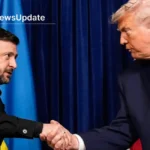
The Trump peace deal DR Congo was hailed just days ago as a landmark moment for Africa’s Great Lakes region. Signed in Washington by Democratic Republic of Congo President Félix Tshisekedi and Rwandan President Paul Kagame, the agreement was celebrated by Donald Trump as “historic” and a “great day for Africa and the world”.
The deal aimed to ease long-running tensions between DR Congo and Rwanda, curb rebel activity in eastern Congo, and create conditions for regional economic cooperation. For Washington, it was also a strategic move, opening the door for increased American investment in DR Congo’s vast mineral wealth.
But optimism quickly gave way to alarm as fresh fighting erupted, exposing the fragility of the accord.
M23 Rebels Seize Uvira
The Trump DR Congo peace deal unravelled after the M23 rebel group announced it had “fully liberated” the city of Uvira in South Kivu province. The offensive came just days after Tshisekedi and Kagame travelled to Washington to ratify the agreement.
The United States and European powers accuse Rwanda of backing the M23, claims supported by previous UN expert reports that said Kigali had “de facto control” over the rebel group’s operations. Rwanda denies the allegations, though its involvement in the Washington talks was widely seen as an acknowledgment of its influence.
The rebels were not signatories to Trump’s deal and have instead been engaged in a parallel peace process mediated by Qatar. Their advance has now thrown both tracks into disarray.
Why Uvira Matters Strategically
The fall of Uvira is a major blow to DR Congo’s military position in the east. Analysts describe the city as the government’s last major stronghold and logistical hub in South Kivu.
Located just 27km from Burundi’s capital, Bujumbura, on the shores of Lake Tanganyika, Uvira serves as a critical gateway for Burundian troops supporting Congolese forces.
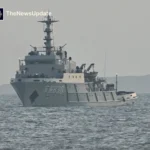
According to security analyst Bram Verelst, the capture of Uvira effectively cuts off Burundi’s supply routes into eastern DR Congo. This development is already forcing Burundian troops to withdraw, though it remains unclear whether all contingents will pull back.
The M23 is now expected to establish a parallel administration in the city, using its territorial gains as leverage in any future negotiations.
Rwanda, Burundi and Regional Fallout
The Trump DR Congo peace deal has also exposed deep regional fault lines. Burundi, a long-time ally of DR Congo and rival of Rwanda, fears that an entrenched M23 presence in South Kivu could embolden Burundian rebel groups.

Both Rwanda and Burundi accuse each other of backing insurgent movements, and both countries share a history of ethnic violence involving Hutu and Tutsi communities.
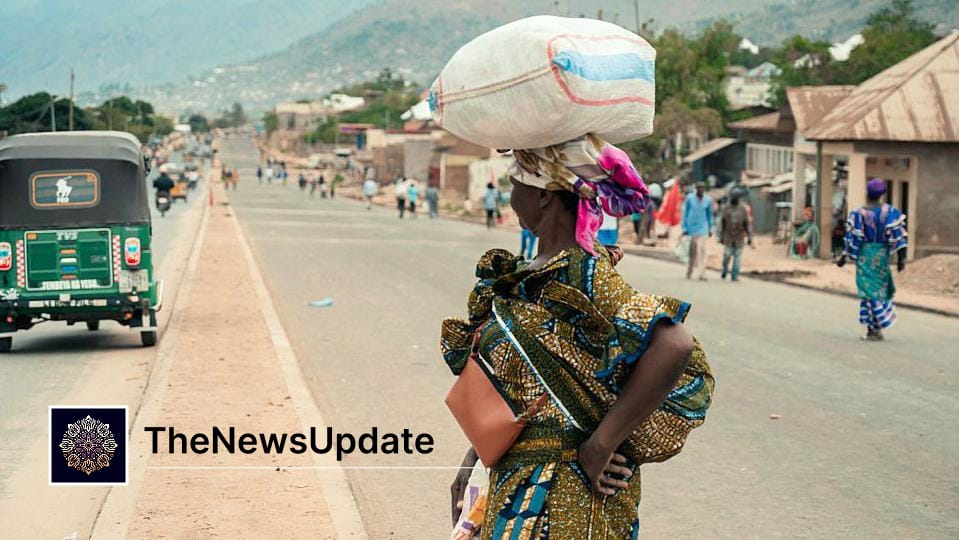
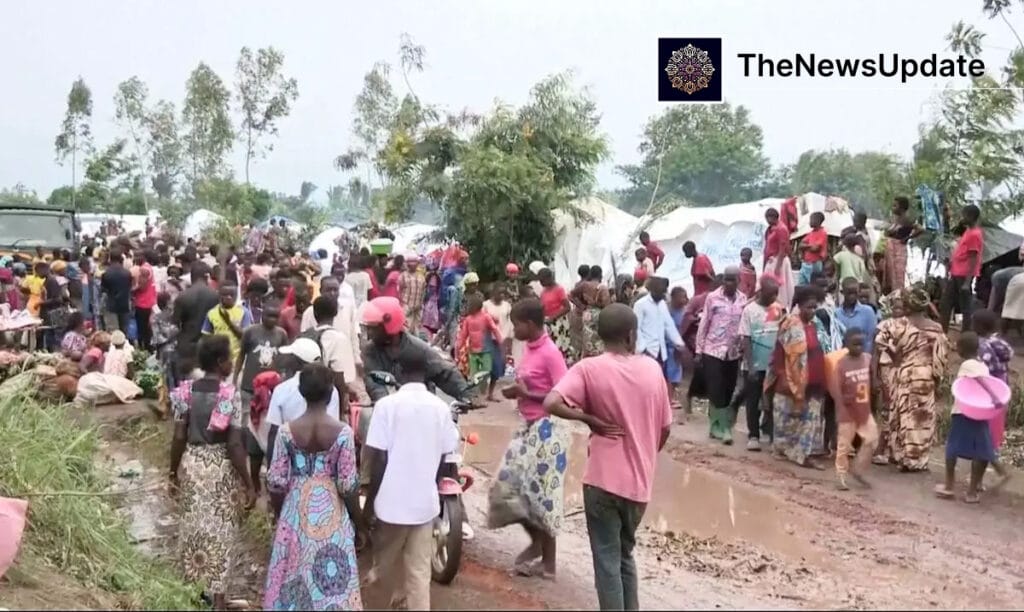
Burundi has closed its border with DR Congo but continues to allow refugees to cross after security checks. Aid agencies say around 50,000 people have fled into Burundi in just one week.
The economic impact is also significant. Burundi, already struggling with fuel shortages and foreign currency constraints, relies heavily on eastern DR Congo for trade.
US and International Reaction
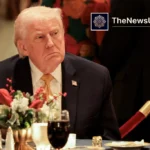
The United States has placed the blame for the collapse of the Trump DR Congo peace deal squarely on Rwanda. US Secretary of State Marco Rubio said Rwanda’s actions were “a clear violation” of the agreement and warned that Washington would take steps to ensure commitments to President Trump were honoured.
At the United Nations, US ambassador Mike Waltz accused Rwanda of leading the region toward war rather than peace. A joint statement from the US, the European Union, and eight European governments called on both the M23 and the Rwanda Defence Force to halt offensive operations and withdraw from eastern DR Congo.
Rwanda’s foreign ministry has rejected the accusations, claiming ceasefire violations cannot be attributed to Kigali and accusing DR Congo and Burundi of bombing villages near its border.

How the M23 Gained the Upper Hand
The M23’s capture of Uvira follows a series of rapid advances across eastern DR Congo. Earlier this year, the group seized Goma, the capital of North Kivu, forcing South African peacekeeping troops to withdraw.
It then moved south to capture Bukavu, the capital of South Kivu, before breaking through Congolese, militia, and Burundian defence lines around Uvira.
Experts estimate the M23 has more than 10,000 fighters, bolstered by disciplined tactics and advanced drone warfare. Prof Jason Stearns noted that Rwandan military discipline, rather than sheer numbers, has been decisive in recent battles.

Is the Peace Deal Salvageable?
Many analysts believe the Trump DR Congo peace deal is now on a deeply troubled path. The agreement depended on DR Congo disarming the FDLR militia, a group linked to the 1994 Rwandan genocide.
However, with Congolese forces under pressure and Rwandan troops allegedly active in the east, such an operation appears unlikely.
The deal also envisioned economic cooperation on mining, hydroelectric power, and infrastructure — incentives meant to stabilise the region and attract US investment. Analysts say these plans are unrealistic while fighting continues.
The parallel Qatar-led talks between the M23 and DR Congo are also believed to be on hold.
What Options Remain for DR Congo?
President Tshisekedi faces mounting pressure at home. Years of promises to end the eastern conflict have gone unfulfilled, and military setbacks have strained relations with senior army figures.
Analysts say Tshisekedi is now relying heavily on US pressure to force Rwanda to withdraw support for the M23. Without decisive international action, DR Congo’s army is unlikely to regain lost territory.

The future of the conflict now rests largely with external peace brokers — particularly the United States and Qatar — and their willingness to expend political capital to enforce peace.
Conclusion: A Peace Process in Peril
The Trump DR Congo peace deal was meant to mark a turning point in one of Africa’s longest-running conflicts. Instead, the seizure of Uvira has laid bare the deep mistrust, competing interests, and unresolved grievances that continue to destabilise eastern Congo.
As refugees flee, regional tensions rise, and diplomatic efforts stall, the promise of peace appears more distant than ever. Whether international mediators can rescue the deal will determine not just the fate of DR Congo, but the stability of the entire Great Lakes region.
Related Reads
By The Morning News Informer— Updated December 2025