Table of Contents
- Background: The Emerging Idea of a Core-5 Bloc
- Inside Trump’s Core-5 Alliance with India
- Why These 5 Countries? Strategic Logic & Global Impact
- Reactions, Analysis & Global Power Implications
- India’s Rising Role & Warming US-India Ties
- Is Europe Being Sidelined?
- Conclusion: What Comes Next for the Core-5 Vision?
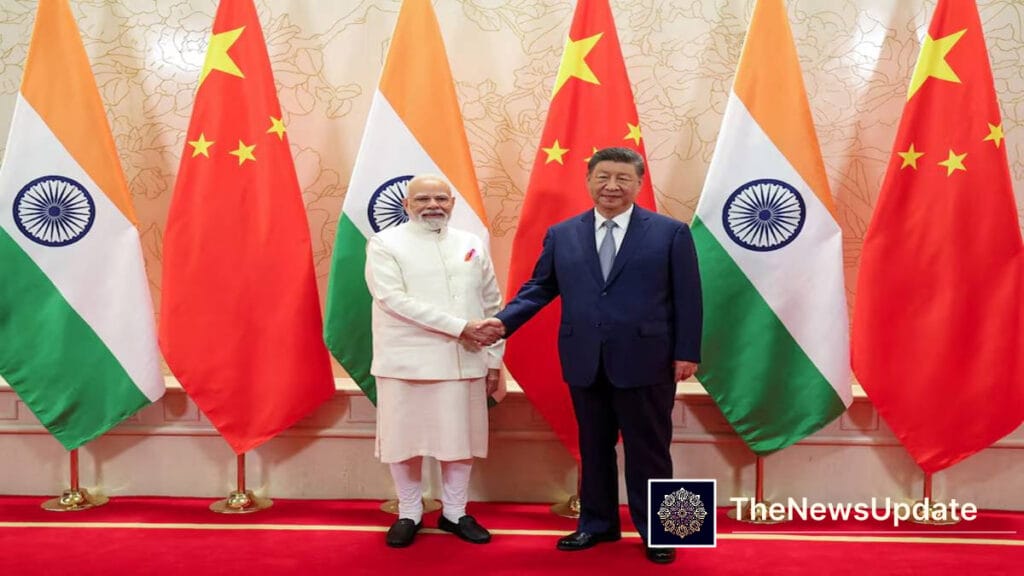
The idea of a Trump Core-5 Alliance with India has sparked intense curiosity across global political circles, raising questions about whether Donald Trump is secretly shaping a new geopolitical bloc that could rival the G7. Reports suggest a proposed “Core-5” superclub bringing together the US, India, Russia, China, and Japan—an unprecedented grouping that could reshape world power dynamics. Though the White House has not confirmed it, hints dropped at international summits and leaked elements of the US National Security Strategy suggest something significant might be brewing. India’s growing strategic relevance, combined with warming ties between Narendra Modi and Donald Trump, adds more weight to the speculation. This in-depth analysis explores what such an alliance could mean for global politics, US–India relations, Europe, and the future of existing blocs like the Quad.
Background: The Emerging Idea of a Core-5 Bloc
The possibility of a Trump Core-5 Alliance with India began circulating after a Politico report cited Defence One, revealing that an unpublished US National Security Strategy draft contained a proposal for a five-nation superclub. This proposed “Core-5” bloc would bring together the United States, India, Russia, China, and Japan—five of the world’s most influential countries by population, economy, and military power.
यह भी पढ़े:
 Osman Hadi Killers Fled to India via Meghalaya Border: Dhaka Police Reveal Shocking Escape Route
The idea, while initially dismissed by many observers as too ambitious or even unrealistic, has gained traction due to Trump’s unorthodox diplomatic style and his belief in great-power politics. His comments at the June G7 Summit, where he advocated for restoring Russia and even including China, hinted at a broader strategic recalibration in Washington.
For decades, US foreign policy was anchored in alliances with Europe, especially the NATO framework and the G7. But Trump has frequently questioned the relevance of traditional alliances, which sets the stage for a fundamental shift—one that could redefine global blocs and challenge long-established power structures.
Inside Trump’s Core-5 Alliance with India
The proposed Trump Core-5 Alliance with India would unite five major powers under one strategic umbrella, functioning similarly to the G7 but with a more global and multipolar character. According to reports, the plan includes regular summits focused on thematic agendas such as global security, trade, emerging technologies, and regional stability.
यह भी पढ़े:
 Bulldozer Raj Karnataka Demolitions: Congress Govt Faces Backlash After 400 Muslims Left Homeless
Notably, the first proposed agenda item for the Core-5 is said to focus on Middle East security—specifically efforts to normalize relations between Israel and Saudi Arabia. This aligns with Trump’s longstanding goal of expanding the Abraham Accords, a diplomatic breakthrough of his first term.
Although the White House has refused to confirm or deny the existence of such a proposal, insiders suggest that the idea reflects Trump’s long-standing preference for strong leaders, transactional diplomacy, and recalibrated alliances that bypass traditional ideological divides.
Why These 5 Countries? Strategic Logic & Global Impact
If one considers the geopolitical profile of the five prospective Core-5 nations, the logic becomes clear:

- United States – Economic powerhouse and central global actor.
- India – The world’s largest democracy, rising economic power, and strategic counterweight to China.
- China – The second-largest economy and a dominant global force.
- Russia – Key military player with vast energy resources.
- Japan – Technological and economic giant with strategic influence in Asia.
Together, these countries represent nearly half of the world’s population, enormous military capabilities, and some of the fastest-growing economies on the planet.
In essence, the Trump Core-5 Alliance with India could create the most influential geopolitical grouping ever assembled—surpassing even the G7 in terms of strategic reach.
Reactions, Analysis & Global Power Implications
Experts have reacted cautiously but not dismissively. Torrey Taussig, a former member of the US National Security Council during the Biden administration, noted that the proposal is “consistent” with Trump’s worldview—one centered on strongman politics, spheres of influence, and pragmatic engagement with other great powers.
Critics argue that bringing together rivals like China, India, and Japan under the same roof would be extremely difficult. China and India regularly face border tensions, while Japan and China contest maritime territories in the East China Sea. Russia’s relations with the West and its ongoing conflict in Ukraine complicate matters further.
Yet, Trump’s geopolitical approach is less about ideological alignment and more about powerful actors negotiating interests directly. If successful, the Core-5 bloc could alter global trade, military coordination, and diplomatic priorities—potentially displacing US-European dominance.
For India, such an alliance represents both an opportunity and a diplomatic challenge: balancing relations with Russia, managing tensions with China, and navigating a more assertive US foreign policy under Trump’s leadership.
यह भी पढ़े:
 Canada Hospital Killed Indian-Origin Man: Wife Alleges Medical Negligence After 8-Hour Wait
India’s Rising Role & Warming US-India Ties
The speculation around the Trump Core-5 Alliance with India comes at a time when Washington and New Delhi appear to be re-strengthening ties after months of turbulence. Earlier this year, the US slapped India with steep tariffs—reportedly the highest ever—citing concerns over India’s continued purchase of Russian oil. The dispute also delayed key trade negotiations.
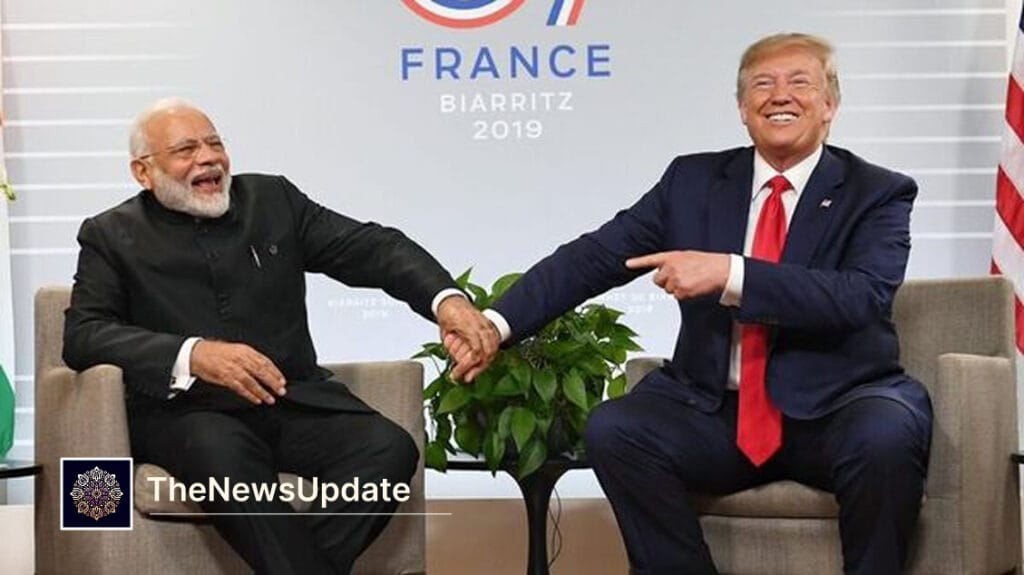
However, diplomatic relations have warmed considerably. Prime Minister Narendra Modi held a “very warm” phone call with Trump—his third recent conversation—signaling revived cooperation.
India’s rising status as the world’s fourth-largest economy, its pivotal role in Indo-Pacific security, and its carefully balanced ties with both Russia and the West make it an indispensable player in any new geopolitical grouping. For Trump, India serves as the linchpin in the effort to build a non-European, multipolar superclub.

Is Europe Being Sidelined?
One of the most controversial implications of the Core-5 proposal is its apparent exclusion of Europe. For decades, major decisions about global governance flowed through US-European institutions like the G7 and NATO.
If the Core-5 vision becomes reality, it could signal a dramatic restructuring of global alliances—one that recognizes emerging powers but leaves Europe on the sidelines. This shift mirrors Trump’s longstanding criticisms of European nations for not contributing more to collective security while benefiting from US protection.
Some analysts interpret the Core-5 proposal as a deliberate move to reshape global power dynamics and reduce U.S. dependency on European allies. Others argue it is a negotiating tactic designed to pressure Europe into more equitable partnerships.

Conclusion: What Comes Next for the Core-5 Vision?
While the Trump Core-5 Alliance with India is still speculative, the concept reflects genuine shifts in global power structures. Emerging powers are seeking greater roles in global decision-making, and traditional Western blocs are being questioned.
If Trump pursues the Core-5 superclub seriously, it could become one of the most consequential geopolitical moves in modern history. For India, participation would signify a bold step into great-power diplomacy, elevating its influence on global issues. For the world, it could reshape the balance of power, challenge existing alliances, and redefine 21st-century geopolitics.
For now, the world is watching—and waiting—to see whether whispers of this superclub transform into a new global order.
Related Reads
By The Morning News Informer — Updated December 12, 2025