Background: Tarique Rahman’s Return to Bangladesh
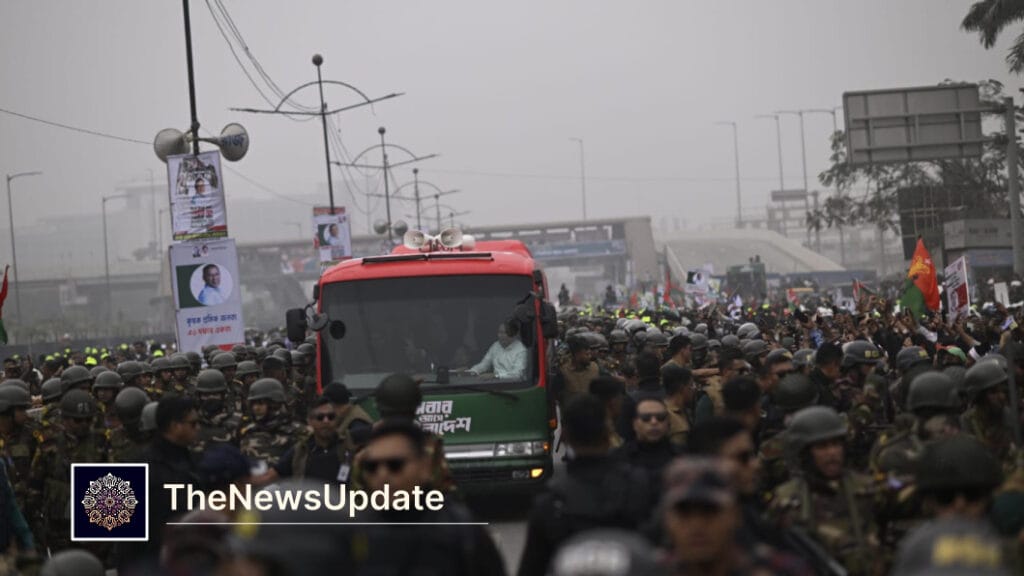
The return of Bangladesh Nationalist Party (BNP) acting chairman Tarique Rahman to Dhaka marks one of the most significant political developments in Bangladesh in recent years. After nearly 17 years of self-imposed exile in London, Tarique Rahman arrived in the capital to a massive welcome from party leaders and supporters.
As the son of former prime minister Khaleda Zia, Tarique Rahman has long remained a central figure in the country’s opposition politics. His absence coincided with years of political unrest, governance challenges, and growing public frustration over democratic freedoms. His return comes at a sensitive time when Bangladesh is navigating political uncertainty under an interim administration.
The rally at Dhaka’s 300 Feet area was not merely symbolic. It was a calculated political comeback, aimed at reconnecting with the public and setting the stage for the BNP’s strategy ahead of the February 2026 elections.
यह भी पढ़े:
 Osman Hadi Killers Fled to India via Meghalaya Border: Dhaka Police Reveal Shocking Escape Route
The Dhaka Rally and the “I Have a Plan” Message
Addressing a sea of supporters, Tarique Rahman began his speech with the words “Beloved Bangladesh,” drawing an emotional response from the crowd. The defining moment of the rally came when he invoked the legacy of American civil rights leader Martin Luther King Jr, declaring, “I have a plan.”
The phrase echoed King’s iconic “I have a dream” speech and was widely interpreted as an attempt to frame Bangladesh’s political struggle within a global narrative of democracy, justice, and civil rights.
“If you support us, I have a plan that will be a success for this country,” Rahman told supporters, stressing that meaningful change would only be possible through collective participation from citizens across society.
यह भी पढ़े:
 Bulldozer Raj Karnataka Demolitions: Congress Govt Faces Backlash After 400 Muslims Left Homeless
Throughout the address, Rahman blended political messaging with historical reflection, portraying himself as a leader aware of Bangladesh’s past struggles and determined to shape its future.
Vision for Democracy, Unity, and National Security
A central theme of Tarique Rahman’s speech was the restoration of democratic rights and freedom of expression. He argued that people across Bangladesh want to reclaim their voices after years of political pressure and division.
Referring to the 1971 Liberation War, later uprisings, and the mass protests of 2024, Rahman said the country’s history proves that progress comes through unity and sacrifice. Honouring those who lost their lives, he said, means building the nation they dreamed of.

Rahman strongly emphasized unity across religious and social lines, noting Bangladesh’s diverse identity.
- Equal rights for all religious communities
- Freedom of expression and democratic participation
- Public safety and rule of law
- Economic stability alongside political reform
“We want to build a safe Bangladesh — a country where any woman, man, or child can leave their home safely and return safely,” he said, repeating the message to underline his focus on peace and security.
Rahman also stated that peace and discipline were essential for national development, adding that political reform must go hand in hand with economic strength.
Political Tensions, Violence, and Minority Concerns
Tarique Rahman’s return comes amid rising political tensions and violence in Bangladesh. The killing of anti-India activist Osman Hadi triggered protests across Dhaka, with demonstrators demanding justice and alleging foreign involvement.
Paying tribute to Hadi, Rahman described him as someone who believed deeply in democracy and economic rights for citizens. However, the protests following Hadi’s death have also raised serious concerns.
Several members of the Hindu minority community have reportedly been attacked in recent days, with incidents involving vandalism and arson. One shocking case involved Dipu Chandra Das, a Hindu citizen who was lynched by a mob over alleged blasphemy.
यह भी पढ़े:
 Canada Hospital Killed Indian-Origin Man: Wife Alleges Medical Negligence After 8-Hour Wait
These incidents have further strained Bangladesh’s relationship with India, which has urged authorities to ensure the protection of minorities. Rahman’s emphasis on inclusivity and tolerance appeared aimed at addressing both domestic and international concerns.
Challenges Ahead and the 2026 Election Roadmap
Despite the enthusiasm surrounding his return, Tarique Rahman faces significant challenges. Restoring public trust will require more than symbolic speeches and historical references.
Key challenges facing the BNP include:
- Public anger over political violence
- Ensuring safety for minority communities
- Economic pressures and unemployment
- Managing strained relations with India
Rahman also highlighted the role of young people, urging them to take responsibility for shaping Bangladesh’s future. With a large youth population, their involvement could prove decisive in the upcoming elections.
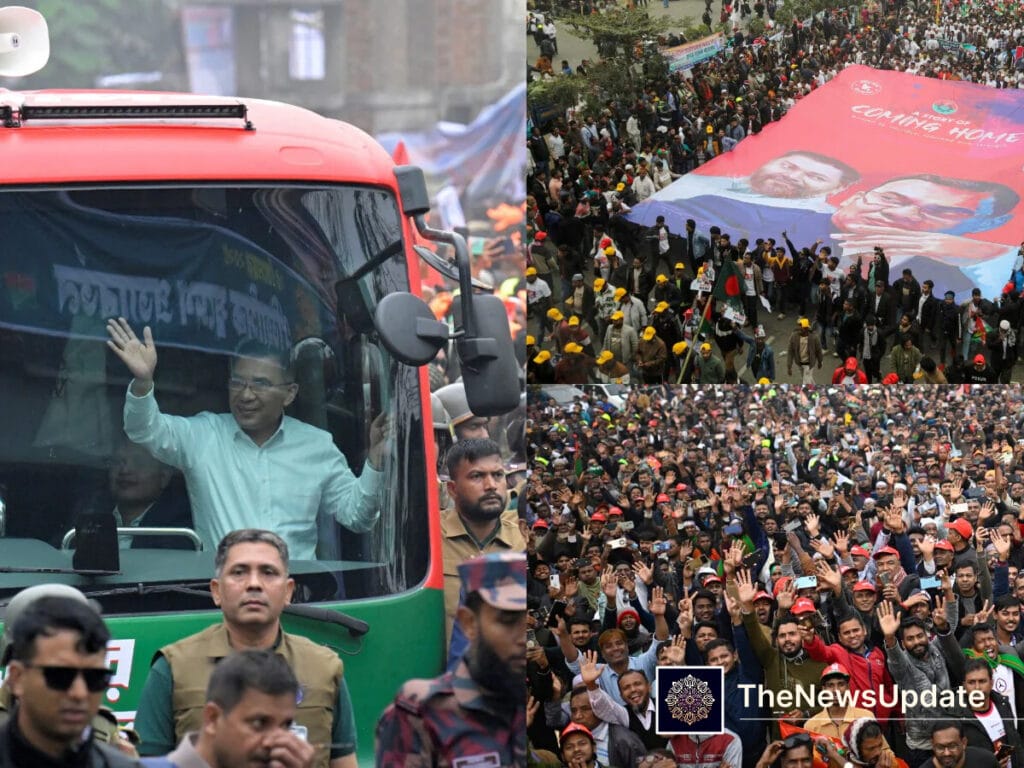
After the rally, Rahman met Muhammad Yunus, chief advisor of Bangladesh’s interim government, to discuss the political situation, signaling an effort to engage constructively during the transition period.
He also requested prayers for his mother, former prime minister Khaleda Zia, who is currently hospitalized in Dhaka.
Conclusion: What Lies Ahead for Bangladesh
Tarique Rahman’s Dhaka rally and his invocation of Martin Luther King Jr’s words, “I have a plan,” have reshaped Bangladesh’s political conversation. For supporters, the moment symbolized hope and renewal. For critics, it raised questions about accountability and governance.
As Bangladesh moves toward the February 2026 elections, the coming months will determine whether Rahman can convert rhetoric into political credibility. Ensuring peace, protecting minorities, and restoring democratic confidence will be crucial tests of his leadership.
His return has undoubtedly placed him back at the centre of national politics. Whether his plan can guide Bangladesh through its current challenges remains to be seen.

Related Reads
By The News Update— Updated December 25, 2025