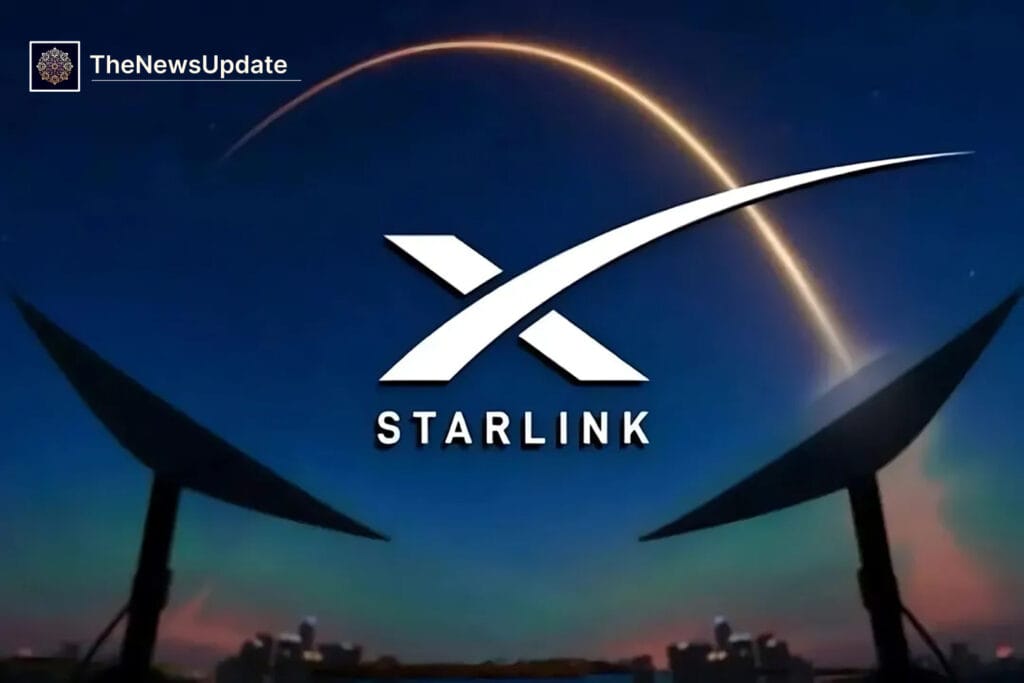
After months of speculation, Elon Musk’s Starlink India launch is finally preparing to enter the Indian market. The company has revealed its pricing for residential internet services on the official Starlink India website, signaling that the launch is imminent. Here’s a complete look at what this means for Indian consumers, pricing details, setup, and how Starlink plans to compete in the country.
Starlink Residential Pricing in India
Starlink India has listed the monthly fee for its residential plan at Rs 8,600, with an additional hardware kit cost of Rs 34,000. The hardware kit includes a satellite dish, Wi-Fi router, and necessary cables. Once purchased, users can set it up themselves and enjoy high-speed internet with minimal hassle. Starlink promises unlimited data, 99.9% uptime, and continued connectivity even under adverse weather conditions.
While the price is high compared to conventional broadband services in India, it aligns with Starlink’s global pricing model. The service is especially significant for regions where traditional fibre connections and terrestrial networks have limited reach.

Setup Process for Starlink Broadband in India
Setting up Starlink in India is designed to be user-friendly:
- Unbox the hardware kit, including the satellite dish and router.
- Connect the dish and router using the provided cables.
- Use the Starlink app to complete the installation and align the dish.
- Once setup is complete, the service is ready to use, providing high-speed satellite internet.
This ease of installation is one of Starlink’s key advantages, allowing even remote households to access reliable broadband without waiting for fibre deployment.
Regulatory Status and Approvals
Starlink’s launch in India is not fully operational yet, as the service is marked “pending regulatory approval” on its availability map. However, several permissions have already been cleared by the Indian government. Experts expect full approval in the short term, enabling Starlink to directly serve consumers across the country.

The Department of Telecommunications (DoT) granted Starlink a five-year license earlier this year, authorizing the company to operate commercial satellite broadband services in India. Regulatory clearance is a major milestone, allowing Starlink to compete with established players in the Indian satellite communication space.
Competition in the Indian Satellite Broadband Market
Once operational, Starlink will face competition from major providers like Jio-SES and Eutelsat OneWeb. These providers primarily focus on enterprise and government clients, whereas Starlink is targeting direct-to-consumer residential users from day one. This strategy positions Starlink as a disruptive force in India’s broadband ecosystem.
Factors that could influence Starlink’s competitiveness include:

- Pricing and affordability: While Starlink offers premium speeds and reliability, the monthly fee is higher than most conventional broadband plans.
- Network coverage: Starlink’s satellite constellation ensures coverage in remote and underserved areas where terrestrial internet is limited.
- Service reliability: Starlink promises 99.9% uptime, even in adverse weather conditions, which is crucial for consistent connectivity.
- Regulatory and spectrum allocation: Government decisions on spectrum allocation could impact Starlink’s long-term expansion and operational flexibility.
Enterprise Plans and Business Services
While Starlink has made residential pricing public, the cost of enterprise or business plans for India is not yet announced. These plans are expected to offer enhanced bandwidth, lower latency, and dedicated support. Industry experts anticipate announcements regarding enterprise offerings as Starlink establishes its physical presence and operational infrastructure in India.
The company has already started hiring for its Bengaluru office, posting openings for specialists in payments, accounting, treasury, and tax. This suggests a strong focus on building operational support for both consumer and enterprise clients.
Infrastructure Development in India
Starlink is preparing to establish multiple gateway earth stations in cities including Chandigarh, Hyderabad, Kolkata, Lucknow, Mumbai, and Noida. These stations serve as relay points between Starlink’s satellite constellation and ground-based receivers, ensuring low-latency, stable internet even in geographically challenging regions.
यह भी पढ़े:
 Samsung Bixby Perplexity AI Integration: 7 Key Signs Samsung Is Reinventing Its Voice Assistant
The earth stations are crucial for maintaining high-speed connectivity and minimizing delays, making the service competitive with terrestrial broadband options. This infrastructure rollout highlights Starlink’s commitment to a high-quality user experience from day one.
Why Starlink Is Important for India
Starlink’s entry into India is particularly significant for rural and remote areas where traditional internet access remains limited. High-speed satellite internet can empower students, businesses, and local communities by enabling:
- Access to online education and e-learning platforms
- Improved communication for remote work and business operations
- Enhanced access to government and banking services online
- Opportunities for telemedicine and healthcare consultations
- Support for digital entrepreneurship in underserved regions
By targeting these underserved regions, Starlink is likely to reshape the digital landscape in India and provide critical connectivity solutions where traditional ISPs struggle to reach.
यह भी पढ़े:
 Osman Hadi Killers Fled to India via Meghalaya Border: Dhaka Police Reveal Shocking Escape Route
Pricing Comparison with Global Markets
Starlink’s pricing in India is broadly consistent with its global offerings. In other regions, Starlink charges approximately $110 per month for residential service and $499 for the hardware kit. The pricing in India reflects both the premium nature of satellite internet and the costs associated with deploying advanced satellite infrastructure.
While not the most affordable option for mass-market users, Starlink’s value proposition is in providing high-speed, reliable internet where other services cannot reach, particularly in remote or underserved regions.
Customer Experience and Service Features
Starlink promises several user-centric features for Indian customers, including:
यह भी पढ़े:
 Bulldozer Raj Karnataka Demolitions: Congress Govt Faces Backlash After 400 Muslims Left Homeless
- Unlimited data with no hidden caps
- High-speed connectivity suitable for streaming, gaming, and remote work
- Easy self-installation with user-friendly instructions
- Compatibility with multiple devices including smartphones, tablets, and laptops
- Stable connectivity even in challenging weather conditions
- 24/7 customer support and troubleshooting resources
These features position Starlink as a premium, high-quality broadband option for both individuals and businesses seeking reliable internet in India.
Future Outlook for Starlink in India
With pricing public and regulatory approvals nearly finalized, Starlink is poised for a full-scale launch in India. Analysts expect the company to gradually expand coverage to urban and rural regions, potentially altering the competitive landscape of Indian satellite broadband. Starlink’s direct-to-consumer approach, combined with superior technology and infrastructure, may encourage traditional ISPs and satellite providers to innovate and improve their offerings.
Additionally, the company may introduce enterprise plans, hybrid solutions, and specialized services for educational institutions, government bodies, and businesses, further expanding its market presence.

Conclusion
Starlink’s India launch represents a major milestone in satellite broadband services, offering high-speed, low-latency internet to consumers in regions underserved by traditional networks. The residential pricing, though premium, reflects the value of reliable connectivity and unlimited data. With infrastructure investments, gateway stations, and regulatory approvals moving forward, Starlink is set to become a key player in India’s broadband ecosystem, potentially transforming access to digital services nationwide.
For continued updates on India’s tech updates and digital developments, visit our Tech News section and The News Update.