Table of Contents
- Background: The Origins of the ICT
- The Verdict: How the ICT Sentenced Hasina
- Ironies, Reactions & Political Fallout
- Conclusion: What This Means for Bangladesh
Background: How the ICT Was Created and Why It Mattered
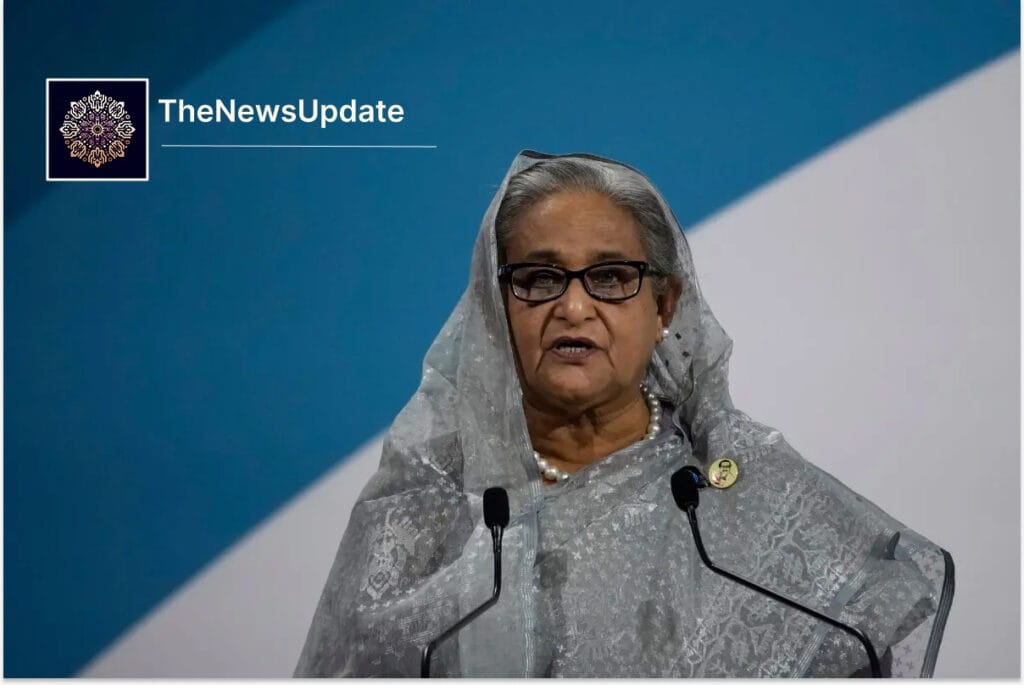
The story of the Sheikh Hasina death sentence by ICT cannot be understood without revisiting the tribunal’s origins. The International Crimes Tribunal (ICT) of Bangladesh was born out of a decades-old demand for justice. In 1973, after the birth of the nation, Bangladesh passed the International Crimes (Tribunals) Act to prosecute collaborators who aided the Pakistan Army during the 1971 Liberation War. But political instability, coups, and changing regimes left the law dormant.
When Sheikh Hasina returned to power in 2009 with a sweeping democratic mandate, she revived the law and formally established the ICT to try war criminals and collaborators. It was expected to help heal wounds left by the genocide, mass rapes, and atrocities carried out over nine months in 1971. Many of the accused were members of the Jamaat-e-Islami, a party historically aligned with Pakistan and opposed to Bangladesh’s independence.

For years, the tribunal defined Hasina’s political legacy. Her supporters viewed it as a bold step toward historical justice. Critics accused it of political targeting, rushed procedures, and flawed evidence standards. Nevertheless, between 2009 and 2024, the ICT convicted dozens and executed five individuals, including prominent Jamaat leaders like Abdul Quader Molla and Motiur Rahman Nizami.
But no one imagined that the very institution created by Hasina would one day turn against her.
The Verdict: How the ICT Sentenced Sheikh Hasina
On November 17, 2025, the ICT delivered one of the most shocking judgments in Bangladesh’s political history: a death sentence for Sheikh Hasina, the former Prime Minister who once championed the tribunal as a vehicle of justice and national healing.

The tribunal ruled that Hasina and her former home minister, Asaduzzaman Khan Kamal, were responsible for “crimes against humanity” linked to the state’s response to the massive quota-reform protests in July–August 2024. The official death toll was estimated at around 1,400 protesters—a figure widely debated by rights groups, opposition parties, and international observers.
The unrest, driven largely by students, transformed from a policy dispute into a national uprising. By early August 2024, the movement had grown into a broad anti-government revolt allegedly infiltrated by Jamaat-e-Islami and its student wing, Shibir. As violence escalated and public anger surged, Hasina fled to India. The military, along with civil society leaders, installed an interim government under Nobel laureate Muhammad Yunus.
The Yunus-led administration refocused the ICT, shifting it from probing 1971 crimes to prosecuting alleged abuses under Hasina’s rule. The legal justification for this shift remains controversial, raising questions about retroactive application of mandate, judicial independence, and political motivations.

Still, the tribunal moved swiftly. Within months, hearings concluded, appeals were shortened, and Hasina was handed the harshest punishment available under Bangladeshi law. Her legal team condemned the process as “politically choreographed,” “deeply biased,” and “a betrayal of justice.”
Ironies, Reactions & Political Fallout
Few moments in Bangladesh’s political history have been as laden with irony as the Sheikh Hasina death sentence by ICT. Two contradictions stand out prominently.
The Tribunal Turned on Its Creator
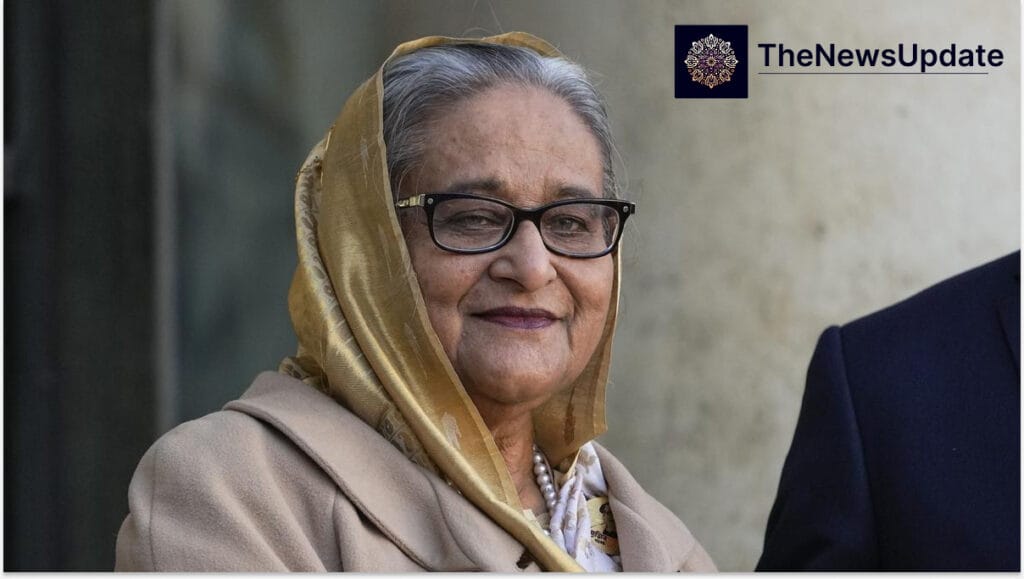
For over a decade, the ICT symbolized Hasina’s resolve to prosecute those responsible for wartime atrocities. Her administration defended the tribunal through international criticism, legal appeals, and diplomatic pressure. To many supporters, it reinforced her image as a guardian of secularism and justice.

Now, the same tribunal she built has declared her a perpetrator of “crimes against humanity.” The political symbolism is staggering: Hasina, once the crusader of justice, stands condemned by her own creation.
Jamaat-e-Islami Cheering the Verdict
The second great irony is the reaction of Jamaat-e-Islami, a party whose leaders were executed following ICT verdicts. For years, Jamaat labeled the tribunal as biased, politically motivated, and a tool of state oppression. Its leaders repeatedly rejected the ICT’s legitimacy.
Yet on November 17, 2025, Jamaat leader Mia Golam Parwar demanded immediate execution of Hasina’s sentence, saying there was “no scope of questioning the verdict.” The same political group that once declared ICT trials “fabricated” now embraces the tribunal’s authority.

To justify this U-turn, Parwar argued that Hasina’s ICT was biased, while the current tribunal under Yunus represents “true justice.” The logic reflects the fluid nature of political narratives, where legitimacy is often shaped by who stands to benefit.
National and Global Reactions
The country remains deeply divided. Supporters of the 2024 movement see the sentence as the culmination of long-standing frustration with perceived authoritarianism under Hasina’s rule. Meanwhile, her loyalists—still a significant force within Bangladesh and the diaspora—denounce the trial as a witch-hunt orchestrated by political rivals.
International human rights groups have expressed concern about the speed of proceedings, possible due process violations, and the use of the death penalty. Several neighboring countries have restrained from official comment, though diplomats privately suggest that the verdict may destabilize the region politically.

Hasina herself, in a statement from India, called the verdict “rigged,” “politically motivated,” and indicative of “a tribunal with no democratic mandate.” Her comments echo earlier criticisms from BNP and Jamaat regarding ICT procedures over the past decade.
Conclusion: What This Means for Bangladesh
The Sheikh Hasina death sentence by ICT marks one of the most dramatic political reversals in South Asian history. A tribunal created to prosecute war criminals now stands accused of being weaponized against the leader who established it. Meanwhile, Jamaat-e-Islami, once its loudest critic, has become its unexpected defender .
This episode reveals deeper fractures within Bangladeshi society—between its liberation-era identity and its evolving political realities; between memories of injustice and quests for democratic accountability; between the rule of law and the risks of politicized justice Sheikh Hasina Death Sentence by ICT
.

What comes next may determine Bangladesh’s trajectory for years. Will the Yunus-led interim government pursue broader reconciliation? Will the ICT regain national trust or face institutional reforms? And will Hasina ever return to face her sentence—or challenge it?
Bangladesh stands at a crossroads where justice, politics, and history intersect. The path it chooses now may redefine the nation’s future Sheikh Hasina Death Sentence by ICT
.
Related Reads
By The Morning News Informer — Updated Nov 18, 2025