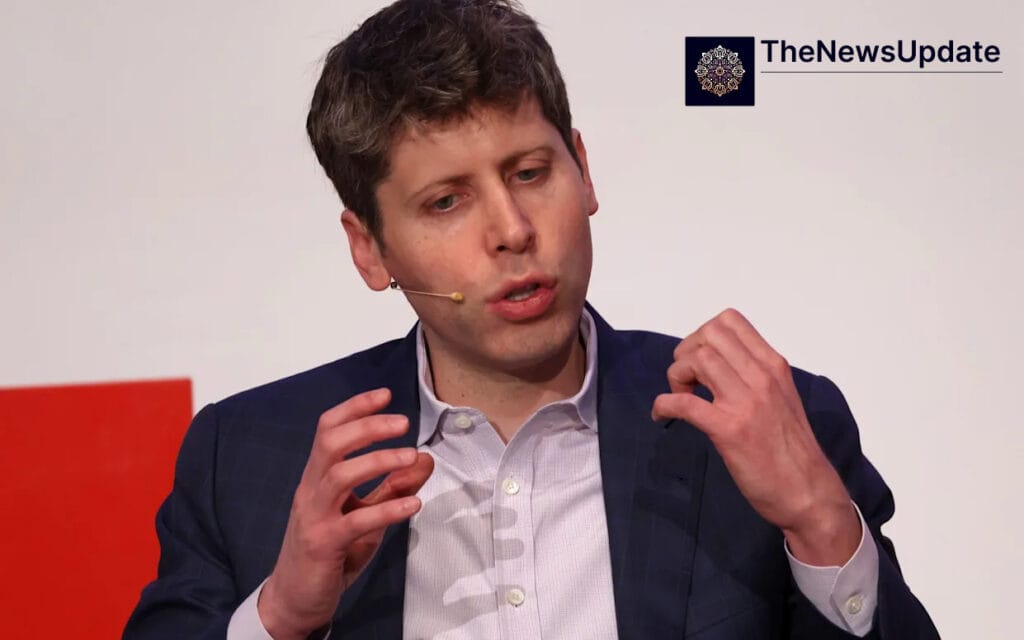
The race to redefine the future of human biology has intensified again — and this time, Silicon Valley is at the center of a global controversy. According to recent reports, a secretive biotech startup backed by OpenAI CEO Sam Altman and his husband Oliver Mulherin is exploring technology that could one day enable the creation of gene-edited babies. Supported by influential tech figures like Coinbase co-founder Brian Armstrong, the startup, called Preventive, is working on breakthrough methods to eliminate hereditary genetic diseases at the embryo level.
This radical scientific pursuit promises a future free from inherited disorders, but it equally promises something far more dangerous — a world where altering the genetic blueprint of unborn children becomes normalised. As news spreads, the global scientific community has expressed alarm, warning that such ambitions are not only premature but potentially catastrophic.
🔬 What Are Gene-Edited Babies?
To understand the magnitude of this development, it’s essential to know what gene-edited babies truly are. The concept involves modifying the DNA of a developing embryo using advanced gene-editing tools like CRISPR-Cas9. These modifications aim to remove faulty genes responsible for hereditary illnesses such as:

- Cystic fibrosis
- Tay-Sachs disease
- Sickle cell anaemia
- Muscular dystrophy
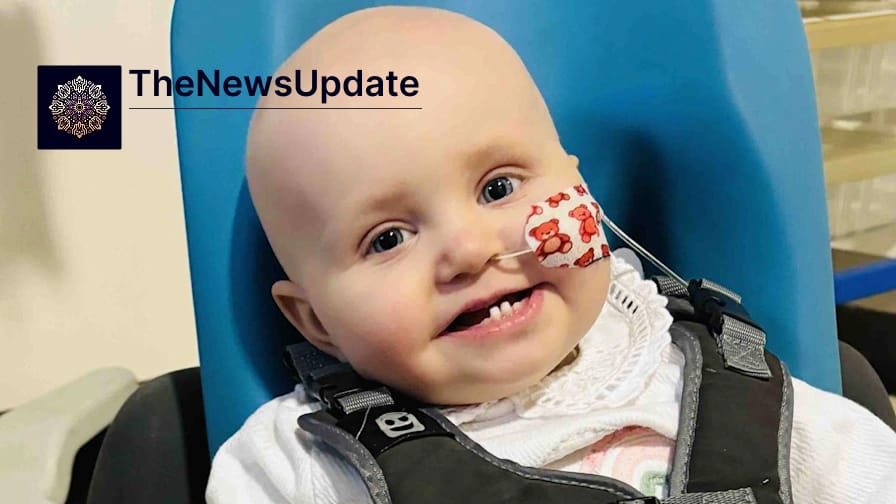
The idea, on paper, is promising: fix genetic mutations before a child is even born and eliminate certain diseases from an entire family line. For families plagued by severe genetic conditions, this could appear nothing short of miraculous.
However, the reality is far more complex.
Editing the DNA of embryos means altering germline cells — genetic changes that are heritable and permanently passed down across future generations. This means that any mistake, however small, could affect not just a single child but many generations thereafter. The implications are immense and irreversible.

⚠️ Why Scientists Are Deeply Concerned
Experts have raised several major concerns surrounding the concept of gene-edited babies, especially at this stage of scientific development.
1. The Technology Is Not Safe Yet
CRISPR is powerful, but still imperfect. Editing one gene can unintentionally affect other areas of the genome — an issue known as off-target mutations. These unintended changes could lead to:
- New genetic disorders
- Cancer risks
- Long-term developmental problems
These mistakes cannot be corrected once the baby is born, making the procedure ethically unacceptable.

2. The First Gene-Edited Babies Case Was a Disaster
In 2018, a Chinese scientist, He Jiankui, announced the birth of the world’s first gene-edited babies. The international backlash was immediate and severe. He was later jailed for unethical experimentation. Follow-up research showed his work caused unintended genetic consequences.
This single case made global regulators tighten restrictions on embryo editing.
3. Gene Editing Could Create Genetic Inequality
The idea of “designing” children raises fears about a future where only wealthy families can afford enhanced genetics. This could deepen existing social inequalities, leading to a new era of biological class divide.
यह भी पढ़े:
 Samsung Bixby Perplexity AI Integration: 7 Key Signs Samsung Is Reinventing Its Voice Assistant
4. “Designer Babies” Could Become a Reality
Once the door opens to eliminate disease, experts fear it may soon expand to optional enhancements, including:
- Height
- Intelligence
- Physical appearance
- Strength or performance traits
Such modifications would fundamentally alter the natural diversity of future humans and raise moral concerns about genetic perfectionism.
🧬 What Exactly Is Sam Altman’s Startup Doing?
The startup, Preventive, is reportedly working on ways to ensure embryos are genetically free of dangerous inherited disorders. According to confidential reports, the company’s ambition is to “rewrite the genetic blueprint of embryos.”

Supporters view this as an opportunity to stop generational suffering. They argue that if technology can safely prevent inherited diseases, society has a moral duty to explore it.
But critics say that despite this intention, the technology is nowhere close to being safe enough, regulated enough, or predictable enough to justify experimentation on future human lives.
🌍 Why This Could Be Dangerous for Society
The potential risks extend far beyond individual health. Several societal and ethical issues arise:
यह भी पढ़े:
 New York Times Reporter, Authors Sue Google, OpenAI, Meta Over AI-Based Copyright Infringement
1. A Future of Genetically Modified Classes
If only the affluent have access to embryo editing, society could split between “naturally born” and “genetically enhanced” humans.
2. Loss of Genetic Diversity
Editing genes to meet certain standards could reduce natural variation, affecting human evolution.
3. Ethical Slippery Slope
Even if Preventive currently claims to focus solely on disease prevention, history suggests technological boundaries rarely hold. As soon as enhancements become possible, demand will rise.

4. Long-Term Unpredictability
Genome edits affect every cell in the body and all future descendants. No scientist can currently guarantee long-term safety.
🧪 Why Are Silicon Valley Leaders Investing in This?
Silicon Valley billionaires have long been fascinated by frontier health technologies — from anti-aging biotech to AI-driven healthcare. Preventive represents the next leap: reshaping human life at the genetic level.
For backers like Sam Altman, the motivation seems to be a mix of humanitarian vision, scientific curiosity, and long-term technological ambition. They believe that with rigorous oversight, embryo editing could break centuries-old cycles of inherited suffering.
यह भी पढ़े:
 Indie Band Claims AI Stole Their Billie Eilish Cover, Raising Fresh Fears Over Music Copyright
But even supporters admit that this technology is among the most sensitive and ethically complex fields ever explored.
📜 Why Most Countries Ban or Restrict Embryo Editing
Nearly all developed countries have strict bans or regulations preventing embryo gene-editing for pregnancy. The reasons include:
- Unpredictable scientific outcomes
- Lack of long-term safety data
- High ethical risks
- Uncontrolled future consequences
- Fear of genetic inequality
The global scientific consensus is clear: the world is not ready for gene-edited babies.

🔍 The Road Ahead: Promise vs Danger
While gene-editing holds remarkable potential for eliminating hereditary diseases, the idea of deploying it on embryos remains deeply controversial. Leading scientists argue that such technology should remain in research labs — not in the hands of startups racing for breakthroughs.
Sam Altman’s involvement amplifies both excitement and concern. As one of the most influential figures in global AI development, his interest in rewriting human biology has raised questions about where Silicon Valley will draw ethical boundaries.
The world now watches closely as Preventive continues its work, and as regulators, ethicists, and researchers increasingly call for strict oversight before any step toward real-world application is allowed.