Table of Contents
- Background: RSS and Its Legal Status
- Bhagwat’s Remarks on Registration and Recognition
- RSS Tax Exemption and Financial Status
- Mission, Society, and Ideology of RSS
- Reactions and Public Debate
- Conclusion: What Lies Ahead for RSS
Background: RSS and Its Legal Status
The Rashtriya Swayamsevak Sangh (RSS), RSS Legal Status and Tax Exemption the ideological parent body of India’s ruling party BJP, has long faced scrutiny over its legal status. Established in 1925, the RSS predates Indian independence and has played a pivotal role in shaping political and social discourse in India. Despite its prominence, the organisation remains formally unregistered, sparking debates over its legal recognition and operations.
RSS chief Mohan Bhagwat addressed these concerns recently, highlighting that many institutions, including Hindu dharma itself, are not formally registered. His remarks emphasize the organisation’s century-long presence and historical resilience, particularly in light of government-imposed bans over the decades.

Bhagwat’s Remarks on Registration and Recognition
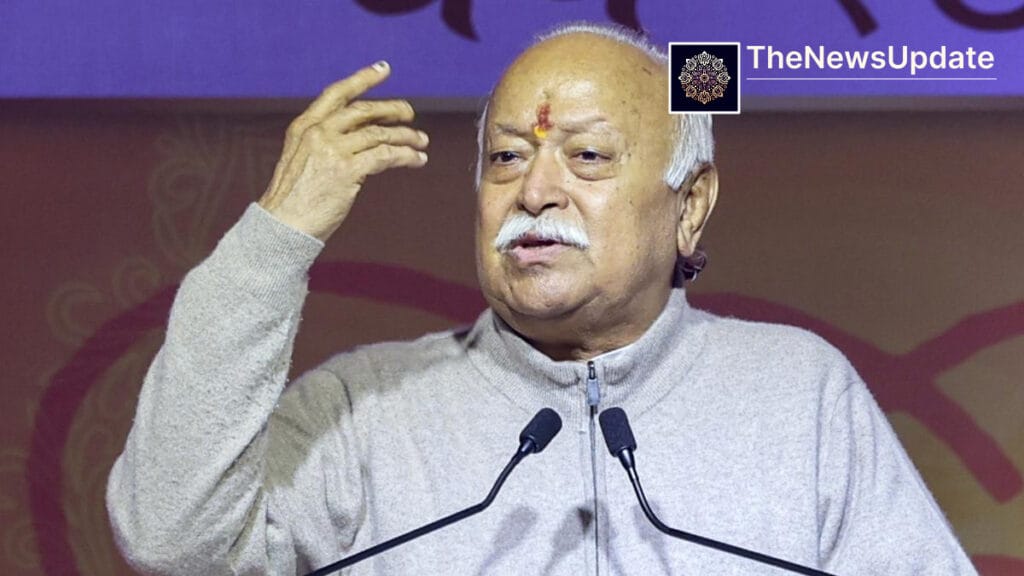
During a lecture titled ‘100 Years of Sangh Journey: New Horizons’ in Bengaluru, Bhagwat explained the RSS’s unregistered status. He cited three past bans on the organisation, arguing that these restrictions actually confirm government recognition: “We were banned thrice; hence government has recognised us. If we were not there, whom did they ban?” he stated.
Bhagwat also questioned whether registration was necessary during the British era, noting that RSS was established in 1925. After India’s independence, he emphasized, there was no legal compulsion for the organisation to register formally. His explanation positions the RSS as a legally acknowledged body of individuals, recognized informally through historical interactions with authorities rather than through modern registration protocols.
RSS Tax Exemption and Financial Status
The chief also touched upon the RSS’s financial and tax status, clarifying that the Income Tax Department and Indian courts have recognized the organisation as a body of individuals rather than a profit-making entity. This distinction has allowed the RSS to maintain tax-exempt status legally. Bhagwat asserted that the exemption aligns with the RSS’s objective of social service rather than political or financial gain.

Such clarification is significant given ongoing scrutiny from various political quarters. By emphasizing legality and transparency, Bhagwat reinforced the notion that RSS functions as a civic organisation prioritizing societal development.
Mission, Society, and Ideology of RSS
Bhagwat reiterated that the RSS does not seek political power or social prominence. Instead, its mission is to organise Hindu society and work toward the “glory of Bharat Mata (Mother India).” According to Bhagwat, Hindus collectively hold a responsibility for India’s cultural and societal progress. He stressed that the term “Hindu” encompasses all Indians, with everyone, including Muslims and Christians, sharing the country’s ancestral and cultural heritage.
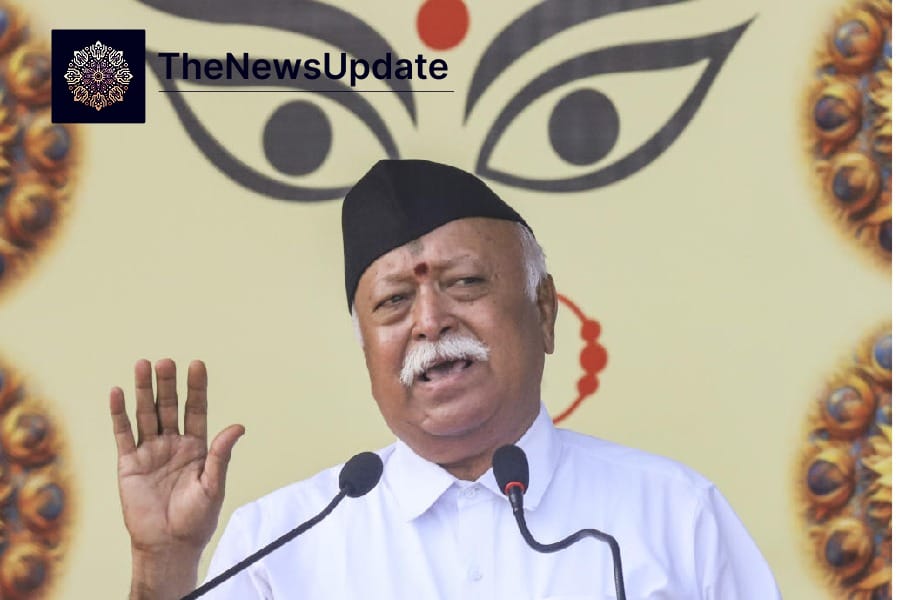
“Sanatan Dharma is Hindu Rashtra and the progress of Sanatan Dharma is the progress of Bharat,” Bhagwat remarked, highlighting the organisation’s ideological commitment to national development through social and individual organisation. Despite historical challenges, including bans and opposition, Bhagwat emphasized that RSS members continue their work selflessly, without seeking recognition or reward.

Reactions and Public Debate
Bhagwat’s comments come amid growing debates over the RSS’s role in contemporary India. In Karnataka, where he delivered these remarks, local Congress leaders have opposed the use of public spaces by RSS, citing communal concerns. Minister Priyank Kharge has been particularly vocal, critiquing the organisation’s activities.
Supporters argue that the RSS is fundamentally a cultural and social organisation focused on nation-building. Critics, however, continue to scrutinize its ideology, political connections, and influence over public institutions. Bhagwat’s clarifications on legal status and tax exemption aim to address some of these concerns while reinforcing the organisation’s mission and legitimacy.
Conclusion: What Lies Ahead for RSS
The debate over RSS Legal Status and Tax Exemption highlights the challenges faced by historical civic organisations operating in modern legal frameworks. Mohan Bhagwat’s statements underscore the organisation’s commitment to societal service, Hindu cultural preservation, and organisational discipline. As India continues to navigate political and social complexities, the RSS remains a significant actor, shaping discourse around culture, religion, and national identity.
यह भी पढ़े:
 Osman Hadi Killers Fled to India via Meghalaya Border: Dhaka Police Reveal Shocking Escape Route
Related Reads
By The Morning News Informer— Updated 09 Nov 2025