Table of Contents
- Background: Freebies and Politics in India
- Current Trend: Cash Transfers to Women
- Fiscal Risk: Can States Afford These Promises?
- Criticism & Debate: Welfare or Populism?
- What’s Next: The Long-Term Impact
Background: Freebies and Politics in India
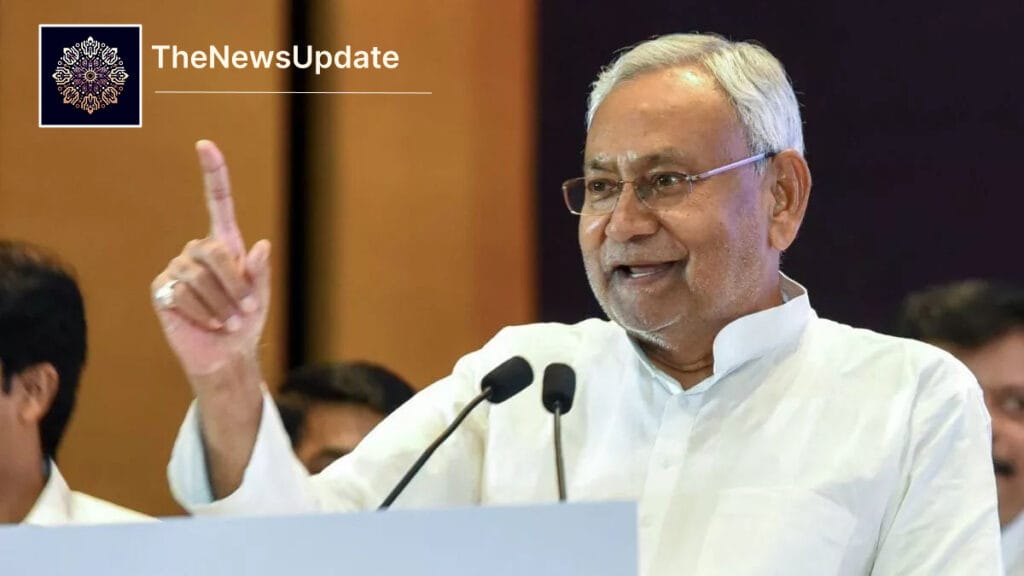
In Indian politics, election handouts are nothing new. Over decades, politicians have dangled a wide variety of freebies — from bicycles to television sets — to woo voters Rising Cost of India’s Poll Promises. These giveaways, sometimes framed as welfare schemes, often blur the line between genuine social support and pre-election vote buying.
Historically, such schemes have served two purposes: providing short-term benefits to underserved populations, and consolidating political support. But as India’s political landscape evolves, so does the scale and ambition of these freebies. What once were in-kind gifts or vouchers are now being offered as direct cash transfers — particularly to women.
Current Trend: Cash Transfers to Women
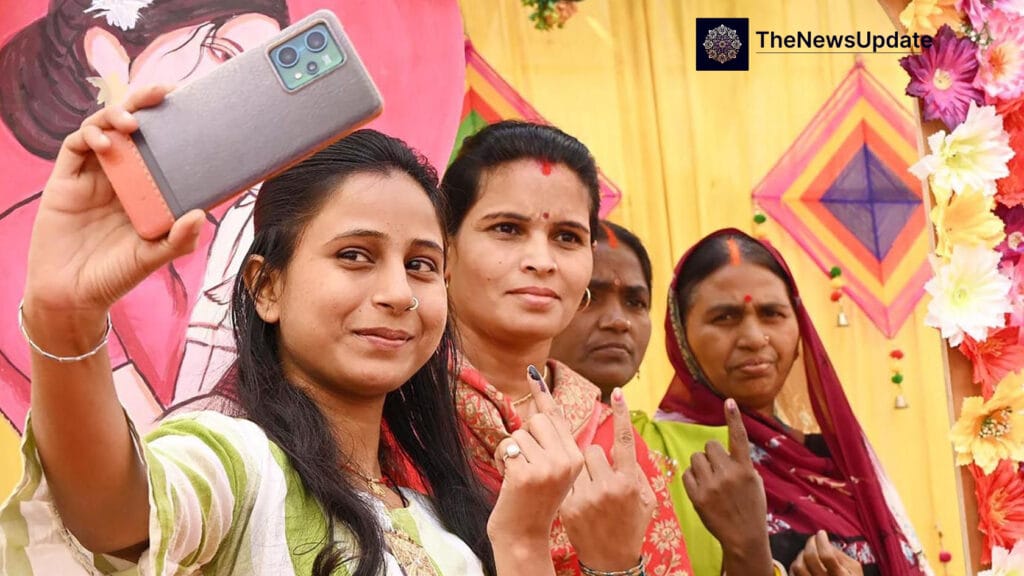
Cash transfers to women have become a particularly powerful electoral tool in recent state elections. Ahead of the 2025 Bihar Assembly elections, the ruling alliance announced a scheme to transfer ₹10,000 to women under a program called Mukhyamantri Mahila Rojgar Yojana.
According to media reports, around 75 lakh women in Bihar were targeted under the scheme — leading to a massive cash outlay just before polling. This marked the latest evolution of election-time largesse: not just voting-day gifts, but substantial, targeted financial support.
But Bihar isn’t alone. Several states have adopted similar patterns of election-era cash transfers, especially to women. Analysts and economists say this trend is spreading rapidly — and the timing suggests it’s not just social welfare, but deliberate political strategy.
Fiscal Risk: Can States Afford These Promises?
While the political payoff of cash transfers may be high, the economic risks are equally acute. Experts warn that such freebies are placing severe strain on state finances — particularly in poorer states like Bihar.
According to Emkay Global, the outlay on these schemes in Bihar could reach more than ₹40,000 crore in FY 26 — roughly 4 % of the state’s Gross State Domestic Product (GSDP). For comparison, this level of spending rivals the state’s capital expenditure budget — the portion of spending typically reserved for infrastructure and long-term investments.
Bihar’s fiscal deficit is already under intense pressure. The state has seen its shortfall rise dramatically, fueled in part by these pre-poll handouts.

Moreover, the Reserve Bank of India (RBI) has raised the alarm over growing subsidy burdens on state debt. According to the central bank, rising spending on cash transfers, free services, and other subsidies is a key stress factor in state-level finances.
In some states, the cost of freebie programs has already forced governments to dial back or revise them post-election. But the recurring cycle of electoral spending and fiscal strain raises critical questions about long-term sustainability.
Criticism & Debate: Welfare or Populism?
There is a growing chorus of voices who argue that not all handouts are created equal. Some economists, like Jean Drèze, defend conditional cash transfers: they argue such schemes can help the poor extract promises from political leaders and convert rhetoric into real benefits.
Others disagree. Critics say cash transfers tied to elections risk creating a “freebie culture” — where governing becomes about short-term vote gains rather than building long-term infrastructure or creating jobs.
Political opponents have been vocal too. Sharad Pawar, a senior leader, has labelled massive cash payouts as a “threat to democracy.” He warns these measures could distort electoral competition. At the same time, the Election Commission has sought to curb inducements like cash, drugs, and liquor, issuing tighter rules ahead of key polls.
Furthermore, some analysts note that these election schemes are often rationalized or cut after the elections, once the political pressure eases. This has fueled concerns that instead of being a genuine welfare tool, such programs are being used as short-term political weapons — with long-term costs left for citizens and future governments to bear.
What’s Next: The Long-Term Impact
As India heads into more state elections — including crucial ones in Tamil Nadu, Kerala, and West Bengal — the race to offer freebies is likely to intensify.States that previously resisted cash-only schemes may feel pressure to follow suit.
But the question remains: can this model be sustained? With ballooning fiscal deficits, rising debt, and warnings from financial institutions, governments may soon be forced to make a choice. Either they recalibrate their priorities, focusing more on capital expenditure and growth; or they double down on populist giveaways and risk long-term economic instability.
For voters, the dilemma is equally profound. Cash transfers can provide immediate relief, especially to marginalized women. But are these benefits coming at the expense of the state’s future capacity to invest in education, health, and infrastructure?

Ultimately, the rising cost of poll promises mirrors a broader challenge: how to balance democratic incentives with economic prudence. Unless policymakers and citizens reckon with that tension, India may find itself paying a steep price for its “freebie culture.”
Related Reads
By The Morning News Informer — Updated Nov 18, 2025