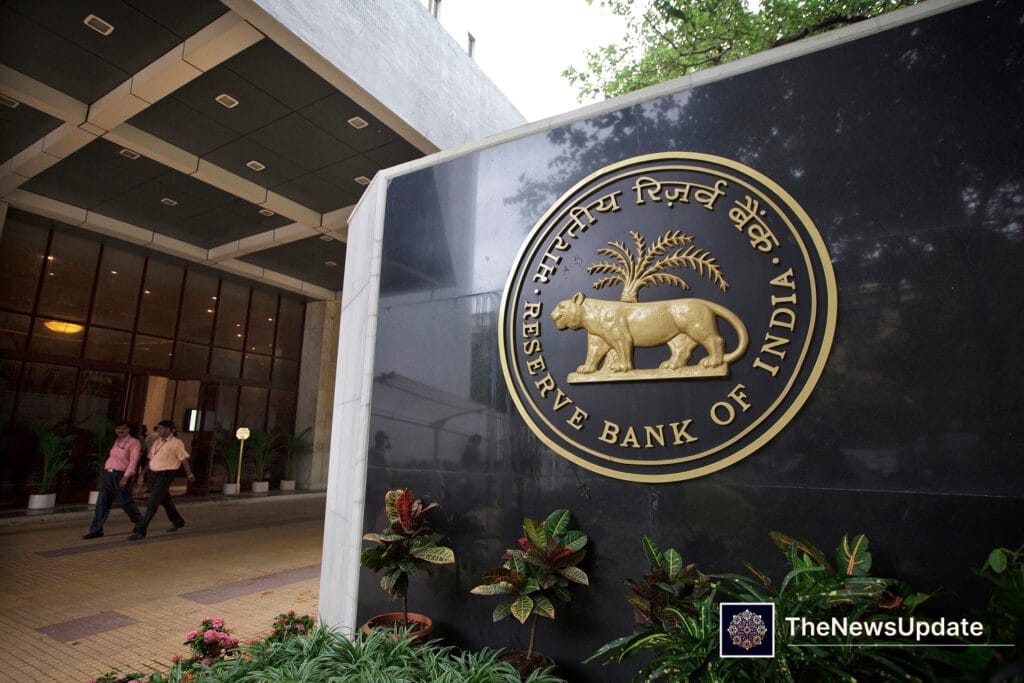
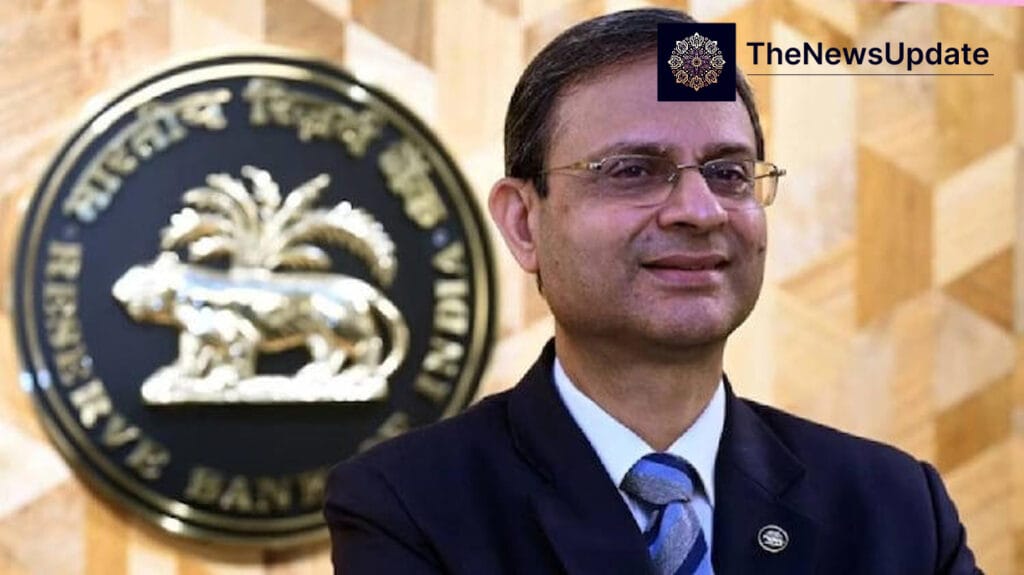
The RBI rate cut today is one of the most awaited events in India’s financial calendar. With the rupee breaching a record low of ₹90 per US dollar and inflation showing signs of easing, traders, investors, and economists are closely watching Governor Sanjay Malhotra and the Monetary Policy Committee (MPC) for any signals about future monetary policy.
Earlier this year, the RBI reduced the repo rate by 100 basis points across three rounds, responding to falling inflation. However, the economic backdrop has shifted significantly. GDP growth remains robust, inflation is manageable, but the sharp depreciation of the rupee and global uncertainties have complicated the decision-making process.
Will the RBI Cut Rates?
Vinayak Magotra, Product Head at Centricity WealthTech, suggests that the RBI is unlikely to announce a rate cut immediately. “Headline inflation has eased, but the improvement does not appear durable due to persistent food price volatility and seasonality,” he said. Magotra also highlighted that uncertainties surrounding the US–India trade deal and global economic conditions warrant caution.
यह भी पढ़े:
 Osman Hadi Killers Fled to India via Meghalaya Border: Dhaka Police Reveal Shocking Escape Route
He explained that the rate cuts earlier in the year are still working their way through the economy. The central bank may prefer to wait and assess their full impact before adding further accommodation. A softer policy stance, rather than an immediate cut, could signal future easing.
Expert Opinions on Possible Cuts
Shubham Gupta, CFA and Co-founder of Growthvine Capital, believes that a small rate cut might be on the table. “Headline inflation has fallen to multi-decade lows, supported by broad-based food disinflation and GST-led softening across multiple categories,” he noted. Elevated real interest rates also provide the RBI room to ease policy, although sticky core inflation and robust growth may hold the central bank back from aggressive action.
Gupta expects a modest 25 basis points cut in the upcoming meeting, with a potential follow-up of another 25 basis points in early 2026, provided inflation remains under control and global conditions remain stable.
यह भी पढ़े:
 Bulldozer Raj Karnataka Demolitions: Congress Govt Faces Backlash After 400 Muslims Left Homeless
Policy Tone May Matter More Than Action
JM Financial Institutional Securities highlighted that the RBI faces a delicate balancing act. While low inflation and strong growth provide space for easing, the rupee’s sharp fall adds complexity. “The RBI has a tough task focusing on its dual mandate of supporting growth while maintaining price stability,” the firm said.
Interestingly, JM Financial noted that currency management does not fall under the MPC’s mandate. Hence, the rupee’s depreciation may not directly drive the policy decision. Instead, the tone of the policy statement could be more impactful than the rate action itself. Any guidance about future easing or liquidity support will be closely scrutinized by markets.
Liquidity Management and Open Market Operations
Liquidity management is expected to play a key role in today’s announcement. The RBI may use Open Market Operations (OMO) to infuse liquidity and support the bond market. Despite currently comfortable liquidity levels, upcoming tax outflows and forex-related pressures could necessitate fresh interventions.

Experts agree that maintaining a status quo with a supportive tone may be the preferred middle path. This approach balances growth support with inflation control while signaling readiness for future policy accommodation.
Market Implications
The financial markets are likely to react more to guidance than to an immediate rate cut. If the RBI indicates a future policy easing stance, it could boost market sentiment and stabilize the rupee. Conversely, a neutral or hawkish tone could trigger short-term volatility.
Investors, businesses, and forex traders will closely monitor the MPC announcement, weighing signals on growth, inflation, and currency management. The coming weeks could also see increased trading activity based on expectations from global cues and domestic monetary policy.

Conclusion
As the RBI rate cut today is announced, markets should focus on the overall tone and guidance provided by the MPC. While a small cut is possible, the central bank may prefer to maintain rates while signaling readiness for future easing. With the rupee at historic lows and global uncertainties ongoing, the RBI’s policy stance will set the tone for India’s financial markets in the coming months.
For further updates on India’s financial policies, inflation trends, and economic outlook, visit our Business News section or check the Latest News page.