Table of Contents
- Introduction: Putin’s Delhi Visit
- India-Russia Strategic and Economic Ties
- Oil Trade: Balancing Interests
- Defence Cooperation and Security Implications
- Geopolitical Significance and Strategic Autonomy
- Challenges and Future Prospects
- Related Reads
Introduction: Putin’s Delhi Visit
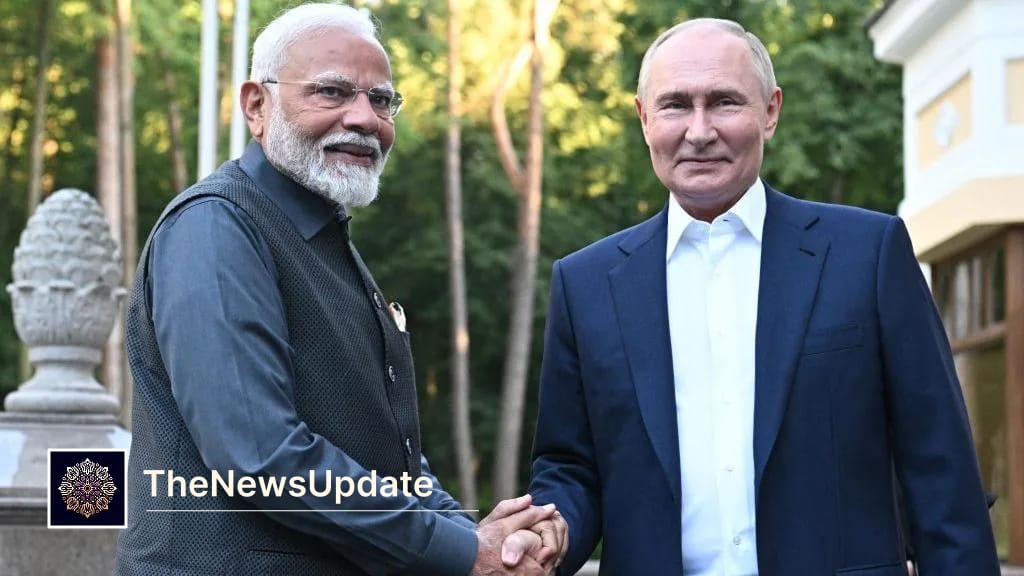
Russian President Vladimir Putin has arrived in India for a two-day visit, warmly welcomed on the runway by Prime Minister Narendra Modi. This annual summit comes amid growing geopolitical tensions, US pressure on India to reduce Russian oil imports, and ongoing global efforts to mediate the war in Ukraine. The visit will see Delhi and Moscow signing multiple deals in sectors spanning energy, defence, and trade.
India-Russia Strategic and Economic Ties
India and Russia share a deep-rooted relationship that dates back to the Soviet era. President Putin and Prime Minister Modi have consistently maintained a personal rapport, reinforcing the “special and privileged strategic partnership” between the two nations. This enduring relationship allows India to exercise strategic autonomy—balancing close ties with Moscow while engaging with Western allies.
यह भी पढ़े:
 Atomic Energy Bill 2025: Cabinet Approves SHANTI Bill, Opens Nuclear Sector to Private Players
Analysts note that India’s geopolitical positioning allows it to negotiate and protect its interests in the energy and defence sectors, while maintaining a nuanced stance on global conflicts. Putin’s visit, therefore, represents more than diplomacy—it is a test of India’s ability to navigate complex global pressures.
Oil Trade: Balancing Interests
India is the world’s third-largest consumer of crude oil, making energy a critical component of Russia-India cooperation. Prior to Russia’s full-scale invasion of Ukraine, India sourced only 2.5% of its oil from Russia. Following sanctions and price incentives, imports surged to 35%. However, recent US-imposed tariffs have prompted India to reduce purchases, creating a delicate balance between securing affordable energy and managing relations with Washington.
For Russia, maintaining India as a key oil customer is crucial to offset sanctions and sustain revenue streams. India, on the other hand, aims to diversify suppliers and mitigate geopolitical risks, while strategically negotiating price and supply terms with Moscow.
यह भी पढ़े:
 India IPO Pipeline 2025: 96 Listings Done, 24 More Coming as ICICI Pru AMC, Meesho & Juniper Line Up
Defence Cooperation and Security Implications
Defence remains a cornerstone of the bilateral relationship. Despite India’s attempts to diversify defence suppliers, Russian platforms remain central. Several Indian air force squadrons still rely on Russian Sukhoi-30 jets and S-400 air defence systems. The recent limited conflict with Pakistan highlighted the indispensable role of Russian equipment, while exposing supply vulnerabilities.
Reports suggest India intends to procure advanced systems, including the S-500 and Su-57 fifth-generation fighter jets. However, Russia’s component shortages due to sanctions may delay deliveries, making Putin’s assurances on timelines a critical outcome of the visit.
Geopolitical Significance and Strategic Autonomy
Putin’s Delhi visit underscores India’s strategic autonomy. Modi must balance pressures from Washington, which imposed a 25% tariff on Indian goods tied to Russian oil purchases, with maintaining a strong alliance with Moscow. European allies, including Germany, France, and the UK, have also voiced concerns regarding India’s engagement with Russia.

Navigating this “diplomatic tightrope,” India seeks to safeguard its autonomy while expanding trade and defence cooperation, asserting its position in a multipolar global order alongside Russia and China.
Challenges and Future Prospects
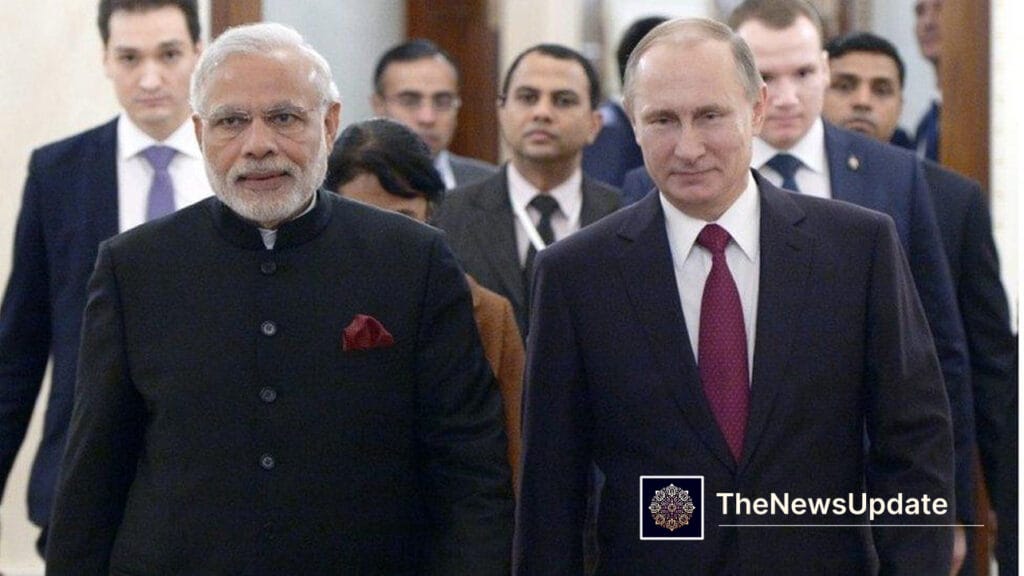
While bilateral trade has grown from $8.1bn in 2020 to $68.72bn in 2025, it remains skewed toward Russian oil. Modi aims to diversify trade beyond energy and defence, promoting Indian consumer goods and technology in Russian markets. Key challenges include ensuring timely delivery of defence systems, managing sanctions, and balancing relations with the US and Europe.
According to the Global Trade Research Initiative (GTRI), “Putin’s visit is not a nostalgic return to Cold War diplomacy. It is a negotiation over risk, supply chains, and economic insulation. A modest outcome will secure oil and defence; an ambitious one will reshape regional economics.”

Related Reads
By The Morning News Informer — Updated 4 December 2025