Table of Contents
- Congress After Electoral Setbacks
- The Spark: Calls for a Bigger Role for Priyanka Gandhi
- ‘Priyanka for PM’ Chorus and Party Discomfort
- Priyanka Gandhi’s Standout Parliament Performance
- Rahul Gandhi’s Leadership Under Scrutiny
- Influence Across Party Lines
- Priyanka vs Rahul: Real Rift or Media Storm?
Congress After Electoral Setbacks
After a series of electoral setbacks in Maharashtra, Haryana, and Delhi, the Congress party is once again confronting uncomfortable questions about leadership and direction.
Amid declining morale and shrinking political space, murmurs within the party have grown louder — calling for a stronger central role for Priyanka Gandhi Vadra. What began as private conversations has now spilled into the public domain, reviving an old debate: is the Congress preparing for another Priyanka Gandhi vs Rahul Gandhi moment?
यह भी पढ़े:
 Osman Hadi Killers Fled to India via Meghalaya Border: Dhaka Police Reveal Shocking Escape Route
The BJP believes so. And so do some voices within the Congress itself.
The Spark: Calls for a Bigger Role for Priyanka Gandhi
The immediate trigger came from senior Odisha Congress MLA Mohammed Moquim, who wrote a letter to Sonia Gandhi questioning the party’s leadership structure and advocating a greater role for Priyanka Gandhi.
In his letter, Moquim also highlighted his inability to meet Rahul Gandhi for nearly three years despite being an elected MLA — a remark that raised eyebrows within the party.
यह भी पढ़े:
 Bulldozer Raj Karnataka Demolitions: Congress Govt Faces Backlash After 400 Muslims Left Homeless
Within a week, the 60-year-old leader was expelled, a move that many saw as a message to dissenting voices.
However, instead of settling the matter, the episode emboldened others to speak up.
‘Priyanka for PM’ Chorus and Party Discomfort
The debate escalated when Saharanpur MP Imran Masood publicly suggested that Priyanka Gandhi would make an excellent prime minister, comparing her potential leadership to that of Indira Gandhi.

Masood’s remarks came while responding to questions about Priyanka’s comments on violence against Hindus in Bangladesh.
“Make her the prime minister and see how she responds, just like Indira Gandhi did,” Masood told ANI, invoking the Gandhi legacy and Pakistan’s defeat in 1971.
The statement caused visible discomfort within the Congress, which has consistently projected Rahul Gandhi as the party’s face against Prime Minister Narendra Modi.
Within hours, Masood issued a clarification, stressing that Rahul Gandhi remained the party’s leader and that his remarks were not meant to undermine him — a damage-control move reportedly prompted by the party high command.
Priyanka Gandhi’s Standout Parliament Performance
The renewed calls for Priyanka’s elevation come at a time when she has drawn significant attention in Parliament.
During the winter session, Priyanka Gandhi delivered two high-profile speeches — one during the Vande Mataram debate and another while opposing the VB-G RAM G Bill to replace MGNREGA.
यह भी पढ़े:
 Canada Hospital Killed Indian-Origin Man: Wife Alleges Medical Negligence After 8-Hour Wait
Her speech targeting the BJP’s repeated attacks on Jawaharlal Nehru stood out for its sharpness, clarity, and controlled aggression.
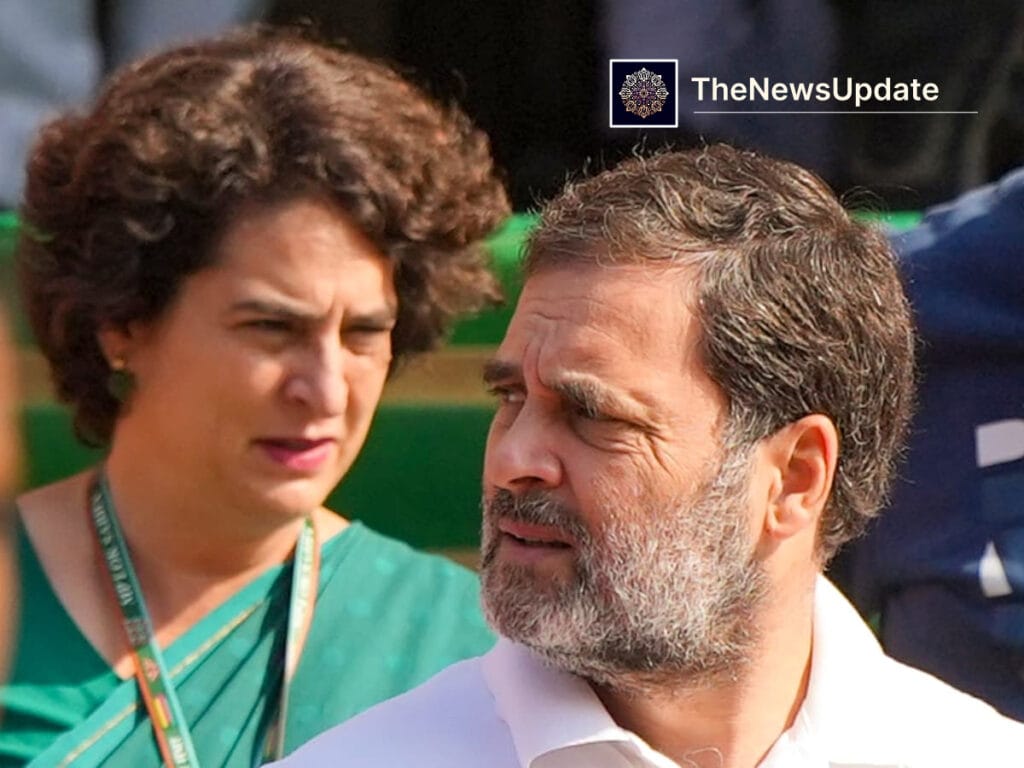
Speaking in fluent Hindi and maintaining a calm yet assertive tone, Priyanka urged the government to stop fixating on the past and focus on governance.
“Whether it is 999 or 9,999 insults, make a list… but let us use Parliament’s precious time for the job people elected us for,” she said, drawing loud applause from Congress benches.
Short clips of her speech went viral, with many observers noting her confident delivery and composure.
Rahul Gandhi’s Leadership Under Scrutiny
In contrast, Rahul Gandhi’s speech during the same session failed to generate similar enthusiasm.
Sticking to his familiar theme of alleged vote theft, Rahul’s remarks were criticised for veering off-topic. Parliamentary Affairs Minister Kiren Rijiju even pointed out that Rahul did not address electoral reforms during the debate.

When compared side by side, the difference was striking — Priyanka’s speech drew applause and traction, while Rahul’s struggled to hold attention.
This contrast has quietly reinforced perceptions within sections of the party that Priyanka is emerging as a more effective communicator in Parliament.
Influence Across Party Lines
Priyanka Gandhi’s growing influence was also visible beyond speeches.
During Question Hour, she publicly mentioned that she had been seeking an appointment with Transport Minister Nitin Gadkari since June. Gadkari immediately invited her to his office.
Images of the two leaders chatting over tea soon went viral, symbolising her ability to engage with political opponents without acrimony.
Priyanka later said the meeting helped draw attention to six pending infrastructure projects in Kerala.
She also attended the Lok Sabha Speaker’s tea party — the first time in two years that a member of the Gandhi family had done so — and was seen sharing light moments with Prime Minister Modi and Defence Minister Rajnath Singh.
Supporters argue this demonstrates her capacity to balance rivalry with cooperation.
Priyanka vs Rahul: Real Rift or Media Storm?
Despite the buzz, political observers caution against reading too much into the moment.

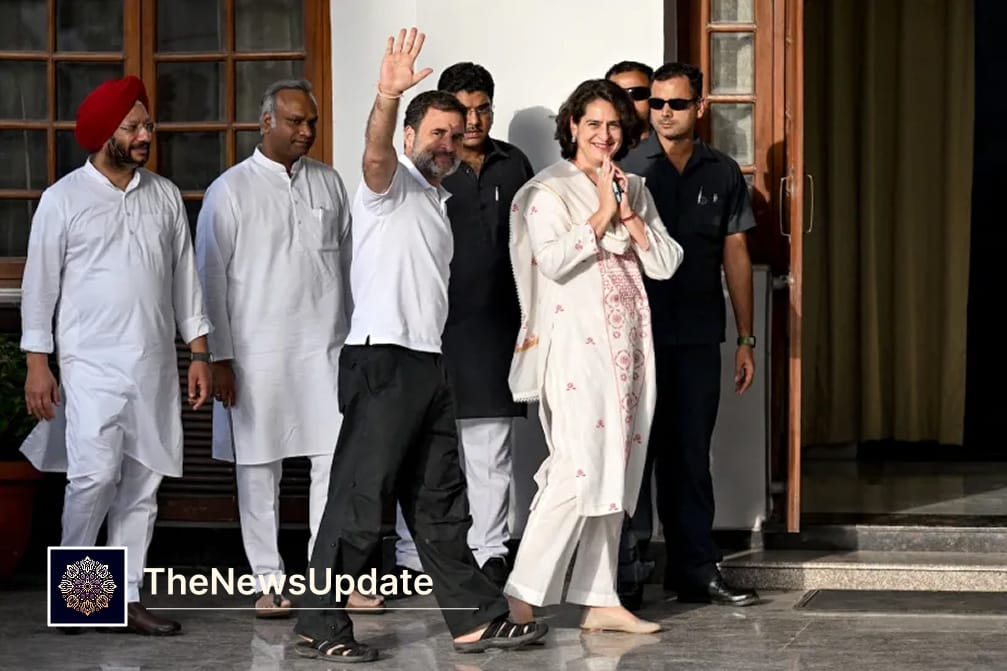
Political analyst and author Rasheed Kidwai dismissed the narrative as exaggerated, noting that Rahul Gandhi remains the party’s principal leader.
“In parties with dynastic streaks, there is always a tendency to spotlight one family member over another. In Congress, the shining star remains Rahul Gandhi,” Kidwai said.
He added that Priyanka herself has referred to Rahul as her leader, calling the controversy “a storm in a teacup.”
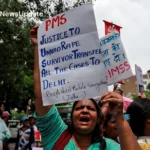
While Priyanka Gandhi is increasingly seen as relatable, accessible, and effective, the Congress leadership insists there is no leadership tussle.
Still, as Priyanka’s visibility grows and Rahul’s leadership continues to face scrutiny, the party will have to carefully manage perceptions to avoid damaging “Rahul vs Priyanka” headlines.
Other Reads
By The Morning News Infromer | Updated December 24, 2025