Table of Contents
Key Highlights
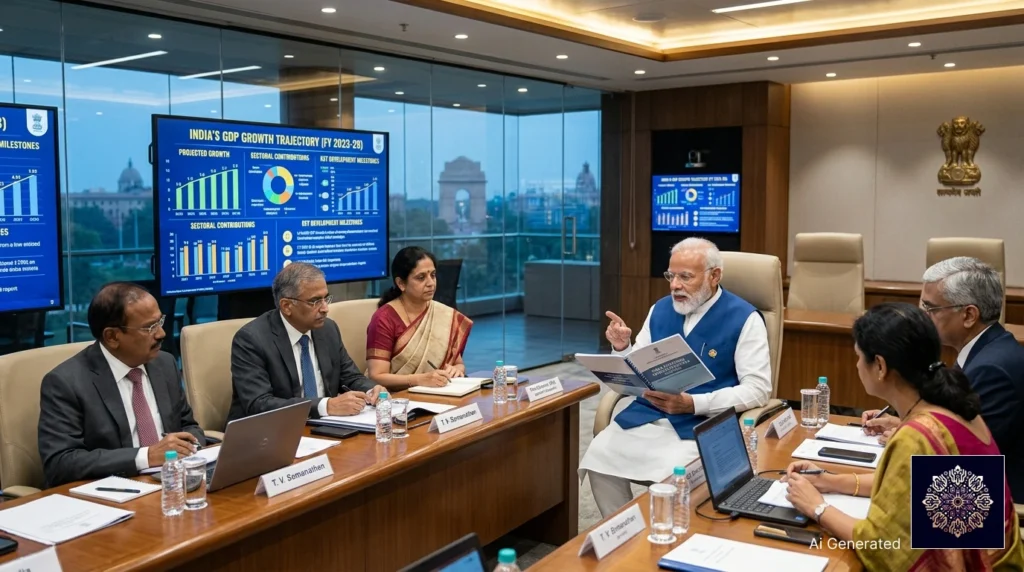
- Prime Minister Narendra Modi reviewed India’s economic growth measures and development priorities.
- The discussions focused on investment, infrastructure, job creation, and industrial growth.
- Policymakers continue to emphasize manufacturing, technology, and innovation as growth drivers.
- Businesses are closely watching upcoming policy decisions and reform initiatives.
- India remains one of the fastest-growing major economies globally.
Quick Facts
| Category | Details |
|---|---|
| Topic | Economic Growth Review |
| Focus Areas | Investment, Jobs, Infrastructure |
| Led By | Prime Minister Narendra Modi |
| Key Stakeholders | Businesses, Investors, Industries |
| Objective | Long-Term Economic Growth |
Why The Economic Review Matters
Economic growth remains one of the most important priorities for any government. Strong growth creates jobs, attracts investment, increases incomes, and improves living standards.
Prime Minister Narendra Modi’s review of economic growth measures comes at a time when global economies continue to face uncertainty from inflation pressures, geopolitical tensions, and changing trade patterns.
For India, maintaining strong growth momentum is essential not only for domestic development but also for strengthening its position as a major global economic power.
Businesses, investors, and market participants are paying close attention to the government’s economic agenda because policy decisions made today could shape investment opportunities and growth prospects for years to come.
India’s Economic Growth Journey
Over the past decade, India has emerged as one of the world’s fastest-growing large economies.
Several factors have contributed to this growth:
- Expansion of digital infrastructure
- Rising domestic consumption
- Increased foreign investment
- Manufacturing growth
- Infrastructure development
- Startup ecosystem expansion
These developments have helped strengthen India’s economic foundation while creating new opportunities across multiple industries.
Major Areas Under Review
The government’s economic review reportedly focused on several strategic priorities.
| Growth Area | Importance |
|---|---|
| Infrastructure | Supports long-term development |
| Manufacturing | Creates jobs and exports |
| Technology | Drives innovation |
| Investment | Expands economic activity |
| Employment | Improves household income |
| Startups | Encourages entrepreneurship |
Each of these areas plays a critical role in supporting sustainable economic growth.
Infrastructure Remains A Key Priority
Infrastructure investment continues to be one of the strongest drivers of economic expansion.
Large-scale projects involving:
- Roads
- Railways
- Airports
- Ports
- Logistics networks
- Urban development
have the potential to improve productivity while creating millions of direct and indirect jobs.
Economists often view infrastructure spending as one of the most effective ways to stimulate economic activity because it generates benefits across multiple sectors.
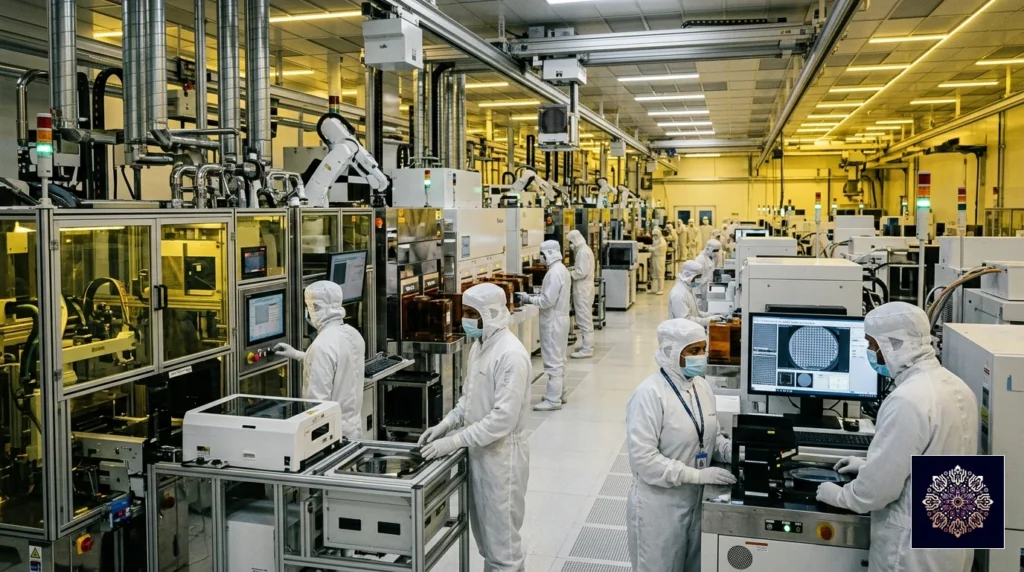
Manufacturing And Make In India
Manufacturing remains central to India’s long-term growth ambitions.
The government’s focus on domestic production aims to:
- Reduce import dependence
- Increase exports
- Create skilled employment
- Strengthen supply chains
- Attract global companies
Many analysts believe India’s manufacturing sector could become a major contributor to GDP growth over the next decade as global businesses diversify their supply chains.
Job Creation And Employment
Employment generation remains one of the most important economic priorities.
A growing economy must create opportunities for:
- Young professionals
- Skilled workers
- Entrepreneurs
- Small business owners
- Rural communities
Government initiatives aimed at skill development, industrial expansion, and entrepreneurship are expected to play a significant role in supporting employment growth.
Why Businesses Are Watching Closely
Business leaders are paying close attention to economic policy discussions because government decisions can directly influence:
- Investment planning
- Hiring strategies
- Expansion decisions
- Capital expenditure
- Market confidence
Clear policy direction often encourages businesses to increase investments and accelerate growth initiatives.
Foreign Investment And Global Confidence
India continues to attract significant international interest from investors seeking long-term growth opportunities.
Several factors make India attractive:
- Large consumer market
- Growing middle class
- Expanding digital economy
- Skilled workforce
- Improving infrastructure
As global companies evaluate future investments, policy stability and economic reforms remain important considerations.
The Role Of Technology In Future Growth
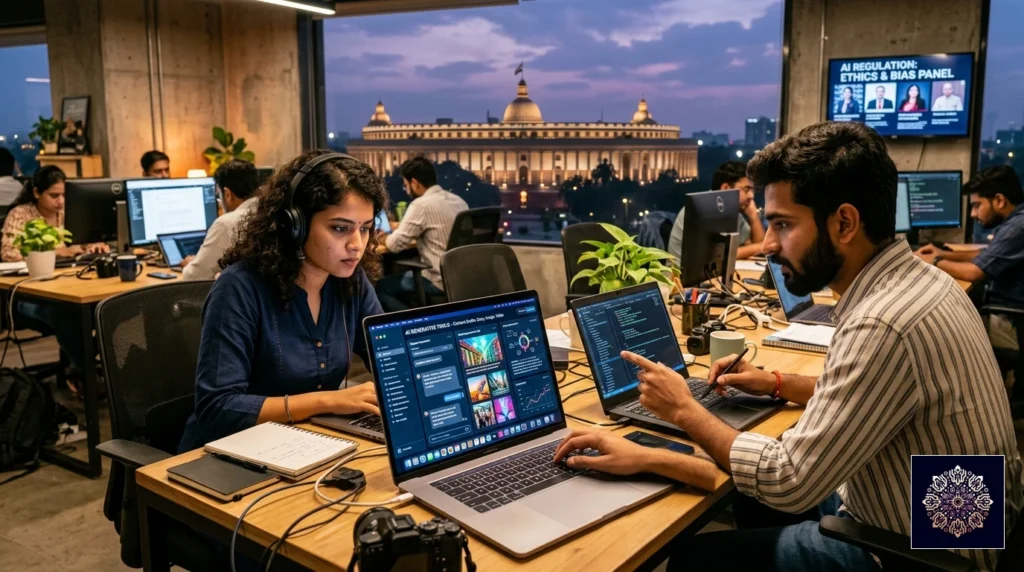
Technology is increasingly becoming a major driver of economic development.
Areas expected to contribute significantly include:
- Artificial Intelligence
- Fintech
- Digital Payments
- E-commerce
- Semiconductor Manufacturing
- Cloud Computing
Government support for technology innovation could further strengthen India’s competitive position in the global economy.
Impact On Small And Medium Businesses
Small and medium enterprises (SMEs) form the backbone of India’s economy.
These businesses contribute significantly to:
- Employment generation
- Manufacturing output
- Exports
- Regional development
Economic growth measures that improve access to financing, infrastructure, and digital tools can help SMEs expand more efficiently.
Challenges That Remain
Despite strong growth prospects, several challenges remain.
Key Challenges
- Global economic uncertainty
- Inflation management
- Energy costs
- Supply chain disruptions
- Employment generation
- Global trade tensions
Addressing these challenges will require a combination of policy reforms, investment, and private-sector participation.
Expert Analysis
Economists generally agree that India’s long-term growth outlook remains positive.
The combination of:
- Demographic advantages
- Infrastructure expansion
- Digital transformation
- Manufacturing growth
- Investment inflows
creates a strong foundation for future economic development.
However, experts also emphasize that sustained growth requires continuous reforms and efficient implementation of policies.
What Businesses Should Watch Next
Several developments could shape the next phase of India’s growth story:
- New investment initiatives
- Infrastructure announcements
- Manufacturing incentives
- Employment programs
- Technology sector policies
- Trade and export measures
Business leaders and investors will closely monitor these areas for signals about future opportunities.
Frequently Asked Questions
Why did PM Modi review economic growth measures?
The review focused on assessing progress and identifying strategies to strengthen investment, employment, infrastructure, and long-term economic growth.
Why is economic growth important?
Economic growth creates jobs, increases incomes, supports business expansion, and improves living standards.
Which sectors may benefit most?
Infrastructure, manufacturing, technology, logistics, and startups are among the sectors expected to benefit from growth-focused policies.
How does economic growth affect businesses?
Stronger growth often increases consumer demand, investment activity, and business confidence.
What are India’s biggest economic strengths?
A large consumer market, digital economy, skilled workforce, and expanding infrastructure remain key advantages.
Key Takeaway
Prime Minister Narendra Modi’s review of India’s economic growth strategy highlights the government’s continued focus on investment, infrastructure, manufacturing, innovation, and job creation. As India seeks to maintain its position among the world’s fastest-growing major economies, businesses and investors will be watching closely for policy measures that can accelerate growth, improve competitiveness, and create new opportunities across sectors. The decisions made today could play a significant role in shaping India’s economic future over the coming decade.