Perumbakkam Colony Voter ID Crisis: 26,000 Families at Risk of Losing Voting Rights
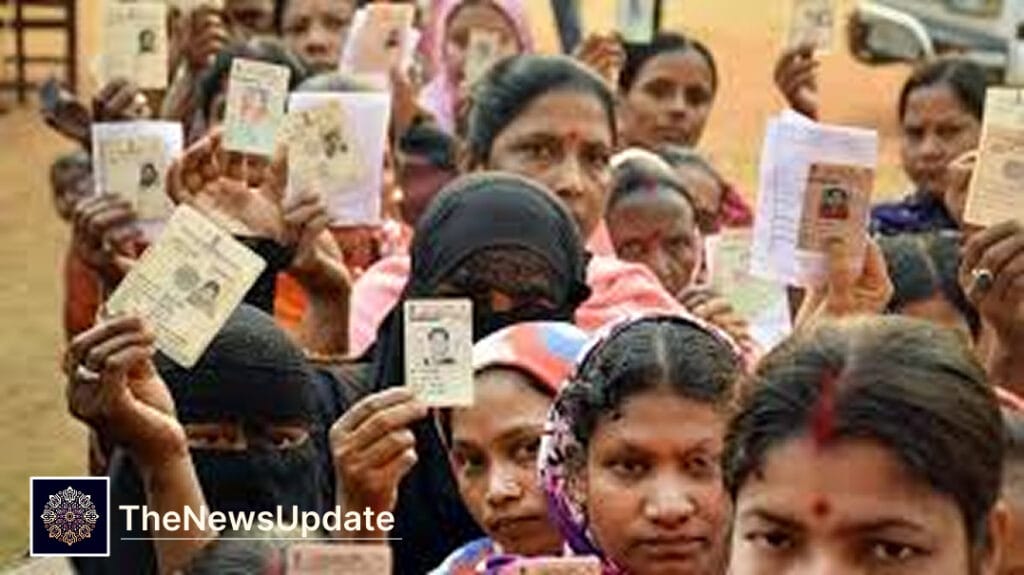
Chennai’s Perumbakkam resettlement colony is at the centre of a potential electoral crisis. Nearly 26,000 families may lose their right to vote due to incomplete address details on their voter ID cards. While residents are legally eligible to vote, the Election Commission is struggling to verify individuals amid massive overlaps and missing information in official records. This chaotic situation threatens the fundamental voting rights of thousands and has sparked calls for immediate corrective action.
Table of Contents
- Background: Perumbakkam Resettlement Colony
- Address Gaps and Overlaps
- The BLO Struggle
- Statewide Protests and Public Response
- Challenges for the Election Commission
- Conclusion
Background: Perumbakkam Resettlement Colony
Perumbakkam is one of the largest resettlement colonies in Tamil Nadu, created to rehabilitate families relocated from across Chennai. Over the past decade, residents were issued Aadhaar cards, voter IDs, and ration cards. However, a critical oversight has left many documents incomplete — most voter IDs carry only a door number without specifying the block number. This small omission has created significant problems in a township that spans nearly 200–250 blocks.
Local authorities report that only about 3,000 of 26,000 families have complete and traceable addresses. The remaining families are tagged with vague, duplicated, or even incorrect locations, leaving them effectively invisible on the electoral rolls.
Address Gaps and Overlaps
The incomplete address details have created alarming overlaps. For instance, records show 177 residents sharing the same Door No 1 without any block number. In another case, 16 residents were registered under Door No 29. Such overlaps are widespread across the colony and make it nearly impossible for authorities to differentiate between households during the Summary Revision (SIR) exercise.
Experts warn that this kind of chaos not only undermines electoral integrity but also violates citizens’ fundamental right to vote. Nallathambi, President of the Perumbakkam Residents Welfare Association, stated, “It’s impossible for BLOs to find people with just a door number. The government issued new documents, but all with incomplete addresses. How do they expect anyone to trace voters like this?”

The BLO Struggle
Booth Level Officers (BLOs) are at the frontline of the verification process. One BLO described her struggle to India Today: she was able to distribute only 24 forms in a day, despite having a target of reaching 935 voters. She has managed just 150 so far, barely 16%, with less than two weeks remaining for the SIR process.
With such logistical challenges, thousands of residents risk being excluded from the electoral process, not due to ineligibility but because of bureaucratic oversight. The BLOs’ inability to locate voters highlights the urgent need for systematic corrections in official documents.
Statewide Protests and Public Response
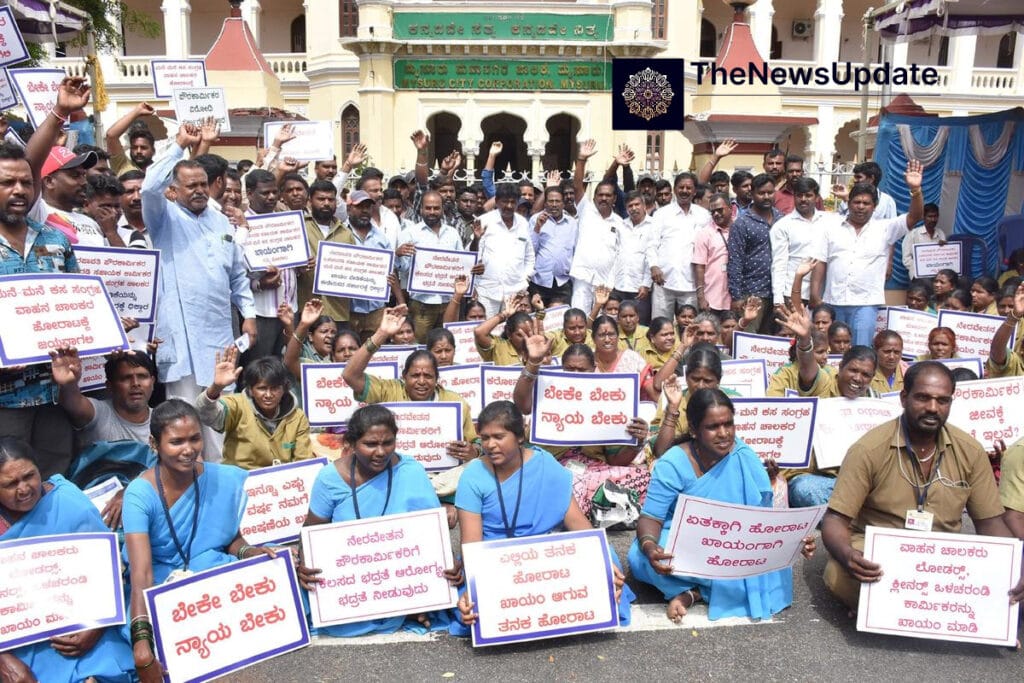
Amid rising concern over these irregularities, a statewide protest has been announced for November 16, 2025. Demonstrations are planned from 11 am at all district headquarters in Tamil Nadu. Residents and activists are demanding immediate corrective action to ensure that the electoral rights of Perumbakkam’s 26,000 families are preserved.

Political analysts argue that the issue is symptomatic of a larger administrative problem affecting urban resettlement colonies. Incomplete addresses not only affect voting rights but also hamper access to welfare schemes, healthcare, and civic services.
Challenges for the Election Commission
The Election Commission faces unprecedented challenges in ensuring voter verification. Traditional methods fail in large resettlement colonies like Perumbakkam, where door numbers are duplicated and block numbers are missing. Even technological solutions such as GIS mapping and online databases struggle to compensate for incomplete ground-level data.
The EC may need to implement emergency measures, including:

- Door-to-door verification campaigns with enhanced manpower
- Temporary use of landmark-based identification in lieu of block numbers
- Community coordination to assist BLOs in mapping accurate addresses
- Extension of deadlines for Summary Revision to prevent disenfranchisement
Without such measures, there is a risk that thousands of voters could be disenfranchised in the upcoming elections, raising both legal and ethical concerns.
Conclusion
The Perumbakkam voter ID crisis serves as a stark reminder of the importance of accurate administrative records in a functioning democracy. Nearly 26,000 families in the colony may face disenfranchisement, not due to legal ineligibility but because of incomplete addresses and administrative lapses.
As the statewide protests approach and the Election Commission scrambles to find solutions, the need for systemic reforms is clear. Accurate documentation, proper verification, and timely intervention are critical to safeguarding citizens’ fundamental right to vote. Failure to act risks not just disenfranchisement but also erosion of public trust in the electoral process.

Related Reads
By The News Update — Updated 15 Nov 2025