Table of Contents
- Lead: Taliban’s allegation and why it matters
- What was said: Taliban claims in brief
- Historical context: Civil–military relations in Pakistan
- The US drone angle and operational claims
- Implications for Kabul, Islamabad and the region
- Official responses and diplomatic fallout
- What to watch next
- Related reads
Lead: Taliban’s allegation and why it matters
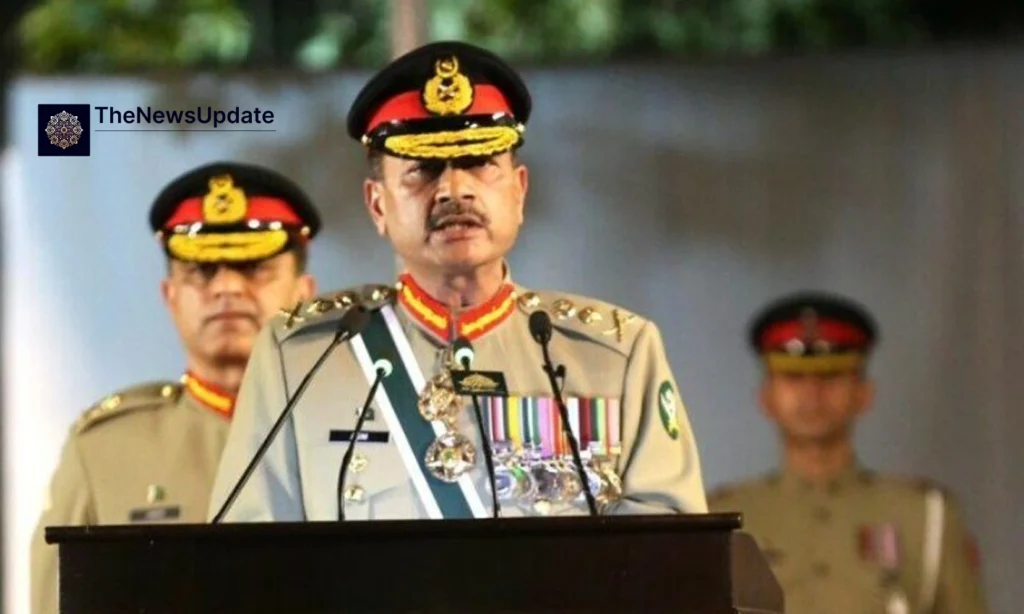
A claim by Afghanistan’s Taliban spokesperson that the Pakistan Army — reportedly led by Field Marshal Asim Munir — is operating around Afghan affairs independently of Prime Minister Shehbaz Sharif has reignited long-standing concerns about Pakistan’s civil–military balance and its impact on regional stability. The allegation, combined with reports that US drones have used Pakistani airspace to strike targets in Afghanistan, raises uncomfortable questions about sovereignty, accountability and the true chain of command behind cross-border operations.
What was said: Taliban claims in brief
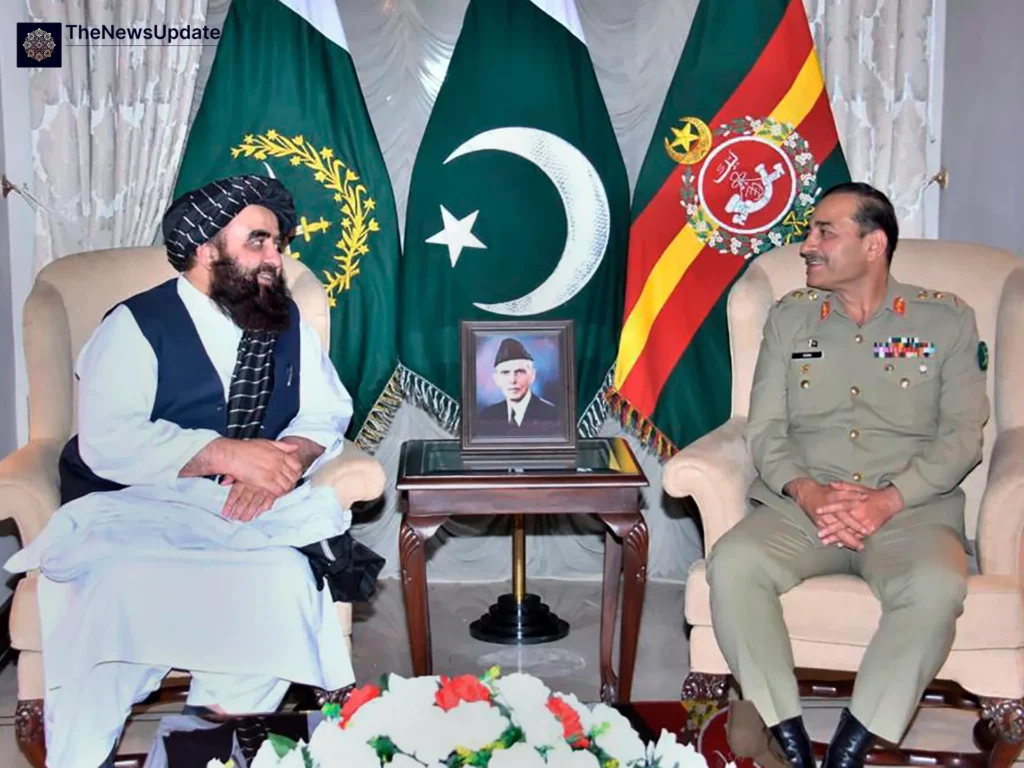
Taliban spokesperson Zabihullah Mujahid told local and regional media that certain factions within Pakistan’s military have been deliberately sustaining tensions with Kabul. According to the Taliban account, Islamabad’s civilian diplomats pursued talks while elements of the military allegedly continued operations that undermined those diplomatic efforts. The Taliban also suggested that foreign powers, including the US, may be using Pakistani airspace for drone operations over Afghanistan — a claim that, if substantiated, would complicate Islamabad’s official positions and its relations with Kabul.
यह भी पढ़े:
 Osman Hadi Killers Fled to India via Meghalaya Border: Dhaka Police Reveal Shocking Escape Route
Whether every detail of the Taliban’s narrative is independently verifiable, the statement is significant because it brings into focus the persistent theme of parallel authority in Pakistan: the idea that military institutions sometimes act with autonomy from elected civilian governments, especially on matters of foreign policy and security.
Historical context: Civil–military relations in Pakistan
The notion of Pakistan’s military exercising outsized influence is not new. Since the state’s founding, the military has played an outsized role in foreign and security policy, particularly toward Afghanistan and India. Civilian governments have periodically been sidelined; generals have led governments; and security institutions have often preferred hard-power options over diplomatic engagement. That history makes allegations that the army is “bypassing” a civilian government immediately plausible to regional observers and warrants careful scrutiny.
Under the suggested focus phrase — Pakistan Army bypassing Sharif government in Afghanistan tensions — analysts will track three interlocking threads: the military’s chain of command and influence; Pakistan’s policy toward the Taliban-era Kabul; and how foreign operations (including drone strikes) are being coordinated or tolerated.
यह भी पढ़े:
 Bulldozer Raj Karnataka Demolitions: Congress Govt Faces Backlash After 400 Muslims Left Homeless
The US drone angle and operational claims
The Taliban’s statement that US drones traversed Pakistani airspace to strike targets in Afghanistan reopened a sensitive debate about operational cooperation and Pakistani sovereignty. Islamabad has, at times, cooperated with Washington on counterterrorism, but it has also publicly bristled when its airspace or territory is used without transparent oversight.
If US drone operations are indeed using Pakistani air corridors with tacit consent, the arrangement would suggest a complex triangle of interaction: US operational need, Pakistani facilitation or exhaustion, and Afghan consequences. This does not necessarily prove a single unified policy inside Pakistan; rather, it may reflect compartmentalised decision-making where military actors coordinate directly with external partners for tactical aims while civilian wings manage diplomacy.
Implications for Kabul, Islamabad and the region
The potential consequences of an effective military bypass are profound:

- Credibility of civilian leadership: If the army is perceived as taking independent action, the authority and legitimacy of the Shehbaz Sharif government could be weakened at home and abroad.
- Peace process fragility: Diplomatic efforts with Kabul are fragile; covert operations or mixed messaging can unravel nascent confidence-building initiatives.
- Regional escalation risk: Uncoordinated kinetic actions — cross-border strikes or special operations — risk civilian casualties and a rapid escalation of hostilities.
- Great-power dynamics: US use of Pakistani routes for drone operations would entangle Islamabad more deeply in US strategic calculations, potentially alienating other regional partners and complicating Pakistan’s relationship with Tehran, Beijing and Moscow.
For Kabul, perceptions that Islamabad is simultaneously engaged in diplomacy while harbouring or enabling military action are corrosive. For Pakistan’s neighbours and partners, the prospect of an active domestic security establishment operating with autonomy raises the spectre of miscommunication and miscalculation.
Official responses and diplomatic fallout
At the time of writing, official statements from Islamabad have been cautious: civilian leaders reiterate a commitment to sovereignty and diplomatic channels, while military spokespeople typically emphasise operational necessity and security prerogatives. Kabul’s reaction — encapsulated in the Taliban spokesperson’s strong public comments — reflects frustration and rising distrust.
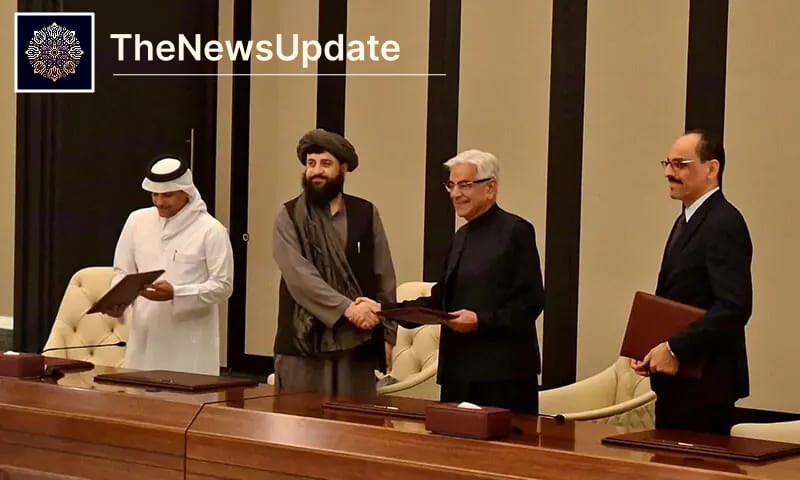
Diplomatically, third parties like Qatar and Turkey — which recently hosted talks — may face greater difficulty shepherding dialogue if either side believes the other is not negotiating in good faith. Similarly, the United States’ own posture — including visits and meetings with Pakistani military leadership — will be scrutinised for signs that Washington is implicitly condoning or coordinating unilateral military options.
What to watch next
Observers and policymakers should monitor several indicators over the coming weeks:
- Official clarifications: Will Islamabad’s civilian and military spokespeople offer a unified explanation of recent cross-border incidents and the alleged drone flights?
- Third-party mediation: Can mediators rebuild trust by securing verifiable confidence-building measures between Kabul and Islamabad?
- Operational signs: Satellite imagery, independent reporting and third-party monitoring may confirm or dispute claims of cross-border strikes and the routes used by drones.
- Domestic politics: How will Pakistani political actors, including opposition parties and civil society, react if evidence surfaces of military bypassing civilian command?
In the absence of transparent, independently verifiable reporting, assertions will remain contested — but their strategic effects are immediate. Even the allegation that a military is bypassing an elected government can harden positions, reduce trust and make diplomacy more difficult.
Expert assessment: balancing evidence with strategic reading
Analysts caution against treating the Taliban’s claims as definitive proof. The group has incentives to frame Islamabad as an adversary when it suits its narrative. Yet, the claim also aligns with long-observed patterns in Pakistan’s civil–military relations and with past instances where military agencies operated with independent leeway on security matters.
यह भी पढ़े:
 Canada Hospital Killed Indian-Origin Man: Wife Alleges Medical Negligence After 8-Hour Wait
A pragmatic reading suggests a layered reality: some military actors in Pakistan may pursue operational goals that diverge from civilian diplomacy, while Islamabad’s elected leaders continue to seek international legitimacy and regional engagement. Third-party mediation, independent monitoring and transparent inquiry would be the best ways to resolve competing narratives and reduce the risk of future flare-ups.
Related reads
— Updated November 3, 2025. Edited for SEO and structured reporting by The Morning News Informer.