child abuse in Somalia
The brutal murder of a 14-year-old orphan girl in Somalia has shaken the nation, ignited widespread protests, and reopened a long-simmering debate about child protection, justice, and the limits of family privacy in a deeply traditional society. The death of Saabirin Saylaan in November did not just end a young life; it exposed systemic failures that have allowed abuse against children to remain hidden, unreported, and unpunished for generations.
As graphic details of the case emerged, public outrage grew rapidly, particularly among women and young people who saw Saabirin’s story as emblematic of the suffering endured by countless children across Somalia. Her murder has now become a rallying point for calls to enforce child protection laws, strengthen state intervention, and ensure that justice is not sacrificed in the name of tradition or clan reconciliation child abuse in Somalia.

A Crime That Shocked a Nation
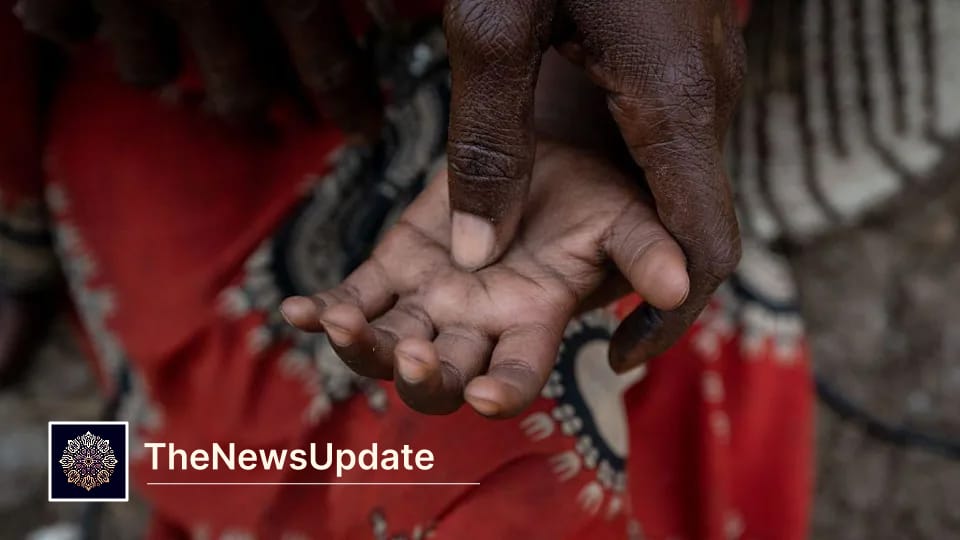
Saabirin Saylaan was just one year old when she lost both her parents within a short period. With both of her grandmothers also deceased, her early childhood was marked by loss and vulnerability. She was eventually taken in by her late mother’s aunt, who ensured that Saabirin attended school and received religious education at a traditional Quranic school.
Her life took a devastating turn in September, when her great-aunt agreed to let her live with another family in Galkayo, a city in Somalia’s semi-autonomous Puntland region. The family, headed by 34-year-old Hodan Mohamud Diiriye, reportedly needed domestic help. What was presented as an opportunity for care and stability instead became a nightmare of sustained violence.
According to police investigations, during the two months Saabirin lived in the household, she was subjected to routine physical abuse. Investigators described a pattern of beatings and torture that escalated over time. The abuse ultimately culminated in her death in November, sending shockwaves through the local community and far beyond.

Disturbing Evidence and a Rare Conviction
The investigation into Saabirin’s death uncovered harrowing evidence. Videos and audio recordings retrieved from Diiriye’s mobile phone documented repeated acts of violence against the teenager. Some of these recordings were leaked to the public before the trial, though it remains unclear who released them child abuse in Somalia.
One audio recording, in particular, horrified the nation. In it, Diiriye can be heard telling the child: “I’m enjoying your pain.” The words became a grim symbol of the cruelty Saabirin endured and fueled public anger.
A post-mortem examination revealed multiple injuries and deep stab wounds, indicating prolonged and severe abuse. Medical findings supported the prosecution’s case that Saabirin had suffered sustained violence before her death.

In a rare and significant move, a Somali court convicted Diiriye of murder and sentenced her to death. While Diiriye denied the charges and her lawyer has filed an appeal, the verdict marked one of the few instances in Somalia where the justice system imposed the harshest penalty for child abuse.
Diiriye’s husband, 65-year-old Abdiaziz Nor, was acquitted of murder but convicted of negligence. He received a one-year prison sentence and was fined $500. For many activists, this outcome raised further questions about accountability and whether all those responsible had truly been brought to justice.
Protests and Public Anger in Galkayo
As news of the abuse and murder spread, hundreds of people took to the streets in Galkayo. Women and young people led marches carrying placards reading “Justice for Saabirin,” demanding accountability and stronger protections for children.

Protesters gathered outside the local hospital where Saabirin’s body lay in the morgue, turning the area into a focal point for grief and anger child abuse in Somalia. Demonstrations intensified as more details of the case became public.
During one protest, clashes erupted between demonstrators and police. Amid the chaos, a young man was shot dead. It remains unclear who fired the fatal bullet, further deepening tensions and underscoring how volatile the situation had become.
Online, young women and girls launched solidarity campaigns, using hashtags bearing Saabirin’s name. Videos and messages flooded social media platforms, amplifying calls for justice and reform.

“No child should die like this,” said 18-year-old protester Aniiso Abdullahi in a tearful video shared widely online. “We also reject attempts by traditional elders to resolve this case behind closed doors.”
Tradition, Clan Justice, and the Silencing of Victims
At the heart of the controversy surrounding Saabirin’s murder lies a broader tension between Somalia’s traditional conflict-resolution mechanisms and the formal justice system.
In many cases of abuse or violence, clan elders intervene to mediate disputes, aiming to prevent revenge attacks and restore peace between families. Compensation is often agreed upon, and cases are settled privately without establishing criminal responsibility.

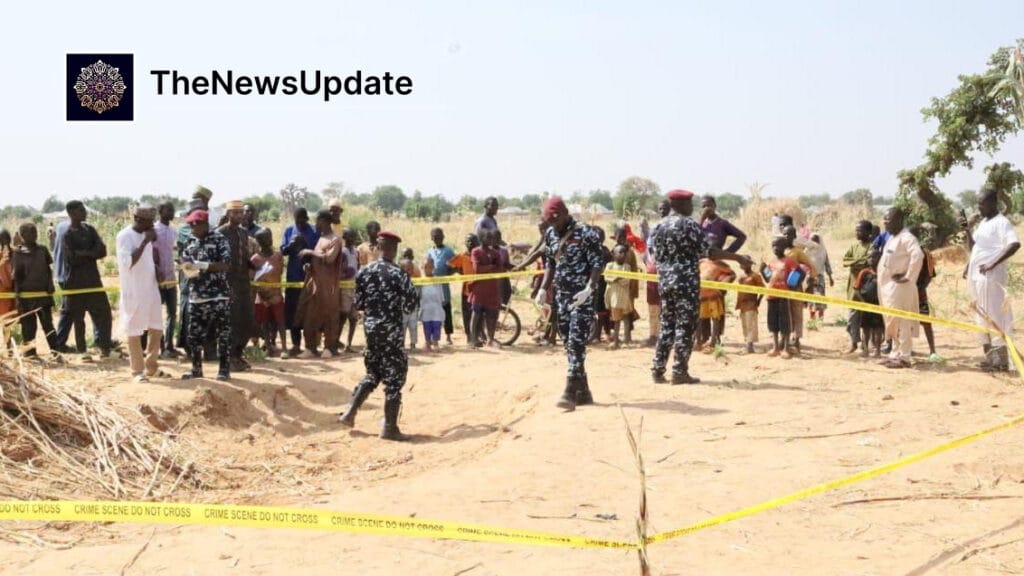
While this system has historically helped maintain social cohesion, critics argue that it prioritises stability over justice—particularly for women and children. Victims’ voices are frequently excluded, and serious crimes may go unpunished.
Many protesters explicitly rejected any attempt to resolve Saabirin’s case through clan negotiations. For them, her death represented a line that should never be crossed.
Child Abuse Behind Closed Doors
Child abuse in Somalia often remains hidden within households. Extended families are traditionally viewed as safe, private spaces where state intervention is discouraged or even considered taboo.

Najeb Wehelie, director of the child rights organisation Dhoodaan, said Saabirin’s case exposed “profound gaps” in protecting children’s basic human rights.
“Children continue to face violence inside family homes, and only the most extreme cases ever reach the police,” he said.
According to child welfare advocates, many abused children do not know they have the right to speak out, and schools often fail to educate students about reporting mechanisms.

Recent cases suggest that Saabirin’s death is part of a much larger pattern. In June, police in Mogadishu arrested a woman accused of severely abusing her three-year-old stepson. The case was reported only after the child’s injuries became impossible to hide.
A Grim Pattern of Violence
Data from humanitarian organisations paints a disturbing picture. According to Save the Children in Somalia, October and November alone saw at least three horrific acts of violence against children.
These included the murder of four young children in an arson attack in Hargeisa, the violent rape of an 11-year-old girl in Puntland, and the killing of a mother and her three daughters in central Somalia.

Shukri Abdi, head of a local women’s association in Galkayo, said communities are overwhelmed by cases of domestic violence, many of which never reach the courts.
“What people see in Saabirin’s case is only the tip of the iceberg,” she said. “There are many more children suffering in silence.”
Legal Reforms and Lingering Doubts
In October, Somalia’s parliament ratified the African Charter on the Rights and Welfare of the Child, a significant step on paper toward stronger child protection.

The charter outlines comprehensive measures, including criminalising all forms of child abuse, strengthening penalties for negligent or abusive guardians, ensuring state responsibility for orphaned and vulnerable children, and establishing monitoring systems in schools, hospitals, and communities.
However, optimism was quickly tempered. Just days after ratification, the Ministry of Family and Human Rights Development issued a clarification stating that the charter would be implemented in accordance with Islamic law and the Somali constitution.
The ministry emphasised that parental authority remained fundamental and that no external entity could override it. It also noted that provisions restricting marriage before the age of 18 conflicted with Sharia, which allows marriage upon reaching puberty.

For activists, these caveats raised fears that enforcement would remain weak.
Challenges in Enforcement
Women’s and children’s rights activist Fadumo Ahmed argues that Somalia already has laws on paper that are poorly enforced.
“The police lack capacity, social services are limited, and clan elders often interfere in cases,” she said. “This undermines the justice system and silences victims.”

She added that in many cases similar to Saabirin’s, families reach private agreements and inform authorities that the matter has been resolved, effectively closing the case.
Officials, however, dispute claims that the state is failing entirely. Shukri Ahmed Hussein, coordinator for Puntland’s Ministry of Women’s Development and Family Affairs, pointed to programmes aimed at protecting street children and rehabilitating youth formerly recruited by armed groups.
She acknowledged that cases like Saabirin’s are difficult to detect early but stressed that awareness campaigns are needed so people feel empowered to report suspected abuse.

“Every child in Puntland has the right to be removed from any household where they do not feel safe,” she said.
Justice Delayed or Justice Denied?
Regional police commander Mohamud Abdihakim described the verdict in Saabirin’s case as a milestone.
“If further evidence emerges proving that additional individuals were involved, the law will be fully applied to them,” he said.

Yet for many protesters, the verdict alone is not enough. Concerns remain about delays, appeals, and whether the sentence will ultimately be carried out.
“There is nothing to celebrate yet,” said young activist Abdikadir Ali in a social media message. “We don’t want justice in words. We want to see it with our own eyes.”
A Legacy of Pain and a Call for Change
Saabirin Saylaan’s life was marked by loss, vulnerability, and ultimately, unimaginable cruelty. Her death has forced Somalia to confront uncomfortable truths about how children are treated, protected, and too often forgotten.

While her case has sparked unprecedented public debate and rare judicial action, activists warn that true justice will only come when systemic reforms are implemented, enforcement is strengthened, and society no longer looks away from abuse hidden behind closed doors.
Whether Saabirin’s death will become a turning point or fade into yet another tragic statistic remains uncertain. What is clear, however, is that her story has left an indelible mark on Somalia’s conscience—and a demand that no child should ever suffer as she did.