Table of Contents
- What changed — the headline
- How the new Sora limits and pricing work
- Why OpenAI is charging: GPUs, growth and sustainability
- The Sora “creator economy” and cameos
- Availability, platform limits and geographic rollout
- What this means for users, creators and competitors
- Verdict & what to watch next
What changed — the headline
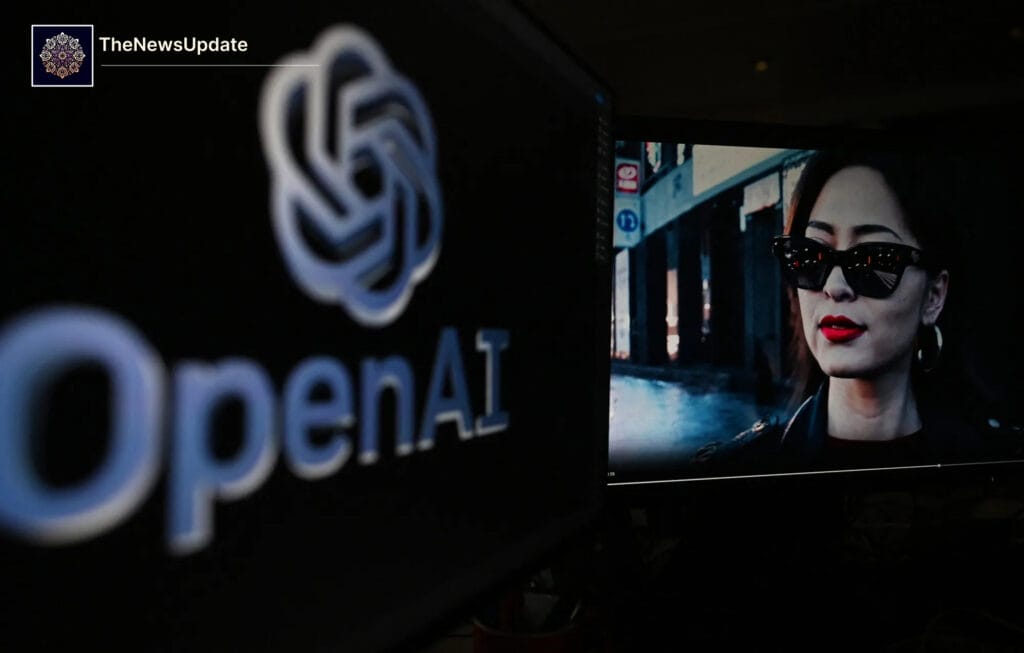
OpenAI announced that Sora — its AI-driven text-to-video app — will now charge users who exceed the daily free video-generation quotas. Users can purchase packs of 10 extra video generations for $4 once they hit the free limit. The company also said it plans to lower the free daily quotas in the future as the app’s user base expands. This shift is already live and applies across subscription tiers.
How the new Sora limits and pricing work
Under the updated rules, ChatGPT Pro subscribers currently receive up to 100 free video generations per day, while users on Free, Plus and Teams tiers are allotted 30 free video generations per day. Once a user exceeds the daily limit, they can buy additional generation credits in blocks — the first publicly announced price is $4 for 10 extra gens. Credits are consumable immediately and, in some reports, have a 12-month validity window depending on how OpenAI structures the in-app purchase.
OpenAI’s product leads note that video generation cost varies with clip length, resolution and other attributes, meaning a single “gen” may consume more compute than another depending on the chosen settings. That’s why the pricing is expressed per generation pack rather than per minute or per megapixel.
Why OpenAI is charging: GPUs, growth and sustainability
Bill Peebles, head of Sora, explained the rationale bluntly: the platform is growing rapidly and the compute required to run large-scale video generation is expensive. If Sora kept generous free limits as the user base scales, OpenAI risks running out of GPU capacity and incurring unsustainable infrastructure costs. Charging for extra usage is a pragmatic step to balance demand and supply while keeping the app viable.
Sora’s acceleration has been dramatic — the app hit millions of downloads within days of launch — and the surge in creators and casual users quickly put pressure on available compute. Introducing paid credits is a common move among AI-first startups to ration scarce resources while creating predictable revenue to fund capacity

The Sora “creator economy” and cameos
Beyond simple tokens, OpenAI is positioning Sora as a platform for creators to earn money. Peebles has teased a “Sora economy” where creators and rights-holders can monetize content like cameos — signed-on characters and people who permit their likenesses to be used in videos for a fee. Early users and companies that joined the platform first may be prioritised in initial monetisation pilots. This would let popular creators charge for appearances and let rights-holders receive revenue when their IP or likeness is used.
The cameo feature has already been controversial — it enables deepfake-style generated appearances and was one reason OpenAI tightened control settings. New monetisation models are partly a response to the complex copyright and likeness concerns that surfaced when users began making unauthorised character and celebrity videos on Sora. The paid cameo model aims to give creators and IP owners more control and a slice of the revenue.
Availability, platform limits and geographic rollout
Sora is currently available on iOS and remains region-limited; OpenAI has announced Android builds and a broader rollout over time. The paid extra-gens feature is already in effect where Sora is live. OpenAI will likely iterate the regional availability and the specifics of pricing and credits as it expands to new markets and grapples with local regulations on AI-generated media.
What this means for users, creators and competitors
For casual users, the immediate impact is minimal: the free daily allowance (30 gens for non-Pro users) remains usable for everyday experiments. Power users, hobbyists who make many clips, and creators will now face a new marginal cost if they want to scale up production — though the $4 for 10-gen pack is small relative to professional video production budgets.
For creators, the change is double-edged. On one hand, paying for extra generations raises the cost of content experimentation; on the other, the move toward a creator economy and monetised cameos offers a path to revenue that didn’t exist before. Early adopters who accumulate followers and cameo value could convert Sora activity into direct income.
Competitors in the AI video space — startups and established cloud providers alike — will watch closely. Monetisation is a logical step as these companies balance rapid user growth with infrastructure costs. For instance, other platforms already limit free usage or offer tiered subscription models, and Sora’s credit packs are competitive in that emerging pricing landscape.
यह भी पढ़े:
 Samsung Bixby Perplexity AI Integration: 7 Key Signs Samsung Is Reinventing Its Voice Assistant
Verdict & what to watch next
OpenAI’s decision to charge for extra Sora video generations is a pragmatic, foreseeable move as the app scales quickly. The key watchpoints now are: whether OpenAI reduces free quotas more aggressively than expected, how the creator monetisation experiments unfold (especially cameo revenue sharing), and how well OpenAI communicates and enforces safeguards around likeness and copyright. If OpenAI nails monetisation while simultaneously improving safety and watermarking, Sora could become a mainstream creator platform — but missteps in policy or enforcement could lead to reputational and regulatory headaches.{index=11}
Related reads
- Sora now lets you pay extra to make more AI videos
- Sora’s free video generations slashed as OpenAI adds fees
By Armaan Agarwal — Updated Oct 31, 2025