Table of Contents
- Background: The Papiri Kidnapping Incident
- Regional Trends in Nigerian School Kidnappings
- Community Responses and Peace Deals
- Expert Analysis and Security Insights
- Conclusion: What’s Next for Affected Villages
Background: The Papiri Kidnapping Incident
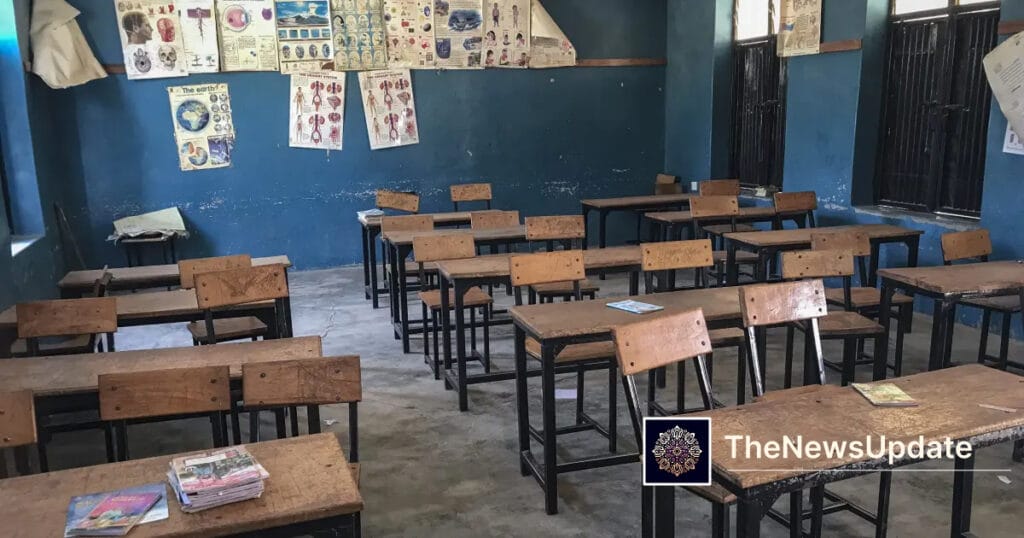
On 21 November 2025, a shocking mass abduction occurred at St Mary’s Catholic School in Papiri village, Niger State, Nigeria. Over 300 students were taken by armed men during the early hours, including children as young as five years old Nigerian school kidnappings 2025. Families of the missing students are living in constant fear, hesitant to speak to authorities or journalists for fear of reprisals from the kidnappers. One parent, known only as Aliyu for security reasons, described the terror: “If they hear you say anything about them, before you know it they’ll come for you. They’ll come to your house and take you into the bush.”
Parents have gathered outside the school for days, desperate for news. Reports indicate that roughly 250 children remain unaccounted for, although state officials claim the figures may be inflated. This incident is not isolated; it is part of a troubling wave of mass abductions that has gripped northern and central Nigeria, often driven by criminal gangs known locally as “bandits” seeking quick financial gains through ransom.

Regional Trends in Nigerian School Kidnappings
Just days before the Papiri abduction, 25 girls were kidnapped from a school in Maga, Kebbi State, located 200 km north. Security forces rescued most of the students, with one escaping on her own. These abductions illustrate the growing sophistication of criminal networks, often composed of Fulani ethnic groups who are traditionally nomadic herders. The bandits operate from remote cattle camps and are deeply familiar with local terrain, making them difficult to track and apprehend.
Kidnappings in Nigeria have a long history, including the infamous Chibok abduction of over 200 schoolgirls by Boko Haram militants in 2014. Today, the lines between ideological jihadist insurgents and profit-driven bandits are blurred, complicating security responses. Local families often lack the resources to pay ransoms, and even when funds are available, Nigerian law prohibits ransom payments, although informal negotiations may occur.
- Mass school abductions are increasingly targeting remote boarding schools perceived as “soft targets.”
- Gangs rely on local informants for intelligence, allowing them to carry out kidnappings with alarming precision.
- Both Christian and Muslim students have been victims, demonstrating the indiscriminate nature of these attacks.
Community Responses and Peace Deals
With security forces often unable to respond effectively, rural communities have adopted alternative strategies to reduce violence. In north-west Nigeria, several villages have negotiated peace deals with bandit leaders, exchanging safe passage and mining rights for cessation of attacks. These agreements, although controversial, have produced tangible results. For example, in Katsina State, peace talks in areas like Jibia and Kurfi have allowed schools to reopen and some kidnapped villagers to be released.

Community representatives and bandit leaders meet under large trees to negotiate terms. Requests often include:
- Guarantees of no armed attacks or harassment.
- Safe access to markets and grazing lands for cattle.
- Access to clean drinking water and basic necessities.
While these peace deals provide temporary relief, they also reflect the limited capacity of Nigerian security agencies to address deep-rooted insecurity. Bandit leaders, like Nasiru Bosho, have expressed fatigue with violence: “We were all living together in the same community until the unfortunate violence began. We have agreed to live and let live. No more harassment or kidnapping by either side.”
Expert Analysis and Security Insights
Security experts suggest that the rise in school kidnappings is motivated more by profit than ideology. Christian Ani of the Institute for Security Studies notes, “Nigeria’s security situation is now very complicated. We don’t know how to draw the lines between violent extremist groups or bandits. Because they operate almost in the same areas and in a fluid manner.”


David Nwaugwe of SBM Intelligence emphasizes a “stick and carrot” strategy: combining military force with negotiation and amnesty deals. “Purely using military power is not enough. You need to complement that with other measures,” he says.
There are concerns that while north-west communities achieve tentative security gains, southern regions may become new targets. Wealthier areas present higher potential ransoms, making them attractive for criminal gangs seeking financial gain. Analysts also caution against attributing recent spikes in attacks to foreign political statements, such as US President Donald Trump’s comments, arguing instead that economic incentives drive the kidnappings.
Conclusion: What’s Next for Affected Villages
For families in Papiri and surrounding regions, the future remains uncertain. While peace negotiations and security interventions provide some hope, villagers continue to live under the shadow of kidnappers. Parents pray for the safe return of their children, while communities adapt to a reality where negotiating with criminals is sometimes the only path to survival.

Addressing the crisis will require a multi-layered approach, including:
- Improved security infrastructure and rapid response forces.
- Community engagement programs to reduce local complicity in abductions.
- Legal and economic strategies to limit the profitability of kidnapping for ransom.
- Continued monitoring and reporting to highlight trends and inform policy.
Related Reads
- How Peace Deals Are Reducing Bandit Attacks in Northern Nigeria
- Report on Recent School Kidnappings in Nigeria
By The News Update— Updated 30 November 2025