Table of Contents
- What is GRAP-IV and Why It Matters
- Why Mumbai Is Triggering GRAP-IV Now
- What Will GRAP-IV Restrict — Implications for Construction & Daily Life
- Which Areas Are Most Affected
- How BMC Plans to Enforce the Rules
- What Citizens and Developers Should Do
- Conclusion & Outlook
Mumbai GRAP-IV Air Quality Restrictions
What is GRAP-IV and Why It Matters
The Brihanmumbai Municipal Corporation (BMC) has invoked the threat of activating Stage 4 of the Graded Response Action Plan (GRAP) — commonly referred to as GRAP-IV — if pollution parameters in certain pockets remain critical. GRAP is a tiered pollution control mechanism designed to respond to worsening air quality with escalating interventions Mumbai GRAP-IV Air Quality Restrictions.
यह भी पढ़े:
 Osman Hadi Killers Fled to India via Meghalaya Border: Dhaka Police Reveal Shocking Escape Route
Under GRAP-IV, the most stringent restrictions are imposed, reflecting both urgency and seriousness. For a city like Mumbai, grappling with rapid urban growth, mass construction, and dense population, GRAP-IV serves as an emergency brake when standard mitigation efforts prove insufficient.
Why Mumbai Is Triggering GRAP-IV Now
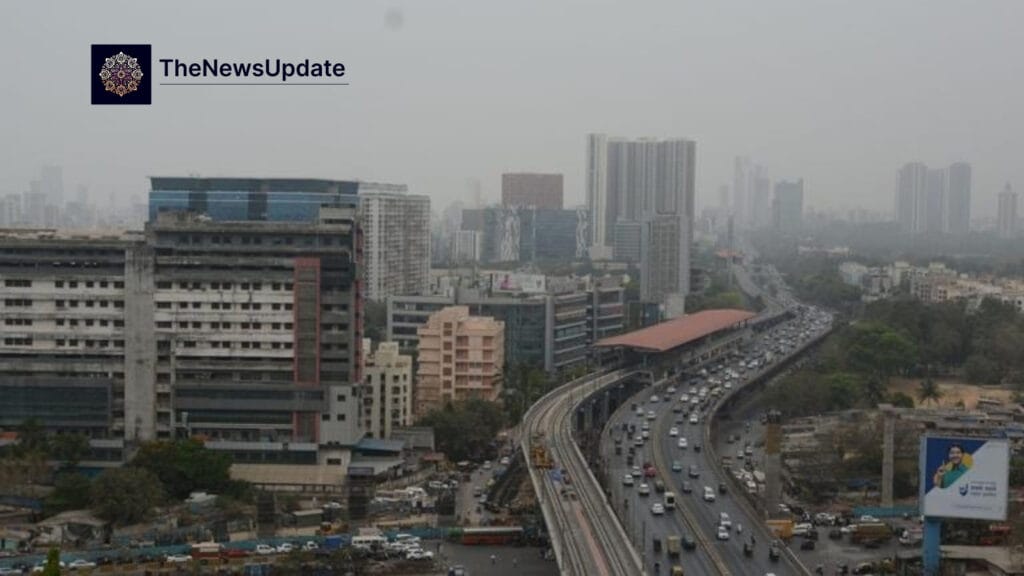
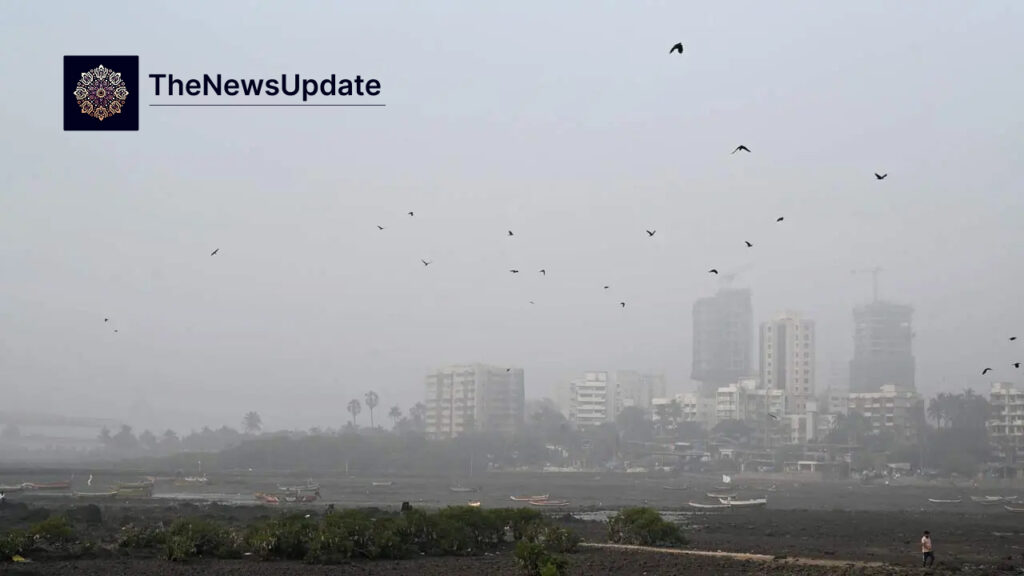
Recent air-quality data has spurred alarm. Several neighbourhoods have recorded Air Quality Index (AQI) readings above the “poor” threshold (above 200), with some spots — such as Mazgaon — even touching “very poor” or “very unhealthy” levels. On two occasions this month alone, Mazgaon’s AQI soared to 305.
The BMC has set a clear trigger: if AQI remains above 200 for three consecutive days in a particular area, GRAP-IV measures will be enforced. This threshold reflects the shift from “moderate” or “satisfactory” to harmful pollution levels that pose serious health risks — especially for children, the elderly, and people with respiratory issues.
यह भी पढ़े:
 Bulldozer Raj Karnataka Demolitions: Congress Govt Faces Backlash After 400 Muslims Left Homeless
The pollution surge has been largely driven by heavy construction activity across the city — dust from demolition, debris handling, roadworks, and unregulated building sites. Coupled with reduced wind speeds, winter temperature inversions, and stagnant weather, pollutants have failed to disperse, trapping fine dust and PM2.5 particles close to ground level.
What Will GRAP-IV Restrict — Implications for Construction & Daily Life
GRAP-IV triggers a set of large-scale restrictions aimed at cutting down key sources of pollution almost immediately. The main measures include:
- Halt to all construction and demolition activities — both private and public projects must stop work in affected localities.
- Suspension of operations in polluting industries and small-scale units contributing to dust or emissions.
- Banning open burning of garbage, debris, or waste — a common yet hazardous practice in many parts of the city.
- Strict dust-control compliance — all active construction sites must follow a detailed 28-point environmental management plan including dust suppression systems, barricades, water sprinkling, wheel-washing, covered debris storage and air-quality monitoring.
- Frequent road sweeping and water sprinkling on public roads and footpaths to prevent dust resuspension.
- Enhanced monitoring and compliance checks by enforcement squads, including spot inspections and GPS-tracked patrols to enforce norms strictly.
The moment an area crosses the AQI threshold and meets the “three-day” rule, bans will kick in “without prior stop-work notices,” according to the BMC — meaning work must cease immediately.

For ordinary citizens, this could mean disruption in ongoing construction or infrastructure projects, but also — potentially — clearer skies, less dust, and improved air quality in the short term. For builders and developers, this represents a pause in scheduled work and a warning to ensure compliance with dust-control and environmental norms.
Which Areas Are Most Affected
The BMC and city-wide monitoring data point to multiple hotspots repeatedly breaching pollution thresholds. Some of the worst-affected areas include:
- Mazgaon
- Malad
- Deonar
- Borivali East
- Chakala / Andheri East
- Powai
- Navy Nagar
- Mulund
Even when Mumbai’s overall average AQI hovers in “moderate” zone, these pockets continue to bear disproportionate pollution — largely because of dense construction and poor dust-management practices.
How BMC Plans to Enforce the Rules
To ensure that GRAP-IV is not just a warning, the BMC has reinstated ward-level “flying squads” — field teams comprising civic engineers and police, equipped with GPS-tracked vehicles. These squads will carry out surprise inspections across construction sites, debris storage yards, and small industries. Non-compliance will result in immediate “stop-work” orders and possible legal action under relevant municipal laws.
Additionally, the BMC is enforcing a 28-point regulation for all existing construction and industrial sites — a detailed environmental management protocol issued in 2024 — requiring dust control, covered debris storage, periodic water sprinkling, air-quality monitoring, and other safeguards. Sites failing to comply have reportedly already begun receiving notices.
Public amenities like roads and footpaths in high-AQI zones will undergo regular cleaning with mechanised sweeping and water misting. The objective: reduce resuspension of dust, curb vehicular emissions, and improve outdoor air — especially during congested traffic hours and early-morning dust peaks.
यह भी पढ़े:
 Canada Hospital Killed Indian-Origin Man: Wife Alleges Medical Negligence After 8-Hour Wait
What Citizens and Developers Should Do
With GRAP-IV now a real possibility, both citizens and developers must take proactive steps rather than wait for enforced restrictions. Some actionable advice:
- Citizens: Limit outdoor exposure on high-AQI days, especially morning/evening. Use masks, avoid strenuous outdoor activities, and keep windows closed when haze is heavy. Consider using air purifiers indoors if you or family members have respiratory issues.
- Commuters & Vehicle Owners: Avoid unnecessary travel. Prefer public transport or car-pooling. Ensure your vehicles have valid PUC (pollution under control) certificates.
- Developers / Builders: Immediately implement dust-control mitigation — cover construction sites, spray water, install barricades, ensure waste/debris is stored properly. Stay ready to suspend work if AQI remains high. Engage with BMC guidelines proactively.
- Industries & Small Units: Review whether operations may contribute to dust or emissions. Consider pausing or relocating operations during high-pollution phases.
- Community Roles: Report open burning, illegal dumping or dust-creating activities to BMC using Mumbai’s pollution-complaint portals or apps. Community vigilance can speed up enforcement.
Conclusion & Outlook
The threat of a GRAP-IV crackdown signals a turning point in Mumbai’s battle against rising winter pollution. As the city wakes up to smoggy skies, dust-filled neighbourhoods, and growing health complaints, the BMC’s warnings reflect both urgency and resolve. If the AQI remains above 200 for the stipulated period, the curbs could drastically reshape construction timelines, civic activity, and daily life — at least till air quality improves.
However, GRAP-IV should be viewed not as a temporary fix, but a wake-up call. Long-term solutions require stricter regulation of construction dust, sustainable urban planning, regular monitoring, and public cooperation. Unless the sources of pollution — construction dust, industrial emissions, vehicular exhaust — are controlled at source, the city may find itself invoking GRAP more frequently in future winters.
For now, the message is clear: the air we breathe matters, and compliance with environmental norms is no longer optional.
Related Reads
By The News Update Desk — Updated Dec 1, 2025