Table of Contents
- Background: Microsoft’s Discovery of Whisper Leak
- How the Whisper Leak Vulnerability Works
- Impact on ChatGPT, Gemini, and Other AI Chatbots
- Microsoft’s Mitigation Efforts and Industry Response
- How Users Can Protect Their Privacy
- Conclusion: The Road Ahead for AI Security
Background: Microsoft’s Discovery of Whisper Leak
Microsoft Whisper Leak Vulnerability has revealed a groundbreaking yet alarming cybersecurity finding: a flaw in the encrypted communication of AI chatbots that can allow hackers to infer what users are discussing. Named Whisper Leak Vulnerability, the issue was discovered by Microsoft’s research division and is being described as one of the most significant side-channel attacks targeting remote large language model (LLM)-based systems to date.
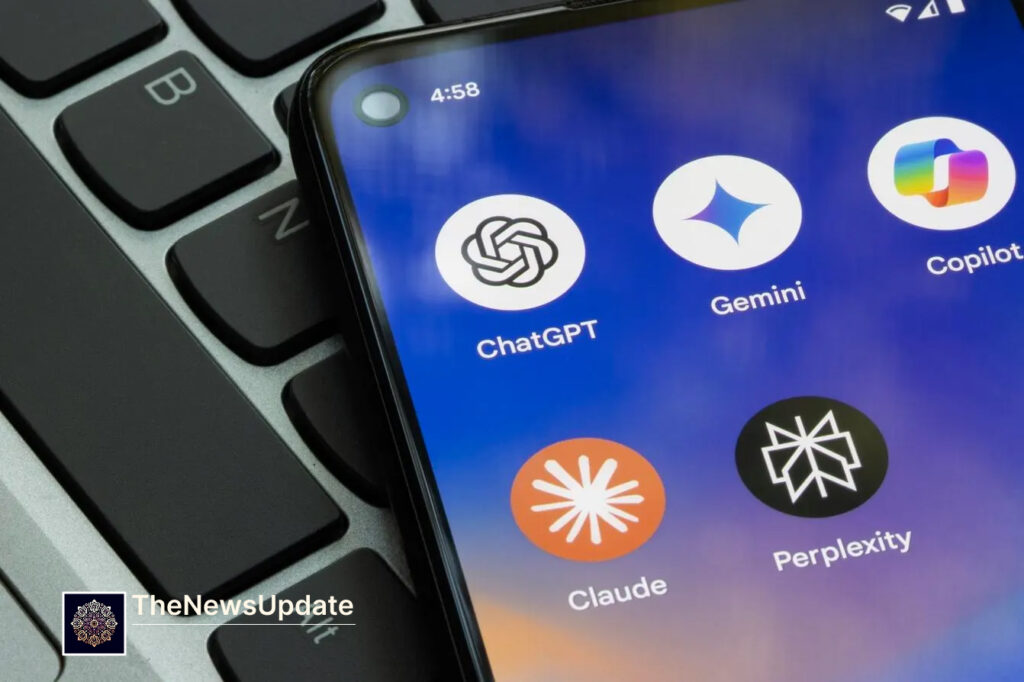
The flaw potentially affects popular AI chatbots such as ChatGPT, Google’s Gemini, and several others. In its published report on arXiv, Microsoft stated that the vulnerability enables bad actors to infer user conversation topics by analyzing encrypted network traffic — even without directly breaking encryption protocols like TLS (Transport Layer Security).
While TLS is widely considered the gold standard for securing online communications, the Whisper Leak attack cleverly exploits visible metadata, revealing how messages move through the network. This means that even though the content remains encrypted, hackers can still guess what users are discussing based on timing and packet patterns.
How the Whisper Leak Vulnerability Works
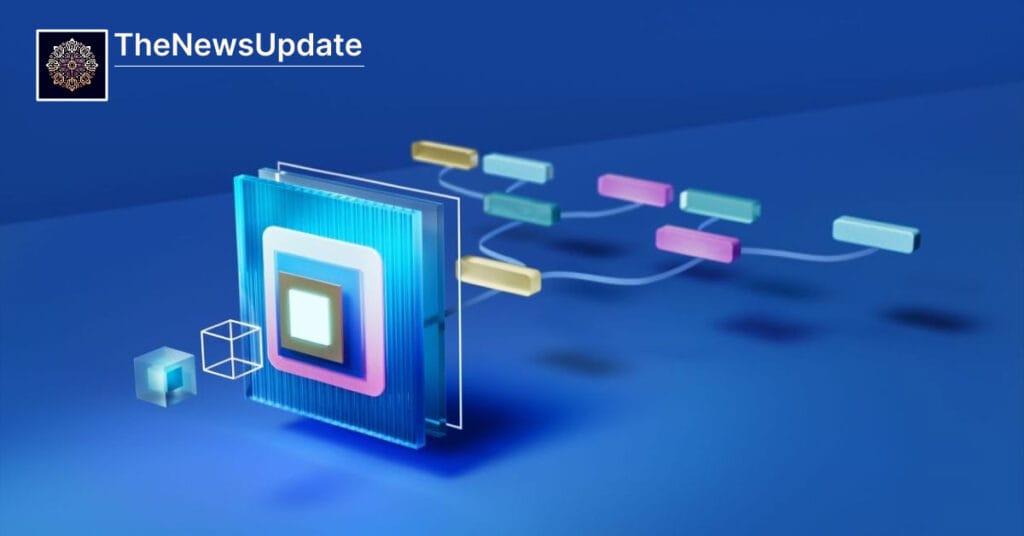
At its core, the Whisper Leak Vulnerability is a side-channel attack — a type of exploit that gleans information indirectly rather than breaching encryption outright. According to Microsoft, hackers can monitor metadata in TLS-encrypted traffic to determine the rhythm and structure of communication between users and AI chatbots.
During their extensive testing, Microsoft researchers evaluated 28 different LLM implementations and found the vulnerability present in 98% of them. The team analyzed data packet sizes, message timing, and frequency of requests during conversations. Using this data, they trained a machine learning model capable of recognizing topic patterns.
The result was startling: the system could accurately predict what topic a user was discussing — be it politics, personal finance, or sensitive research — without needing to decrypt any actual message.
“This is not a flaw in TLS itself, but rather an exploitation of the inherent metadata that TLS reveals about encrypted traffic structure and timing,” Microsoft researchers explained.
This discovery underscores an important distinction: encryption alone cannot fully guarantee privacy if the communication patterns themselves can be analyzed to reveal user intent or topics.

Impact on ChatGPT, Gemini, and Other AI Chatbots
The Whisper Leak Vulnerability affects nearly all remote AI chatbots that rely on cloud-based large language models, including OpenAI’s ChatGPT, Google’s Gemini, xAI, and Mistral. Because these models operate remotely, users’ interactions pass through servers and networks, making them susceptible to metadata observation.
Microsoft’s findings indicate that both standalone chatbots and those embedded in apps — such as search engines or productivity software — may leak enough metadata to infer sensitive discussion topics. Even though encryption hides message content, traffic analysis can reveal patterns that correlate to specific prompt types.
In real-world scenarios, entities such as government agencies, Internet service providers (ISPs), or cybercriminals monitoring network activity could theoretically determine when someone is asking questions about politically charged or sensitive topics.
यह भी पढ़े:
 Samsung Bixby Perplexity AI Integration: 7 Key Signs Samsung Is Reinventing Its Voice Assistant
The implications are significant for privacy, free speech, and data ethics in AI. Users who rely on AI tools for confidential advice — such as legal queries, business planning, or mental health discussions — might unknowingly expose the general nature of their conversations.
Microsoft’s Mitigation Efforts and Industry Response
Microsoft stated that it has already shared its findings through responsible disclosure protocols with affected AI companies. In response, several major vendors, including OpenAI, Mistral, xAI, and Microsoft Azure itself, have deployed mitigation techniques to reduce the effectiveness of Whisper Leak-style attacks.
One of the most innovative solutions came from OpenAI and Azure, who implemented an additional data field called “obfuscation” in their streaming responses. This field adds a random sequence of text with variable length to each response, effectively masking token length and timing differences — the very patterns Whisper Leak exploits.

According to Microsoft’s internal testing, this update significantly decreased the attack’s accuracy. Mistral and xAI have since implemented similar safeguards across their infrastructures.
“This industry-wide response demonstrates the shared commitment to user privacy across the AI ecosystem,” Microsoft’s report noted, emphasizing collaborative transparency rather than competition in addressing security flaws.
The publication of this study also highlights how AI leaders are increasingly prioritizing **cyber-resilience** in their development pipelines — integrating privacy-by-design models rather than reactive fixes.
यह भी पढ़े:
 New York Times Reporter, Authors Sue Google, OpenAI, Meta Over AI-Based Copyright Infringement
How Users Can Protect Their Privacy
While most major AI platforms have now taken steps to mitigate the Microsoft Whisper Leak Vulnerability, individual users can also take measures to protect their privacy online.
- Use VPNs: Encrypting your network traffic adds another layer of anonymity, making it harder for third parties to analyze metadata patterns.
- Avoid Untrusted Networks: Don’t engage in sensitive AI conversations over public Wi-Fi or shared connections.
- Use Non-Streaming Models: On-device or non-streaming AI tools minimize exposure to server-based attacks.
- Check Security Updates: Prefer chatbot services that have publicly confirmed implementing Whisper Leak mitigations.
Additionally, awareness is key. As AI technologies become integral to daily life, users must treat digital conversations with the same caution as any other online interaction. No encryption system is infallible, especially when human behavior and metadata patterns are involved.
Conclusion: The Road Ahead for AI Security
The discovery of the Microsoft Whisper Leak Vulnerability serves as a crucial reminder of the evolving nature of cybersecurity in the age of AI. Even as encryption technologies advance, side-channel vulnerabilities highlight the importance of thinking beyond traditional defenses.
As AI chatbots like ChatGPT and Gemini continue to become everyday tools for millions, ensuring user privacy must remain a top priority. Microsoft’s proactive disclosure and the quick response from the AI industry set a positive precedent — but also signal that vigilance is an ongoing necessity.
For now, the best protection lies in user awareness, updated software, and continued collaboration between tech companies and researchers. Whisper Leak may have raised alarms, but it also marks a new chapter in AI safety — one driven by transparency and collective action.
Related Reads
By The Morning News Informer — Updated November 11, 2025