Microsoft Rewrite Windows 11 in Rust Using AI
Table of Contents
- Background: Why the Rumour Went Viral
- Microsoft’s Shift From C++ to Rust: What Was Claimed
- Fact Check: What Microsoft Is Really Doing
- Why Rust and AI Still Matter to Microsoft
- Conclusion: What This Means for Windows Users

Background: Why the Rumour Went Viral,Microsoft Rewrite Windows 11 in Rust Using AI
The internet loves dramatic technology headlines, especially when they involve Microsoft, artificial intelligence, and a flagship product like Windows 11. Over the past week, several reports claimed that Microsoft was planning to rewrite Windows 11 in Rust using AI, triggering confusion and widespread debate across developer communities.
The speculation started after a post by Galen Hunt, a Microsoft Distinguished Engineer, who mentioned combining AI and algorithms to help rewrite some of Microsoft’s largest codebases. The phrasing quickly went viral and was interpreted by many publications as a signal of a full-scale Windows rewrite.
Given the massive scale of Windows, which powers hundreds of millions of devices worldwide, the claims demanded closer scrutiny.
Microsoft’s Shift From C++ to Rust: What Was Claimed
The controversy centered around a hiring post shared by Hunt for engineers to work on migration technology. The post included a line stating that Microsoft’s strategy was to combine AI and algorithms to rewrite large codebases.

Based on this, multiple reports claimed that Microsoft would replace Windows’ C++ foundation with Rust and rely heavily on AI-generated code. Some even speculated that the move could lead to large-scale job losses.
- Claims of Windows 11 being fully rewritten in Rust
- Assumptions of AI writing operating system code
- Speculation about C++ being phased out entirely
These claims quickly raised concerns around security, system stability, and long-term reliability.
Fact Check: What Microsoft Is Really Doing
Following the viral reports, Galen Hunt issued a clear clarification, directly addressing the speculation.

“Just to clarify… Windows is NOT being rewritten in Rust with AI.”
He explained that the project is a research-focused initiative aimed at developing tools that could assist engineers in gradually migrating parts of large legacy codebases between programming languages.
Microsoft also clarified that this research does not represent a new strategy for Windows 11 or future Windows versions.
यह भी पढ़े:
 Samsung Bixby Perplexity AI Integration: 7 Key Signs Samsung Is Reinventing Its Voice Assistant
- Windows is not being rewritten
- Rust is not replacing C++ across the system
- AI is being explored as a supporting tool, not a replacement for developers
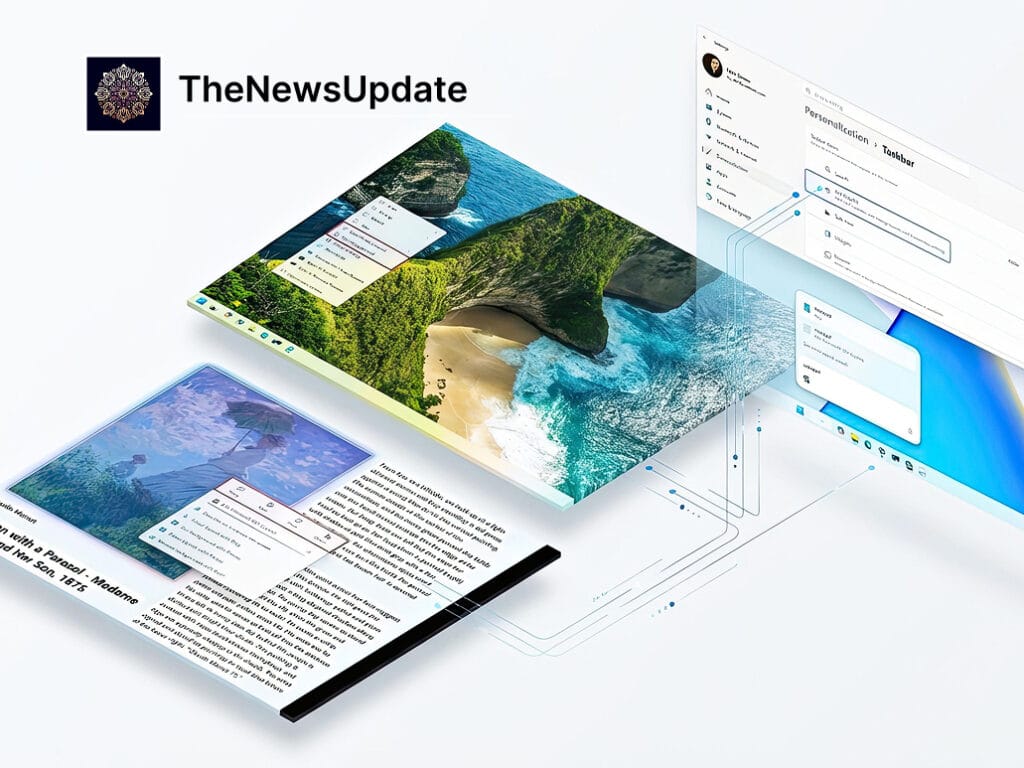
Hunt further stressed that Rust is not an endpoint, but simply one of several technologies Microsoft continues to evaluate.
Why Rust and AI Still Matter to Microsoft
Although the rumours were inaccurate, Microsoft’s interest in Rust and AI is very real. The company has already integrated Rust into certain security-sensitive components due to its memory safety advantages.
AI, meanwhile, is increasingly being used to assist developers in analyzing legacy code, identifying vulnerabilities, and suggesting safer patterns — all under human supervision.

- Code analysis and refactoring assistance
- Security vulnerability detection
- Improved maintainability of legacy systems
These efforts reflect long-term planning rather than a sudden overhaul.
Conclusion: What This Means for Windows Users
Despite widespread speculation, Microsoft is not planning to rewrite Windows 11 in Rust using AI. The company is conducting research into tools that could make future code migration safer and more efficient.
For Windows users, this means no immediate changes, no AI-generated operating system code, and no disruption to the current Windows experience.
यह भी पढ़े:
 New York Times Reporter, Authors Sue Google, OpenAI, Meta Over AI-Based Copyright Infringement
For developers, it signals Microsoft’s continued investment in modern software practices while maintaining stability in its core products.
Related Reads
By The News Update— Updated December 24, 2025