Microsoft’s Vision for Humanist Superintelligence
Microsoft has taken a groundbreaking step in the AI industry by developing what it calls a Microsoft Humanist Superintelligence
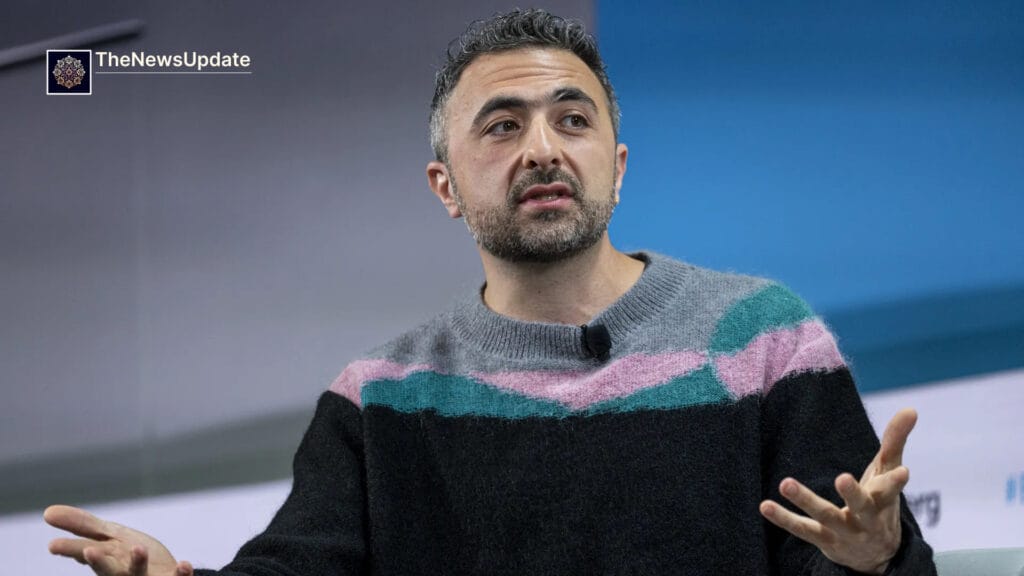
. According to Mustafa Suleyman, Microsoft AI Chief, the goal is to create a superintelligent system that “always works for, in service of, people and humanity more generally.” This vision differs significantly from other tech giants who often focus on the speed of achieving artificial general intelligence (AGI) without clear ethical boundaries.
The idea of humanist superintelligence revolves around designing AI systems that are not fully autonomous or unbounded but are carefully calibrated and contextualized to support global human welfare. By keeping humans at the center of AI decision-making, Microsoft aims to balance advanced intelligence with ethical responsibility.

MAI Superintelligence Team: Structure and Goals
To bring this vision to life, Microsoft has established the MAI Superintelligence Team, a specialized division within Microsoft AI. Led by Mustafa Suleyman, the team is tasked with researching, designing, and building AI systems that are both powerful and controllable. Unlike previous AI projects focused on raw computational power, this initiative emphasizes grounded development with clear limitations.
The MAI team’s primary objectives include:
- Developing AI systems that operate in service of humanity
- Ensuring AI is grounded, controllable, and context-aware
- Addressing major global challenges using ethical AI solutions
- Rejecting the narrative of a competitive race toward AGI
By focusing on these goals, Microsoft hopes to set a new standard for responsible AI development that prioritizes safety, societal impact, and long-term human benefit.

Ethical Considerations and Responsible AI
One of the defining aspects of Microsoft’s humanist superintelligence is the strong emphasis on ethics and responsible AI. Suleyman explicitly stated that Microsoft does not intend to develop an “unbounded and unlimited entity with high degrees of autonomy.” Instead, AI systems will operate within strict limits, ensuring that humans maintain ultimate control over decisions that impact society.
Ethical AI practices include:
- Prioritizing transparency in AI decision-making
- Implementing safeguards against misuse or unintended consequences
- Aligning AI development with societal needs and global challenges
- Preventing biases and ensuring fairness across AI systems
These measures are intended to prevent the creation of rogue AI systems and reinforce public trust in artificial intelligence technologies.

Global AI Race and Microsoft’s Approach
The emergence of AGI has sparked a competitive race among tech giants, including Google, OpenAI, Meta, and Microsoft. However, Microsoft differentiates itself by prioritizing ethical considerations over speed. Suleyman rejected the “race to AGI” narrative, emphasizing that Microsoft’s approach is long-term and focused on delivering tangible benefits to billions of people worldwide.
By focusing on humanist AI principles, Microsoft positions itself as a leader in responsible AI, setting benchmarks for safe and controlled deployment while avoiding speculative extremes often associated with AGI research.
Impact on Society and Future Prospects
The potential impact of humanist superintelligence is profound. By integrating AI systems into areas such as healthcare, climate modeling, education, and disaster management, Microsoft aims to leverage advanced intelligence to tackle pressing global challenges. Suleyman highlighted that these systems are designed to enhance human decision-making, not replace it, ensuring that humans remain in control of critical outcomes.
यह भी पढ़े:
 Samsung Bixby Perplexity AI Integration: 7 Key Signs Samsung Is Reinventing Its Voice Assistant
Long-term prospects include:
- Enhanced problem-solving for societal challenges
- Improved AI accessibility and user-centric applications
- Safe exploration of advanced AI capabilities within ethical boundaries
- Collaborations with global research institutions for responsible AI innovation
Challenges and Criticisms
Despite its ethical framework, Microsoft’s initiative faces several challenges. Critics argue that even controlled superintelligence could have unintended consequences if limitations fail or are bypassed. Additionally, transparency in AI decision-making remains a concern, especially when systems operate at scales beyond human comprehension.
Other challenges include:

- Ensuring alignment with diverse global ethical standards
- Managing public perception and trust in AI systems
- Balancing innovation speed with rigorous safety testing
Nevertheless, Microsoft’s structured approach, clear ethical framework, and dedicated MAI team demonstrate its commitment to responsible AI development.
Conclusion
Microsoft’s humanist superintelligence represents a bold step in the evolution of AI technology. By forming the MAI Superintelligence Team and emphasizing ethics, control, and service to humanity, the company sets a benchmark for responsible AI development. Mustafa Suleyman’s vision highlights the importance of thoughtful, grounded AI that enhances human decision-making while avoiding the pitfalls of unregulated superintelligence.
As the race for AGI intensifies, Microsoft’s approach underscores the value of prioritizing societal benefit, ethical oversight, and long-term safety. Humanist superintelligence could become a model for the global AI community, demonstrating how powerful technologies can be developed responsibly to serve billions of people worldwide.
यह भी पढ़े:
 New York Times Reporter, Authors Sue Google, OpenAI, Meta Over AI-Based Copyright Infringement
Related Reads
By The Morning News Informer — Updated 9 November 2025