
Table of Contents
- What is the Stream Ring AI gadget?
- How the Stream Ring works — hardware, app, and AI
- Voice mimicry: how it speaks back in your voice
- Key features and day-to-day use cases
- Privacy, security and ethical concerns
- Pricing, preorder and shipping timeline
- Verdict: who should consider the Stream Ring?
- Related reading
What is the Stream Ring AI gadget?
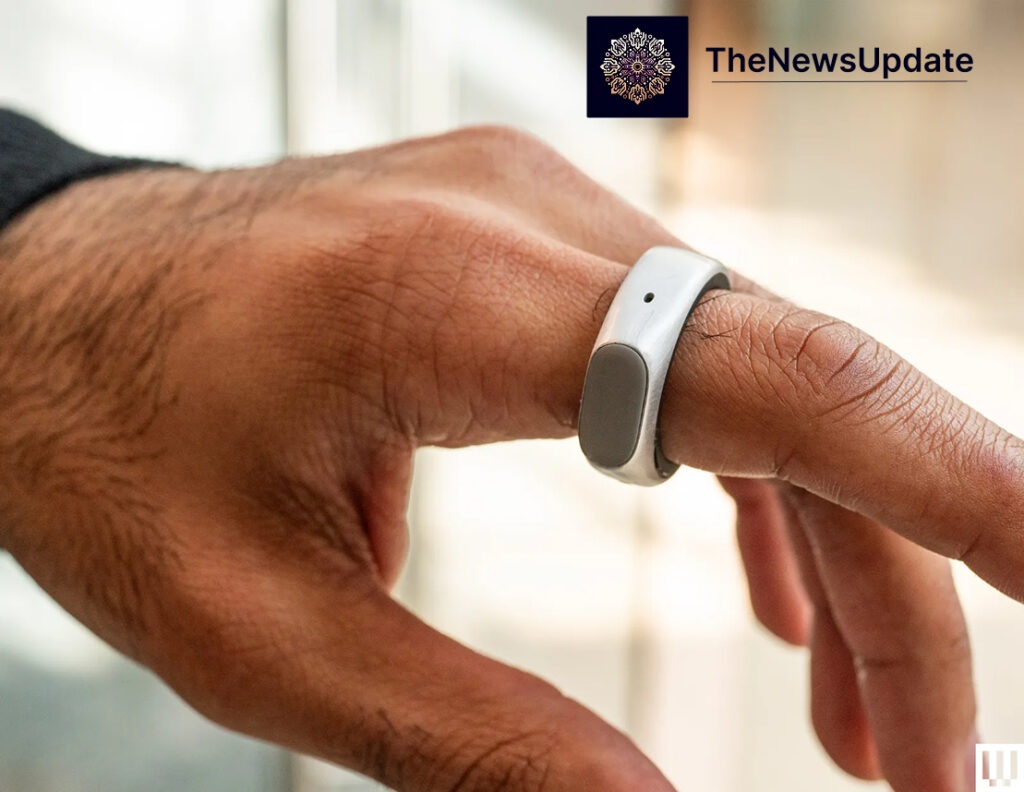
The Stream Ring AI gadget is a voice-controlled wearable designed to let you record short spoken thoughts, convert them into searchable notes, and interact with an AI that can reply in a synthetic version of your own voice. Built by Sandbar — a startup founded by former CTRL-Labs engineers — the ring is worn on the index finger and activates when pressed with your thumb. Sandbar positions Stream as a “self-extension”: a tool meant to capture ideas quickly, act as a hands-free assistant, and keep the phone tucked away.
How the Stream Ring works — hardware, app, and AI
The Stream Ring blends three technical layers: the ring hardware, a companion smartphone app, and cloud-based AI processing. A capacitive touch surface on the ring lets users tap and hold to record; releasing the touch ends the recording. The ring connects to the phone over Bluetooth and transfers short audio snippets. Crucially, Sandbar says the ring does not store raw audio locally long-term — it sends audio to the app where it’s transcribed and stored as text notes.
Some processing happens on-device for low-latency feedback (the ring will buzz to confirm actions), while heavier transcription, summarization, and voice synthesis occur in the cloud. That hybrid approach balances battery life and responsiveness with the compute needs of modern generative models.
Voice mimicry: how it speaks back in your voice
One of the Stream Ring’s headline features is that it can reply in a version of your own voice. During setup the app asks users to record a few short lines. Those samples are processed by a third-party voice synthesis provider (Sandbar has publicly acknowledged using generative voice tooling from ElevenLabs for high-quality timbre capture). The result is a synthetic voice that resembles the user’s natural tone — intentionally slightly altered to avoid perfect mimicry, the company says.
This voice-cloning pipeline allows responses — from shopping lists to brainstorming suggestions — to be read back in a familiar timbre. The effect is intimate and convenient, and it’s what has many people excited about the Stream Ring AI gadget. But as we’ll discuss below, it also raises questions about consent, deepfakes, and ownership of vocal likeness.
Key features and day-to-day use cases
The Stream Ring aims to be both a thought-capture device and a utility wearable. Here are its core capabilities:

- Quick notes: Tap-and-hold to record a thought and let the app transcribe it into a searchable note.
- Conversational AI: Ask follow-up questions, brainstorm, or ask for rewrites — the AI replies by text and can speak the answer in your voice.
- Media controls: Single-tap play/pause, double-tap skip, and swipe-based volume control for hands-free music adjustments.
- Privacy control: Explicit recording only — Stream does not ambiently listen; a tap initiates recording.
- Cross-device access: Notes are accessible via the mobile app and a desktop interface for searching, sharing, or exporting.
- Subscription tier: Three months of Stream Pro are included with preorder, then a paid plan for unlimited chats and early features.
Practical scenarios include grocery-list creation while shopping, capturing fleeting ideas during a commute, drafting a quick email hands-free, or using voice replies for reminders when your hands are busy. Because Stream also works offline for basic playback and media controls, it retains utility even when AI services are unavailable.
Privacy, security and ethical concerns
No review of the Stream Ring AI gadget is complete without discussing privacy. Sandbar’s product design emphasizes explicit control: the ring records only when you press it. However, the product still relies on cloud transcription and third-party voice synthesis, which introduces vectors for data exposure.
Key privacy points to consider:

- Data handling: Sandbar says raw audio is not stored long-term on the ring, but audio is transmitted to the phone and the cloud for processing. Users should review retention policies carefully.
- Voice cloning risks: A synthetic version of your voice has utility — but also the potential for misuse if the model or account is compromised. Sandbar attempts to mitigate this by slightly altering voice output and requiring user consent at setup.
- Subscription backend: Stream Pro features may involve more extensive cloud processing. Understand what analytics or model tuning might use your anonymized data.
- Legal and consent concerns: Laws vary by region on voice likeness, recording, and biometric data. If you share voice-based notes externally, consider consent implications for people quoted in your recordings.
For privacy-focused users, the sweet spot will be whether Sandbar offers robust on-device processing or encrypted transfers. The company’s transparency on data retention, the ability to delete voice models, and easy opt-outs for research and analytics will determine mainstream trust.
Pricing, preorder and shipping timeline
Sandbar has opened preorders in the U.S. with two price tiers: a base silver variant at $249 and a gold variant at $299. Orders include a ring-sizing kit and a three-month trial of Stream Pro, which provides unlimited chats, extended storage, and early feature access. After the trial, Stream Pro is priced at $10 per month, while a limited free tier remains available with usage caps.
Sandbar expects to begin shipping in summer 2026. Early adopters will likely gain access to firmware updates, voice model improvements, and desktop app features earlier than stock customers — a common pattern for hardware startups that iterate post-launch.
यह भी पढ़े:
 Samsung Bixby Perplexity AI Integration: 7 Key Signs Samsung Is Reinventing Its Voice Assistant
Verdict: who should consider the Stream Ring?
The Stream Ring AI gadget is compelling for creative professionals, heavy multitaskers, and anyone who prefers voice-native workflows to keyboard-native ones. The ring’s low friction for capturing ideas could change how people plan, take notes, and draft content on the go.
However, it’s not for everyone. If you require maximal privacy and insist on fully local processing with no cloud involvement, Stream’s hybrid design may disappoint. Likewise, users who dislike subscription models should weigh the ongoing cost against the utility of unlimited AI chats.
Overall, if Sandbar delivers on transcription quality, reliable voice synthesis, and clear privacy controls, the Stream Ring could be a category-defining device — a discreet, intimate interface that brings AI closer to thought. For now, preorder buyers will be effectively beta testers for a product that promises a unique interaction model.

Related reading & sources
By The Morning News Informer — Updated November 6, 2025