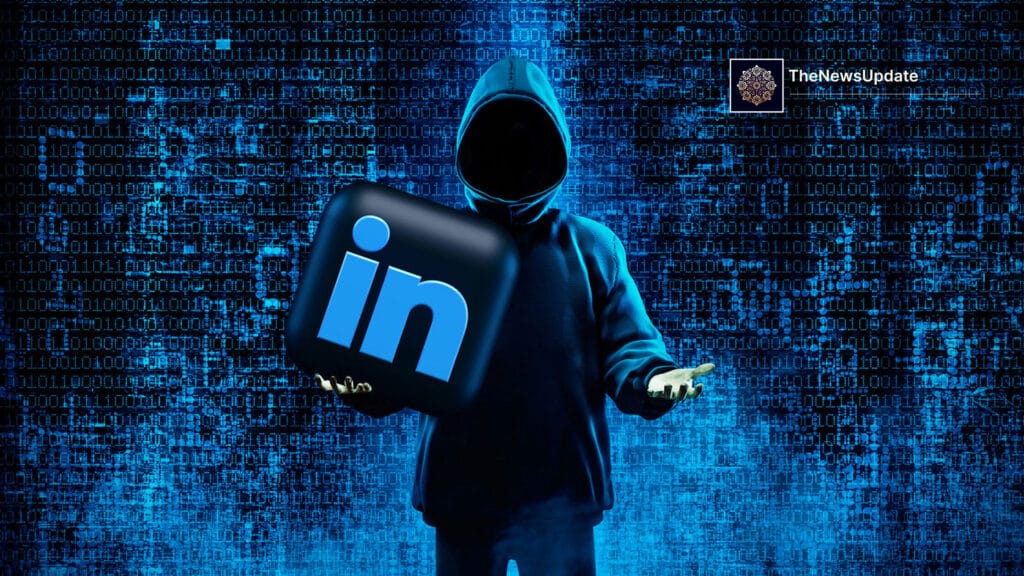
LinkedIn phishing scam 2025 — Cybersecurity experts have discovered a new and sophisticated phishing campaign targeting senior executives on LinkedIn. The scam lures finance leaders with fake board membership offers to trick them into sharing their Microsoft credentials. Here’s a breakdown of how it works, who’s behind it, and how to stay safe online.
🚨 The Rise of LinkedIn Phishing in 2025
Cyber attackers have increasingly turned to professional networks like LinkedIn to target high-value individuals. Unlike traditional email phishing, this new LinkedIn phishing scam 2025 uses direct messaging to appear more credible and personal. According to Push Security, which uncovered the operation, the attackers crafted elaborate fake profiles to pose as representatives of an investment firm named “Commonwealth Investment Fund.”
The campaign began by sending personalized connection requests and messages to finance professionals, inviting them to join a “prestigious executive board.” These offers sounded authentic enough to fool even experienced professionals — and that’s where the real trap began.
🎭 The Fake Offer That Hooks Victims
Victims received a message saying:
“I’m excited to extend an exclusive invitation for you to join the Executive Board of the Commonwealth investment fund in South America in partnership with AMCO — Our Asset Management branch, a bold new venture capital fund launching an Investment Fund in South America.”
At first glance,LinkedIn phishing scam 2025 the offer looks professional and legitimate — complete with business jargon and formal tone. However, it contains a dangerous link that claims to direct users to a “proposal document” or “invitation letter.” Clicking that link begins a chain of redirects through legitimate-looking web pages, eventually leading to a fake Microsoft login screen.

Phishing page designed to mimic Microsoft login screen. (Image Credit: Push Security)
💻 How the LinkedIn Phishing Scam Works Step-by-Step
- Initial Contact: Attackers send direct LinkedIn messages to executives, offering them board positions in a “Commonwealth Investment Fund.”
- Malicious Link: The message includes a link to view the board proposal document.
- Redirect Chain: The link passes through Google Search results and an attacker-controlled domain, making it look legitimate.
- Fake Document Page: Hosted on firebasestorage.googleapis[.]com, the page asks victims to view the file using their Microsoft account.
- Credential Theft: Once users enter their login details on the fake page, the data is immediately stolen by the attacker.
These attackers are using Adversary-in-the-Middle (AiTM) phishing technology — an advanced method that allows them to intercept real login tokens, effectively bypassing two-factor authentication (2FA). This makes the scam far more dangerous than traditional phishing attempts.
🔒 Why This Scam Is So Effective
Traditional phishing often relies on mass emails, which are easily flagged by spam filters. In contrast, LinkedIn phishing scams exploit social trust and professional curiosity. Executives are more likely to respond to LinkedIn messages than random emails — especially if the offer promises prestige, career growth, or investment opportunities.

Additionally, attackers are employing security technologies like CAPTCHA and Cloudflare Turnstile to hide their phishing pages from automated security systems. As a result, even corporate firewalls and web scanners struggle to detect them.
📊 Real-World Impact: Corporate Risks of the LinkedIn Scam
When attackers gain access to Microsoft or Google credentials, they effectively compromise a company’s entire digital infrastructure. Many organizations use single sign-on (SSO) authentication systems, meaning one compromised login could unlock sensitive files, emails, and shared drives.
Push Security warns that the consequences can include:
यह भी पढ़े:
 Samsung Bixby Perplexity AI Integration: 7 Key Signs Samsung Is Reinventing Its Voice Assistant
- Unauthorized access to confidential documents and financial records
- Corporate identity theft
- Ransomware attacks via stolen credentials
- Data exfiltration from cloud storage
- Reputational damage for executives and companies alike
🧠 Expert Insights on the Attack
“Just because the attack happens over LinkedIn doesn’t lessen its impact — these are corporate credentials being targeted. Taking over a Microsoft or Google account can expose downstream apps and sensitive data,” said a spokesperson from Push Security.
Cybersecurity analysts also note that phishing has evolved beyond email and now thrives on social media platforms. Attackers prefer networks like LinkedIn because users there are less cautious and more trusting of business interactions.
🛡️ How to Protect Yourself from the LinkedIn Phishing Scam 2025
Here are some essential steps every professional should take to stay protected:

- Verify every LinkedIn message — especially if it offers an unfamiliar opportunity or investment proposal.
- Never click on external links from unknown users. Access official websites directly instead.
- Enable Multi-Factor Authentication (MFA) on all accounts, including LinkedIn and Microsoft.
- Inspect URLs carefully. Phishing pages often use slightly modified domain names.
- Educate your team about social media-based phishing threats.
- Use a secure browser extension or anti-phishing software to detect fake login pages.
🌐 Organizations Must Adapt Their Cybersecurity Policies
Companies should not underestimate social media threats. IT departments must include LinkedIn and similar platforms in their cybersecurity audits. Implementing continuous authentication monitoring, anomaly detection, and phishing simulations can help prevent employee-targeted attacks.
Furthermore, executives handling financial or legal responsibilities should undergo phishing awareness training every quarter. Awareness and proactive defense remain the best shields against evolving scams like this.
यह भी पढ़े:
 New York Times Reporter, Authors Sue Google, OpenAI, Meta Over AI-Based Copyright Infringement
💬 Final Thoughts: The Future of LinkedIn Security
The LinkedIn phishing scam 2025 is a wake-up call for professionals worldwide. As cybercriminals refine their methods, no platform — not even trusted business networks — is entirely safe. The key takeaway is vigilance: always verify before you click, and treat every unsolicited opportunity with caution.
In a digital world where professional credibility is currency, protecting your credentials is not just good practice — it’s essential survival.