Table of Contents
- Background: Li-Meng Yan and her Wuhan lab claims
- Fleeing China: Exile and support
- Alleged family threats and Chinese government targeting
- Husband Ranawaka Perera speaks out
- Influencers and amplification of claims
- State-sponsored harassment and security concerns
- Conclusion: The international and personal stakes
- Related reads
Background: Li-Meng Yan and her Wuhan lab claims
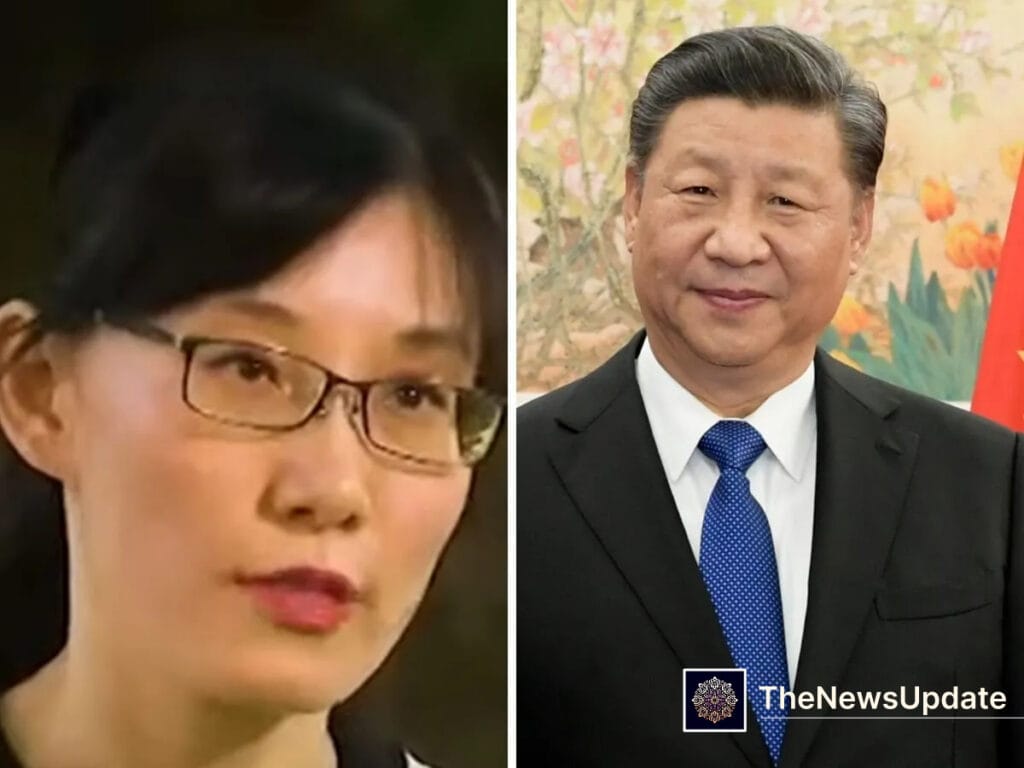
Li-Meng Yan, a Chinese virologist, became internationally known after claiming that Covid-19 was artificially developed in a Wuhan laboratory. Yan, who previously worked at a prestigious lab at the University of Hong Kong, alleged that the Chinese government deliberately amplified the virus and covered up its origins. These claims quickly generated controversy and attracted both global attention and criticism from mainstream scientists.
Her assertions created a deep rift within her family and professional circles, as colleagues and relatives struggled to reconcile her allegations with the official narratives emerging from Beijing. The focus keyword Li-Meng Yan China Revenge is central to understanding the ongoing tensions surrounding her story.
Fleeing China: Exile and support
Yan fled China in 2020 after raising concerns about the virus and alleging a government cover-up. According to media reports, her escape was aided by conservative organizations, including support from Steve Bannon and exiled billionaire Guo Wengui. Her plane ticket to the US was funded by these groups, who also facilitated meetings with top advisers to the US government. This move placed Yan in a highly visible and politically charged position, intensifying the risks she faced from Beijing.
Alleged family threats and Chinese government targeting
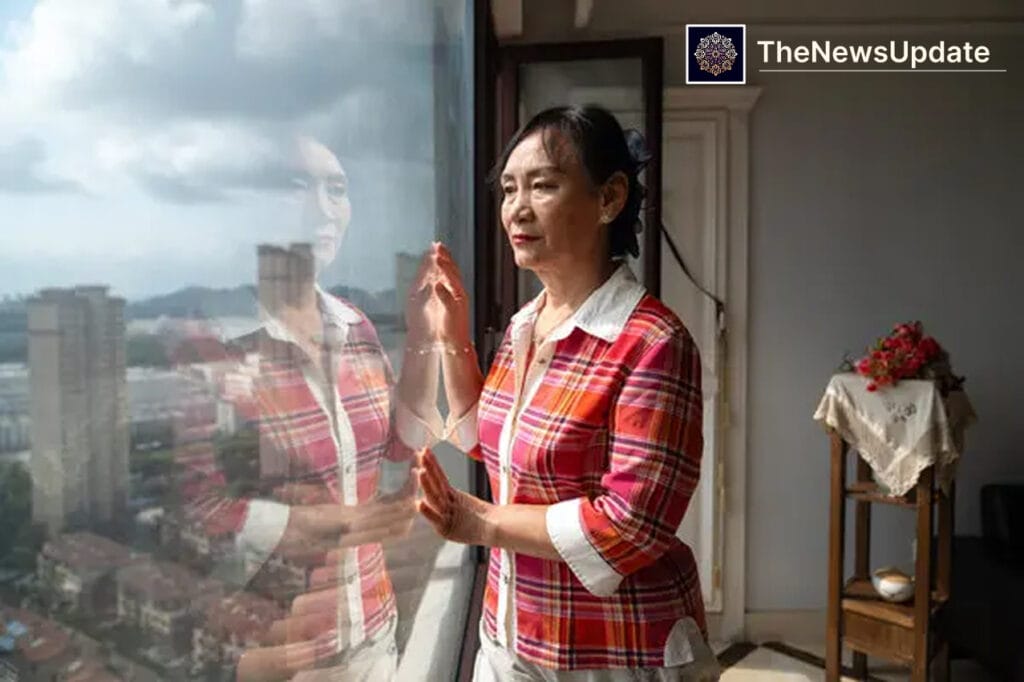
In interviews with US media, Yan stated that the Chinese Communist Party (CCP) has used her parents and husband as tools to coerce her into returning to China. She described this as an attempt to commit “the perfect crime” to erase the truth about the virus and avoid accountability. For over five years, according to Yan, Beijing has allegedly orchestrated intimidation and surveillance campaigns targeting her loved ones, effectively using them as leverage to silence her whistleblowing efforts.
Yan has chosen to sever contact with her family entirely, remaining in hiding to protect herself from potential retaliation.
Husband Ranawaka Perera speaks out
Her husband, Dr. Ranawaka Perera, a virologist of Sri Lankan origin, has stated that he wishes to speak with Yan at least once to confirm her safety. After Yan fled, Perera took a position at the University of Pennsylvania in 2021 and attempted to locate his wife. He emphasized his concern for her well-being, saying, “I just want to talk to her directly, and make sure that she’s safe. If she’s safe, and doesn’t want to be with me, I can move on. But not until I know exactly what happened. She is the person I love the most.”
Their personal story underscores the human cost of whistleblowing in politically sensitive contexts and highlights the intersection of personal relationships with geopolitical tensions.
Influencers and amplification of claims
Yan’s supporters argue that she acted independently in leaving China, while Perera contends that online influencers manipulated her by elevating her status as a Covid-19 expert. One such figure, Wang Dinggang, ran a YouTube channel criticizing Beijing and spreading content supportive of Yan’s claims. This amplification drew international attention but also complicated the narrative, creating a situation where personal safety, political agendas, and public discourse intersected dangerously.
State-sponsored harassment and security concerns
Yan’s experiences extend beyond threats to her family. In 2023, she and Wang Dinggang were reportedly identified as victims in a New York criminal complaint alleging a transnational repression campaign by Chinese authorities against US residents. Earlier this year, Google informed Yan that her accounts were likely targeted in a state-sponsored hacking attempt, emphasizing the ongoing cybersecurity risks she faces while in exile.
The focus keyword Li-Meng Yan China Revenge reflects both the personal and geopolitical dimensions of her situation, illustrating how whistleblowing against powerful governments can entail complex risks.
Conclusion: The international and personal stakes
Li-Meng Yan’s case represents a unique convergence of public health, international politics, and personal safety. Her claims about the origins of Covid-19 continue to fuel debate over transparency, accountability, and the role of whistleblowers in global health crises. The alleged targeting of her family by Beijing demonstrates the severe risks faced by those challenging state narratives, while her husband’s concern highlights the human toll behind geopolitical controversies.

As Yan remains in hiding, the international community, policymakers, and media continue to scrutinize her allegations, balancing the search for truth with the protection of those who speak out. The Li-Meng Yan China Revenge story serves as a cautionary tale about the dangers of whistleblowing in politically charged environments and the intricate interplay between personal lives and global affairs.
Related Reads
By The Morning News Informer — Updated Dec 8, 2025