Table of Contents
- Quick Summary
- What Buckingham Palace Announced
- Why the Decision Was Made
- Public, Political and Family Reactions
- What This Means for the Monarchy
- Conclusion: Accountability and the Road Ahead
Quick Summary
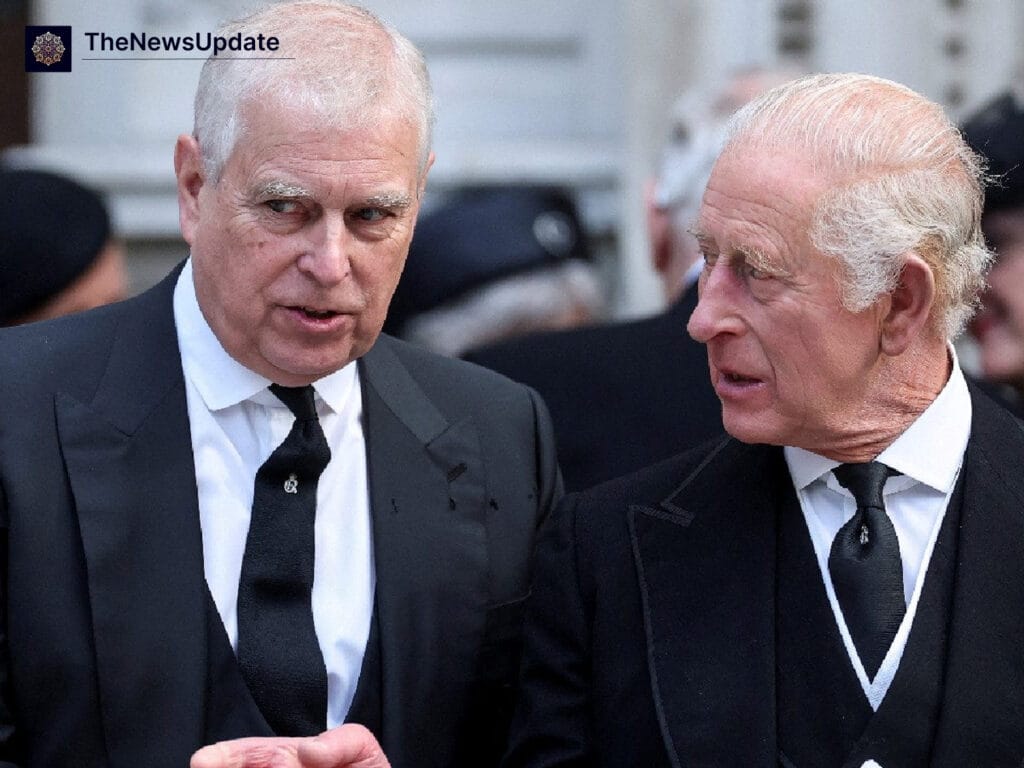
In a move described as one of the most significant modern royal censures, King Charles strips Prince Andrew of royal titles 2025. The Palace said Andrew will no longer be styled as “Prince” or hold the Duke of York title, and he will be required to surrender the lease on his Royal Lodge mansion at Windsor. From now on he will be known as Andrew Mountbatten Windsor, the Palace said.
What Buckingham Palace Announced
Buckingham Palace released a formal statement saying the King “initiated a formal process to remove the Style, Titles and Honours of Prince Andrew.” The notice included instructions to surrender his lease on Royal Lodge and to move to alternative private accommodation on the Sandringham estate King Charles Strips Prince Andrew of Royal. The Palace expressed sympathy for victims and survivors of abuse as part of the announcement.

The formal removal of Andrew’s titles follows a period in which several of his military affiliations and patronages were already stripped. The Palace emphasised that the measures were deemed necessary while Andrew continues to deny the allegations made against him.
Why the Decision Was Made
The decision comes amid renewed scrutiny of Prince Andrew’s links to the late convicted sex offender Jeffrey Epstein and resurfaced allegations by Virginia Giuffre and others. Media coverage in recent weeks — including the release of correspondence and heightened public pressure — intensified calls for action. The Palace framed the move as necessary to protect the institution of the monarchy and to show solidarity with victims of abuse.
Royal sources told outlets the King took the decision after careful consideration and with the support of senior family members, including the heir apparent. Constitutional and royal-watch commentators note the action balances a monarch’s prerogatives with the need to preserve public trust in the royal household.

Public, Political and Family Reactions
Reactions were swift. Media outlets across the world described the move as both dramatic and inevitable given the intensity of public scrutiny. Some commentators called it a necessary step toward modernising the monarchy’s accountability mechanisms; others cautioned about the constitutional and legal processes involved.
According to reporting, the King had support within the family, and the Prince of Wales was understood to back the action. The formal eviction from Royal Lodge followed recent revelations about Andrew’s lease arrangements and questions raised in parliamentary settings about his continued occupancy. The Palace’s explicit message of sympathy toward survivors framed the decision as protection of victims’ interests as well as institution-level damage control.
What This Means for the Monarchy
King Charles Strips Prince Andrew of Royal For an institution that depends in large part on public legitimacy, this decision is a signal that the monarchy will act decisively when required. Stripping a senior royal of long-held titles is rare — the last comparable episode on record used extraordinary measures in very different eras — and commentators have noted that such a move is intended to demonstrate that no one is above scrutiny in the modern constitutional monarchy.

Practically, Andrew loses not only a style but royal patronages, ceremonial roles and his public-facing duties. He will no longer be able to represent the royal household on official engagements. The decision also reduces any formal link between him and military or civic bodies that previously used his patronage. This shrinkage in public roles is likely to be permanent, analysts say.
Conclusion: Accountability and the Road Ahead
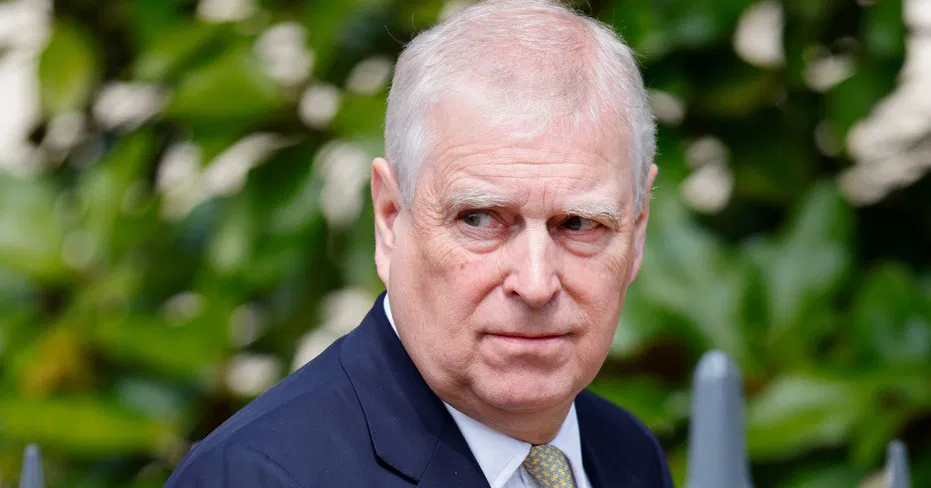
The move that King Charles strips Prince Andrew of royal titles 2025 is likely to dominate headlines for weeks and to reshape discussions about accountability, privilege, and the role of the royal family in 21st-century Britain. While the King continues treatment for a health condition, the timing reflects a determination at the senior-most level to act in defence of the monarchy’s standing.
Observers will be watching next steps closely: whether legal questions remain, how Andrew’s private life is reorganised, and how the royal family communicates future reforms. For the public, the case will be a test of whether symbolic steps translate into meaningful institutional change.

Related Reads
By HT News Desk — Updated October 31, 2025