The UK government has softened its controversial inheritance tax plan for farms, raising the tax-free threshold on inherited agricultural assets from £1m to £2.5m. The decision follows months of sustained protests by farmers, mounting pressure from rural MPs, and concerns that the original proposal risked harming family-run farms across the country.
The revised plan marks a significant climbdown from proposals announced at last year’s Budget, when ministers said they would impose a 20% inheritance tax on agricultural assets worth more than £1m from April 2026. That policy would have ended the 100% tax relief on farmland that had been in place since the 1980s.
Why the Government Changed Course
The announcement was made quietly after MPs had left Westminster for the Christmas recess, a move that did not go unnoticed by critics. Environment Secretary Emma Reynolds said the government had “listened closely to farmers across the country” and made changes to protect ordinary family farms.
यह भी पढ़े:
 Royal Yacht Britannia Visit to Ireland: ‘Superiority’ Concerns Revealed in Newly Released Files
“It’s only right that larger estates contribute more, while we back the farms and trading businesses that are the backbone of Britain’s rural communities,” Reynolds said.
The revised threshold, combined with existing spousal exemptions, means that farming couples could now pass on up to £5m in qualifying agricultural assets without paying inheritance tax.
Background: The Original Inheritance Tax Plan
In her first Budget in 2024, Chancellor Rachel Reeves announced plans to reverse the long-standing 100% inheritance tax relief on agricultural property. The policy was intended to prevent wealthy investors from buying farmland primarily as a tax avoidance tool.

Under the original proposal, inherited agricultural assets worth more than £1m would have been taxed at 20%, half the standard inheritance tax rate. The Treasury estimated the measure would raise around £520m a year by 2029.
Ministers argued that smaller farms would be protected, while large estates and non-farming investors would be forced to contribute more fairly to public finances.
Farmers Push Back
Almost immediately, the proposal sparked anger across rural Britain. Farmers warned that land values alone could push family farms above the £1m threshold, even if their actual incomes were modest.

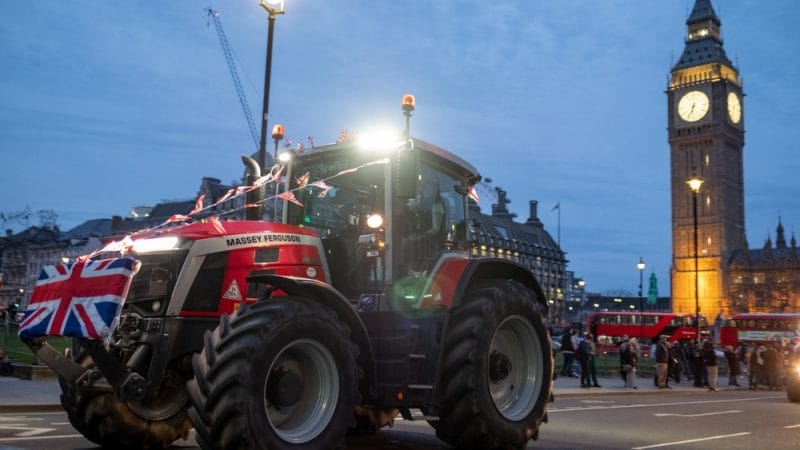
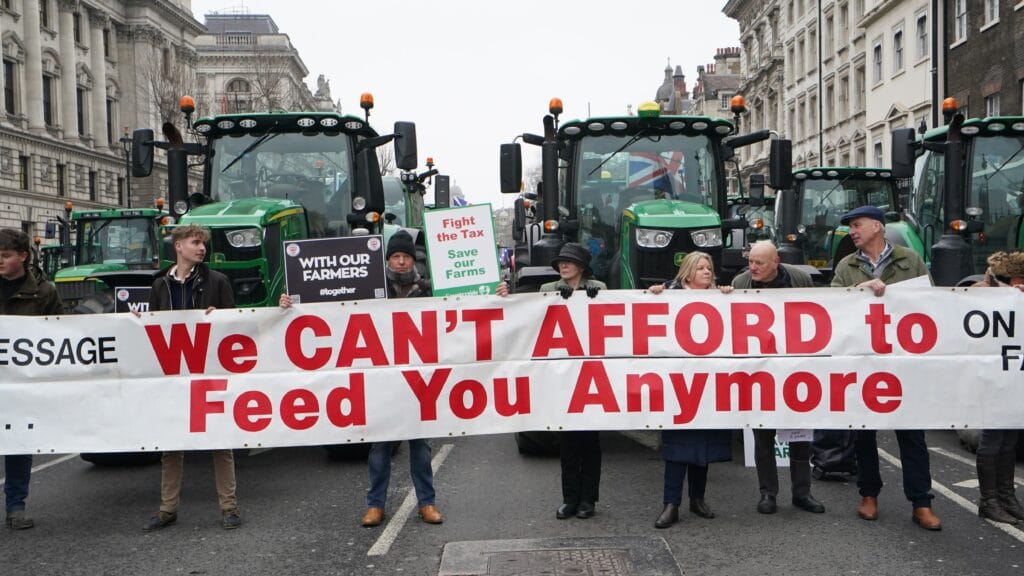
Over the past 14 months, farmers have staged repeated protests outside Parliament, using tractors and placards to draw attention to what they described as an existential threat to their livelihoods.
Ben Ardern, a third-generation beef and dairy farmer from Derbyshire, said the revised plan was “a step in the right direction” but did not go far enough.
“The government should drop it for family farms and just tax the people who have got the money to tax,” he said. “Big corporations buy land to avoid tax. Farmers buy land to grow food.”

Reaction from Farming Groups
Farming organisations welcomed the changes but warned that serious problems remain.
National Farmers’ Union president Tom Bradshaw said the revised threshold would remove many family farms “from the eye of a pernicious storm”.
However, Gavin Lane, president of the Country Land and Business Association, said the government’s concession only limited the damage rather than solving the problem.

“Many family businesses own expensive machinery and land that pushes them above the threshold, yet operate on narrow profit margins,” he said. “For them, this tax burden remains unaffordable.”
Political Fallout Within Labour
The inheritance tax plan for farms also exposed divisions within the Labour Party. Several Labour MPs representing rural constituencies raised concerns about the impact on family-run agricultural businesses.
At a recent parliamentary vote on the policy, a dozen Labour backbenchers abstained and one MP, Markus Campbell-Savours, voted against the government.
यह भी पढ़े:
 UK Will Rejoin Erasmus Student Scheme in 2027: What It Means for Students and Universities
Campbell-Savours was subsequently suspended from the parliamentary Labour Party and now sits as an independent MP, highlighting the political sensitivity of the issue.
Opposition Criticism Continues
Opposition parties have seized on the government’s U-turn, arguing that the revised policy still fails to protect family farms adequately.
Conservative leader Kemi Badenoch said the fight was not over, warning that other family businesses would still be affected.

“We will keep pushing until the tax is lifted from them too,” she said in a social media post.
Liberal Democrat MP Tim Farron accused the government of putting farmers through “over a year of uncertainty and anguish”. He said his party would submit amendments in the new year to reduce or scrap the tax entirely.
Reform UK deputy leader Richard Tice described the policy change as a “cynical climbdown” and called for the tax to be abolished altogether.

What the Revised Plan Means in Practice
Under the new proposal, the inheritance tax-free threshold for agricultural assets will rise to £2.5m. Above this level, a 50% relief will apply to remaining assets.
When combined with spousal exemptions, the changes significantly reduce the number of estates expected to be affected.
According to government estimates, around 1,100 estates are expected to pay more inheritance tax in 2026/27, down from approximately 2,000 under the original plan.

Balancing Fairness and Food Security
The government insists the revised inheritance tax plan for farms strikes a balance between fairness and protecting food production.
Ministers argue that without reform, farmland would continue to be used as a tax shelter by wealthy investors, driving up prices and making it harder for genuine farmers to expand or pass on their businesses.
Critics counter that food security, rural employment, and environmental stewardship depend on financially stable family farms, many of which are asset-rich but cash-poor.

A Pattern of Government U-Turns
The climbdown on farm inheritance tax is the latest in a series of policy reversals since the government was elected in July 2024.
Earlier this year, ministers eased planned cuts to winter fuel payments and backtracked on proposals to slash £5bn from the welfare budget.
Opponents argue these reversals suggest a lack of clarity in the government’s economic strategy, while ministers say they reflect a willingness to listen and adapt.

What Happens Next
The revised inheritance tax plan for farms is expected to come into force from April 2026, subject to parliamentary approval.
Farmer groups and opposition parties are likely to continue lobbying for further changes, particularly to exempt active family farms entirely.
As the debate continues, the government faces the challenge of raising revenue while maintaining trust among rural communities that form the backbone of the UK’s food system.

Conclusion
The decision to water down the inheritance tax plan for farms marks a significant political concession by the government. While the higher threshold will protect more family farms, critics argue it still fails to address deeper structural issues in agricultural taxation.
With farming livelihoods, food security, and rural economies at stake, the inheritance tax debate is far from over. The coming months will determine whether the revised policy brings stability to the sector or fuels further political and public backlash.