Table of Contents
- Background: What Triggered the IndiGo Disruptions?
- Nationwide Impact: 38 IndiGo Flights Cancelled from Delhi
- Why the Cancellations Happened: Crew Shortage, FDTL & Tech Glitches
- Passenger Reactions & Airport Chaos
- IndiGo’s Official Response & Recovery Steps
- Impact on Other Airlines: System Outages Across India
- What This Means for India’s Aviation Sector
- Conclusion: What’s Next for IndiGo and Indian Flyers?
- Related Reads
Background: What Triggered the IndiGo Disruptions?
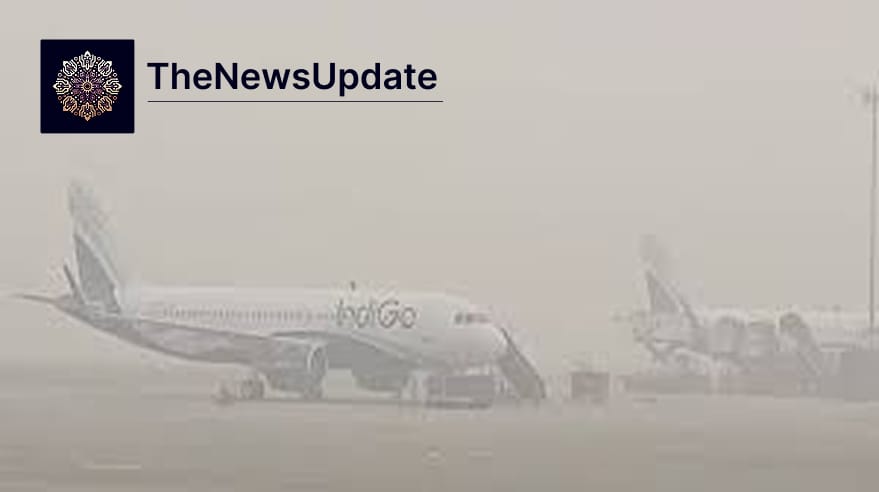
India’s civil aviation sector has been operating under intense pressure as travel demand rises, winter schedules tighten, and airlines confront workforce shortages. This pressure erupted into full-blown chaos on December 3, 2025, when dozens of IndiGo flights were cancelled from Delhi, sparking long queues, exhausted passengers, and an avalanche of complaints across social media.
Delhi’s Indira Gandhi International Airport (IGIA)—the busiest airport in India—became the epicentre of the disruptions, though ripple effects quickly spread across Bengaluru, Mumbai, Hyderabad, and other major hubs. What initially appeared to be a minor operational glitch soon escalated into a nationwide aviation crisis.

IndiGo, India’s largest airline by market share, has historically maintained a reputation for punctuality and efficient operations. But the events of the past 48 hours exposed vulnerabilities that had been quietly building: acute crew shortages, new regulatory constraints, technical outages affecting check-in systems, and congestion in air traffic flows across multiple metro airports.
Nationwide Impact: 38 IndiGo Flights Cancelled from Delhi
According to Delhi International Airport Limited (DIAL), at least 38 IndiGo flights were cancelled from Delhi between midnight Tuesday and Wednesday evening. These included both domestic and international routes, affecting thousands of flyers.
The situation was even more severe at other airports:

- Bengaluru Airport: 42 IndiGo cancellations
- Mumbai Airport: 32 flights cancelled
- Hyderabad Airport: 14 flights on Tuesday and 19 more on Wednesday
These numbers paint a clear picture: this was not an isolated issue limited to one hub but a network-wide slowdown affecting India’s most critical air routes.
Why the Cancellations Happened: Crew Shortage, FDTL & Tech Glitches
The central cause behind the surge in IndiGo flights cancelled from Delhi was attributed to crew shortages, amplified by the recent implementation of Flight Duty Time Limitations (FDTL) on November 1. The new rules reduce the number of hours pilots and cabin crew can legally operate, ensuring fatigue prevention and flight safety.
While FDTL reforms were expected to improve overall safety, they also tightened staffing requirements across the board. Airlines now need more crew members to maintain the same level of operations—a transition IndiGo appears to be struggling with.

Beyond staffing, a series of operational hurdles compounded the crisis:
- Technical glitches in airline systems
- Airport congestion due to seasonal travel density
- Adverse winter weather affecting runway availability
- Updated crew rostering systems causing scheduling conflicts
These “multiple unforeseen challenges,” as IndiGo described, created a cascading effect. Minor delays turned into major cancellations as crew rotations and aircraft assignments went out of alignment.
Passenger Reactions & Airport Chaos
Scenes across airports were chaotic. Passengers reported waiting in serpentine queues, receiving last-minute cancellation messages, and scrambling for alternative flights. Many alleged a lack of clear communication, while others expressed frustration over delays exceeding four to six hours.
यह भी पढ़े:
 Osman Hadi Killers Fled to India via Meghalaya Border: Dhaka Police Reveal Shocking Escape Route
Families with small children, elderly passengers, and international travelers faced the worst challenges, as connecting flights were disrupted and hotel accommodations quickly filled up.
Social media platforms like X (formerly Twitter) were flooded with videos of crowded terminals and angry flyers demanding better coordination. Several complained that ground staff appeared overwhelmed, understaffed, or under-informed about the evolving situation.
IndiGo’s Official Response & Recovery Steps
IndiGo acknowledged the severity of the situation and issued a detailed statement explaining the surge in cancellations. The airline noted that the disruptions were “significant” and that they stemmed from a mix of technical issues, system glitches, winter operational challenges, and FDTL compliance requirements.

To manage the crisis, the airline announced “calibrated adjustments” to its flight schedules for the next 48 hours. This includes:
- Reducing frequency on select routes
- Reallocating crew resources
- Streamlining airport operations
- Offering refunds or alternate flights to affected passengers
IndiGo added that teams were “working around the clock” to restore normalcy and stabilize punctuality levels across the network.
Impact on Other Airlines: System Outages Across India
While IndiGo bore the brunt, other airlines were not untouched. Air India, Akasa Air, and SpiceJet all reported delays after Amadeus—the global flight check-in software used by multiple carriers—experienced a temporary outage.
यह भी पढ़े:
 Bulldozer Raj Karnataka Demolitions: Congress Govt Faces Backlash After 400 Muslims Left Homeless
Although the system was restored within an hour, the timing coincided with peak evening operations, resulting in additional delays and longer wait times at airports.
This highlighted a broader structural concern: India’s aviation network relies heavily on a shared technological infrastructure, making it vulnerable to cascading disruptions.
What This Means for India’s Aviation Sector
The disruptions raise critical questions about airline staffing models, regulatory impacts, and technological resilience. With winter schedules already demanding, the aviation sector needs more robust contingency planning to ensure stability.

Experts say the combination of FDTL reforms, high travel demand, congested skies, and staffing gaps could create periodic disruptions unless airlines expand recruitment and invest in better rostering technologies.
If not addressed systematically, incidents like IndiGo flights cancelled from Delhi may recur more frequently.
Conclusion: What’s Next for IndiGo and Indian Flyers?
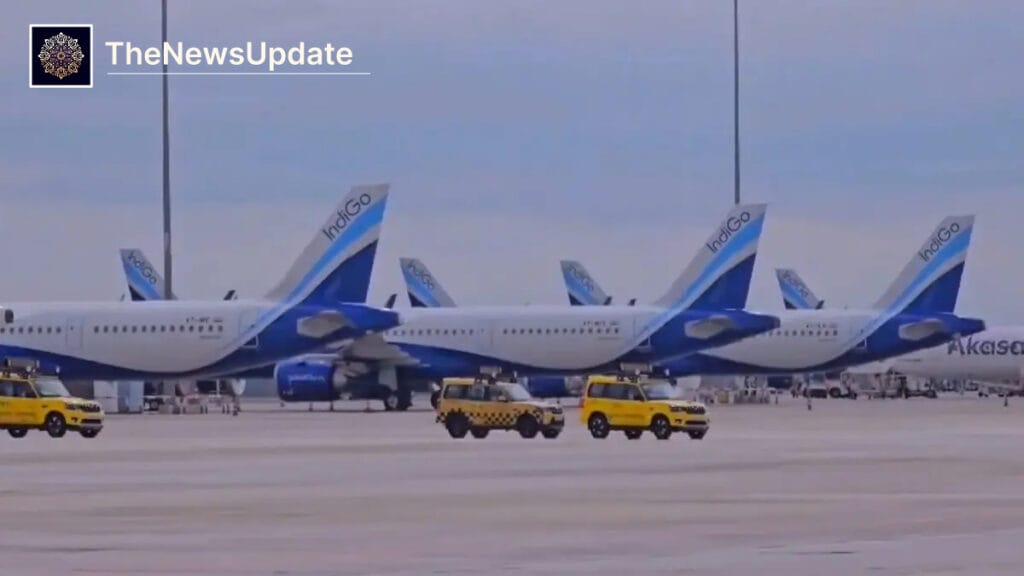
The coming 48 hours will be crucial in determining how quickly IndiGo can stabilize operations and restore confidence among passengers. While the airline has promised a structured recovery plan, the underlying issues—crew availability, system reliability, and airspace congestion—require long-term solutions.

For now, passengers are advised to monitor flight status regularly, arrive early at airports, and be prepared for possible last-minute changes. IndiGo has requested flyers to use its official flight status tracker for real-time updates.
Related Reads
For continued updates on India’s fintech and digital finance developments, visit our Tech News section and The News Update.
By HT News Desk — Updated December 03, 2025