The IndiGo flight cancellations have triggered one of the most significant aviation crises India has witnessed in recent years. As operational disruptions entered Day 3, the airline cancelled more than 750 flights in a single day, causing widespread chaos at major airports across the country. This comes on the heels of more than 550 cancellations on the previous day, pushing the total number of disrupted flights into the thousands within a 72-hour window.
Passengers at Delhi, Mumbai, Bengaluru, Chennai, Hyderabad, Pune, Kolkata, Ahmedabad, Jaipur, Srinagar, and Patna found themselves stranded, confused, and increasingly frustrated as IndiGo struggled to cope with an unprecedented meltdown. India’s largest airline, which operates hundreds of daily flights, has attributed the disruption to a severe pilot shortage combined with the impact of the newly implemented Flight Duty Time Limitations (FDTL) regulations.
A Complete Shutdown of IndiGo Operations in Delhi
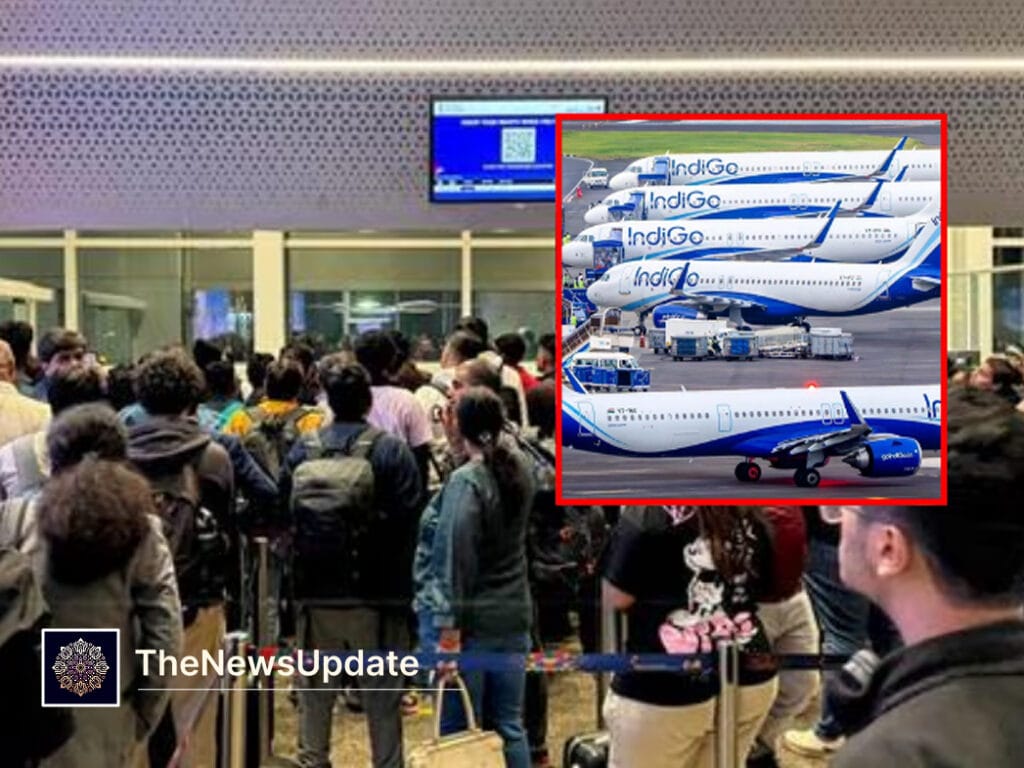
Delhi witnessed the most dramatic impact of the crisis. According to officials, all 235 IndiGo flights scheduled at Delhi Airport were cancelled until midnight. With thousands of passengers arriving at the airport only to discover their flights grounded, the terminals quickly became overcrowded.
यह भी पढ़े:
 Osman Hadi Killers Fled to India via Meghalaya Border: Dhaka Police Reveal Shocking Escape Route
Airport staff reported that frustration levels were extremely high as passengers struggled to obtain clear answers regarding alternative arrangements or refunds. Many were seen waiting for hours at check-in counters, hoping to reschedule flights or secure last-minute tickets on other airlines, which quickly sold out due to the surge in demand.
The situation in Delhi highlighted the severity of the crisis and raised larger concerns about operational planning and workforce management within India’s largest low-cost carrier.
How FDTL Norms and Pilot Shortage Collided to Create a Perfect Storm
IndiGo has cited two main reasons behind the crisis: a shortfall of available pilots and the tightening of flight duty regulations under the revised FDTL norms. These rules govern the maximum number of hours pilots can operate and the minimum rest periods required between duties.
यह भी पढ़े:
 Bulldozer Raj Karnataka Demolitions: Congress Govt Faces Backlash After 400 Muslims Left Homeless
The new FDTL regulations came at a difficult time. IndiGo is already operating a stretched winter schedule—a period traditionally known for high demand, fog-related delays, and increased operational pressure. The mandatory increase in pilot rest hours created a ripple effect, reducing available cockpit crew and forcing large-scale cancellations.
The airline conveyed during a review meeting with the Civil Aviation Minister that the complete transition to the new norms may not stabilise operations until February 2026. IndiGo has requested partial relaxations in the FDTL rules to allow a smoother adjustment period amid a visible shortage of trained pilots.
Major Airports Across India Hit Hard
The operational disruption was not limited to Delhi. Several major airports across the country witnessed widespread cancellations and delays:

- Mumbai: 104 flights cancelled, including 53 departures and 51 arrivals.
- Bengaluru: 102 flights disrupted, leading to long queues and widespread passenger frustration.
- Hyderabad: 61 arriving and 71 departing flights cancelled.
- Chennai: Operations expected to remain affected until the evening.
- Pune: 32 flights cancelled during early hours, with parking bay congestion intensifying delays.
- Kolkata: Over 92 cancellations and 320 delays over a span of three days.
- Ahmedabad: 86 total cancellations.
- Srinagar and Jammu: 17 flights cancelled, affecting regional connectivity.
- Jaipur: 34 cancellations and 18 delays.
- Patna: Nine IndiGo flights cancelled.
- Chandigarh: Seven cancellations reported.
In several airports, especially Pune and Bengaluru, grounded IndiGo aircraft remained stationary for hours due to the unavailability of captains and first officers. This led to a domino effect that delayed multiple airlines operating later flights due to limited parking bays and tarmac constraints.
Passengers Left Stranded With Little Information
One of the harshest criticisms IndiGo has faced during the crisis is the alleged lack of timely communication. Passengers across multiple airports reported receiving cancellation updates at the last minute, sometimes only after arriving at the airport.
With thousands of travellers stranded, scenes of overcrowding, confusion, and exhaustion emerged. Families with children, office-goers on urgent travel schedules, elderly passengers, and international travellers all struggled to secure alternative accommodations or flights.
Many passengers shared their experiences on social media platforms, expressing frustration over delayed notifications, lack of clear instructions, and insufficient customer service staff at help desks. Several users posted videos showing long queues, crowded waiting areas, and passengers sleeping on terminal floors.
IndiGo Issues Third Apology in 48 Hours
Facing mounting backlash, IndiGo issued its third formal apology within 48 hours. In its statement, the airline emphasised that teams were working “tirelessly” in coordination with airport operators and aviation regulators such as DGCA, BCAS, AAI, and the Ministry of Civil Aviation to streamline operations.
The airline reiterated:
यह भी पढ़े:
 Canada Hospital Killed Indian-Origin Man: Wife Alleges Medical Negligence After 8-Hour Wait
“IndiGo deeply regrets the inconvenience caused and remains fully committed to stabilising and streamlining operations as quickly as possible.”
Despite the apology, passengers continued to demand clearer communication, immediate compensation mechanisms, and faster resolution processes.
Impact on Business Travellers and Tourism Sector
The massive flight cancellations have put significant strain on the business travel sector. December is a peak month for conferences, year-end corporate events, and business meetings. Many travellers missed critical engagements due to last-minute cancellations.
The tourism sector has also taken a hit. With Christmas and New Year approaching, flight disruptions risk affecting holiday plans nationwide. Travel agencies reported a surge in rebooking requests, hotel cancellations, and inquiries about compensation policies.
Some hotels near major airports reported last-minute bookings from stranded passengers seeking urgent accommodation after hours-long delays.
Ripple Effects on Other Airlines
The IndiGo crisis has not remained limited to the airline alone. Other carriers such as Air India, Akasa Air, SpiceJet, and Vistara have experienced overwhelming demand for last-minute bookings. Fares skyrocketed within minutes as passengers scrambled to secure alternative flights.

Airports reported increased congestion at counters for other airlines, further straining airport infrastructure.
Government Response and Possible Interventions
The Union Civil Aviation Minister convened an emergency review meeting in response to the escalating crisis. During the session, IndiGo management admitted that the new FDTL rules had compounded their existing crew shortages.
The government is now considering options to ensure continuity of domestic aviation services, including:
- Temporary relaxation of FDTL for critical routes
- Emergency hiring protocols for airlines
- Stricter monitoring of schedule planning
- Improved passenger grievance redressal systems
However, no formal decision has yet been announced.
When Will the Crisis End?
According to IndiGo’s internal assessment, the full stabilisation of operations may only be possible by early 2026. However, the immediate goal is to reduce cancellations and restore a majority of scheduled flights over the next several days.
The extent of recovery will depend largely on:

- Availability of rested and trained pilots
- Operational flexibility under FDTL norms
- Weather conditions during the fog season
- Coordination between airports and regulatory authorities
For now, passengers are strongly advised to check flight status before leaving for the airport and to keep an eye on official updates from IndiGo.
Conclusion
The ongoing IndiGo crisis has highlighted critical vulnerabilities within India’s aviation ecosystem. With over 750 flights cancelled today alone, the situation underscores how regulatory changes, workforce shortages, and operational pressures can converge to create nationwide disruption. As thousands of passengers continue to face uncertainty, IndiGo must prioritise communication, customer support, and operational restructuring to regain stability.
Until the airline fully resolves its crew shortage and adapts to the new FDTL rules, passengers must brace for continued delays and cancellations in the coming days.

For continued updates on India’s fintech and digital finance developments, visit our Tech News section and The News Update.