By The Morning News Informer — Updated December 11, 2025
Table of Contents
- What Happened? An Overview of the IndiGo Flight Cancellations Crisis
- Why Flights Were Cancelled: Operational and Regulatory Factors
- Government and Regulator Response
- IndiGo’s Leadership Speaks — Apology and Actions
- Impact on Passengers, Finances and India’s Aviation Sector
- Lessons and What Comes Next
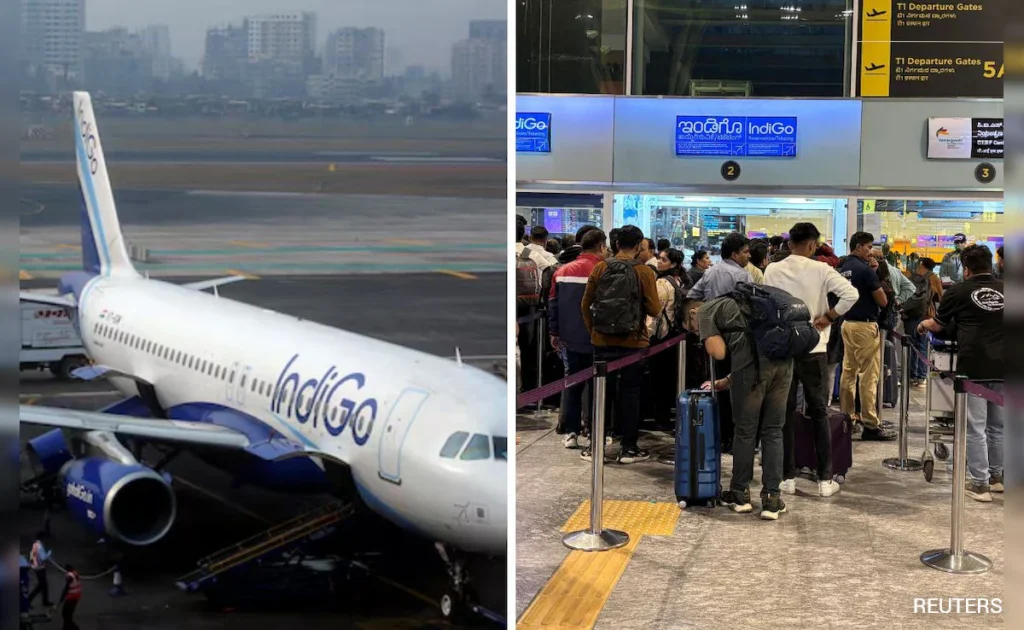
What Happened? An Overview of the IndiGo Flight Cancellations Crisis
The IndiGo flight cancellations crisis erupted in early December 2025, unfolding into one of the most serious operational disruptions in the history of India’s aviation sector. At the heart of the crisis were thousands of cancelled flights, stranded passengers, distressed airport scenes, and persistent criticism of the airline’s planning and execution.
यह भी पढ़े:
 Osman Hadi Killers Fled to India via Meghalaya Border: Dhaka Police Reveal Shocking Escape Route
Reports indicate that the airline was forced to cancel hundreds of flights daily, with figures suggesting that over 2,000 flights — out of its typical 2,300 daily operations — were scrubbed during peak days of the crisis. The fallout quickly attracted attention from regulators, industry critics, and political leaders alike.
While initial discussions focused on crew shortages and weather, deeper analysis revealed that structural issues related to the implementation of revised pilot duty norms — coupled with internal operational planning gaps — played a pivotal role. This combination led to a cascading effect: passengers stranded, schedules disrupted, airfares spiking, and airline trust dipping.
Why Flights Were Cancelled: Operational and Regulatory Factors
The airline itself has cited a “combination of factors” behind its mass flight cancellations, explicitly including the impact of updated pilot duty and rest regulations introduced by the Directorate General of Civil Aviation (DGCA).
यह भी पढ़े:
 Bulldozer Raj Karnataka Demolitions: Congress Govt Faces Backlash After 400 Muslims Left Homeless
These revised “Flight Duty Time Limitations (FDTL)” regulations were designed to enhance air safety by reducing pilot fatigue, increasing rest hours, and limiting the number of night duties a pilot can undertake. While safety advocates welcomed the measures, the timing and execution of the transition proved challenging for IndiGo.
Key elements of these new FDTL norms include:
- Extended mandatory weekly rest periods for pilots (e.g., increasing from 36 to 48 hours).
- Stricter limits on night landings and consecutive duty hours.
- More rigorous requirements for crew rostering and fatigue management.
Industry sources and pilots’ associations have argued that these changes significantly increased the number of pilots needed to maintain schedulers effectively, a transition IndiGo was reportedly unprepared for. Notably, the airline ran a freeze on pilot hiring in the preceding months, contributing to a shortage when the rules came into full effect.

Operational logistics were further strained by winter weather patterns, congested airspace at major airports, and technology glitches, which in many cases compounded cancellations and delays. These elements combined to create a “perfect storm” that proved especially difficult for the airline’s scheduling system to handle.
Government and Regulator Response
The Indian government and aviation regulator DGCA took the crisis seriously, initiating multiple actions to address both immediate disruptions and systemic issues in the airline industry.
Civil Aviation Minister Ram Mohan Naidu accused IndiGo’s management of “gross mismanagement” and planning lapses that led to domino effects of flight cancellations, emphasizing that other carriers were operating without similar disruptions.
While the DGCA has historically provided a 2-year preparatory period for implementation of the new rules, the airline’s performance raised questions about strategic foresight. Moody’s rating agency also weighed in, indicating that recent disruptions point to “significant lapses in planning” that could negatively affect IndiGo’s creditworthiness.
In response, the DGCA drastically increased oversight of IndiGo’s operations. An eight-member supervisory team was deployed to monitor daily flight operations, crew utilization, pilot availability, and schedule reliability.
Moreover, regulators have ordered IndiGo to cut schedules by approximately 10% in an effort to stabilize operations and ensure that flight commitments can be met consistently.
यह भी पढ़े:
 Canada Hospital Killed Indian-Origin Man: Wife Alleges Medical Negligence After 8-Hour Wait
IndiGo’s Leadership Speaks — Apology and Actions
IndiGo Chairman Vikram Singh Mehta publicly addressed the crisis in a video statement, marking the airline’s first detailed explanation of events. While he denied any deliberate intent behind the cancellations, Mehta acknowledged that the airline “let customers down.”
Mehta stressed that the airline would bring in external technical experts to identify root causes and prevent a recurrence, signaling a commitment to transparency and corrective action.
The airline also rolled out customer compensation measures, including travel vouchers worth ₹10,000 for passengers affected by significant cancellations earlier in the month. These vouchers are valid for 12 months and aim to restore goodwill among disrupted travellers.
Despite these measures, many critics — including aviation experts and passengers — remain skeptical about timeline and accountability. Some have pointed out that the airline did not adequately communicate cancellations in advance, leaving travellers stranded and frustrated.
Impact on Passengers, Finances and India’s Aviation Sector
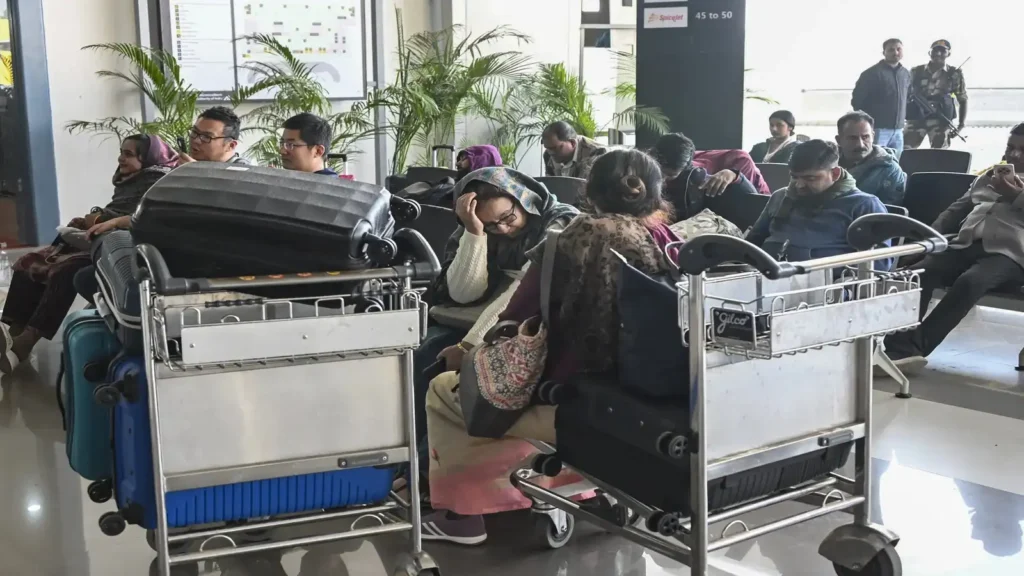
For travellers, the IndiGo flight cancellations crisis has been disruptive and costly. Thousands of passengers faced last-minute cancellations, long waits at airports, and uncertainty about rebooking — a situation that also placed pressure on alternative carriers.
Financially, the crisis is expected to have near-term negative impacts on IndiGo’s performance. Credit rating agency ICRA warned that the airline’s profitability and revenue metrics could suffer due to refund payouts, compensation, and increased operational costs.

Moreover, the disruptions have triggered industry-wide discussions about the risks of over-dependence on a single carrier. Some aviation policymakers have called for fostering greater competition and capacity in India’s airline market to enhance resilience against similar shocks in future.
Lessons and What Comes Next
The fallout from the IndiGo flight cancellations crisis highlights several critical lessons for the airline industry:
- Preparation for Regulatory Change: Robust strategic planning is essential when implementing safety and duty regulations that materially affect operations.
- Communication with Customers: Advance, clear communication during disruptions can mitigate passenger frustration and reputational damage.
- Industry Resilience: Diversified airline competition helps stabilize national air travel networks.
Looking ahead, the crisis has prompted both regulatory introspection and industry initiatives to bolster operational resilience. IndiGo has signaled plans to recruit and train additional pilot crews, revise rostering systems, and strengthen contingency preparedness.
Regular monitoring by the DGCA and continued dialogue between airlines and regulators will likely shape how India’s aviation sector evolves in the coming year — with safety and reliability as central priorities.
Related Reads
By The Morning News Informer — Updated December 11, 2025