By The Morning News Informer | Updated December 15, 2025
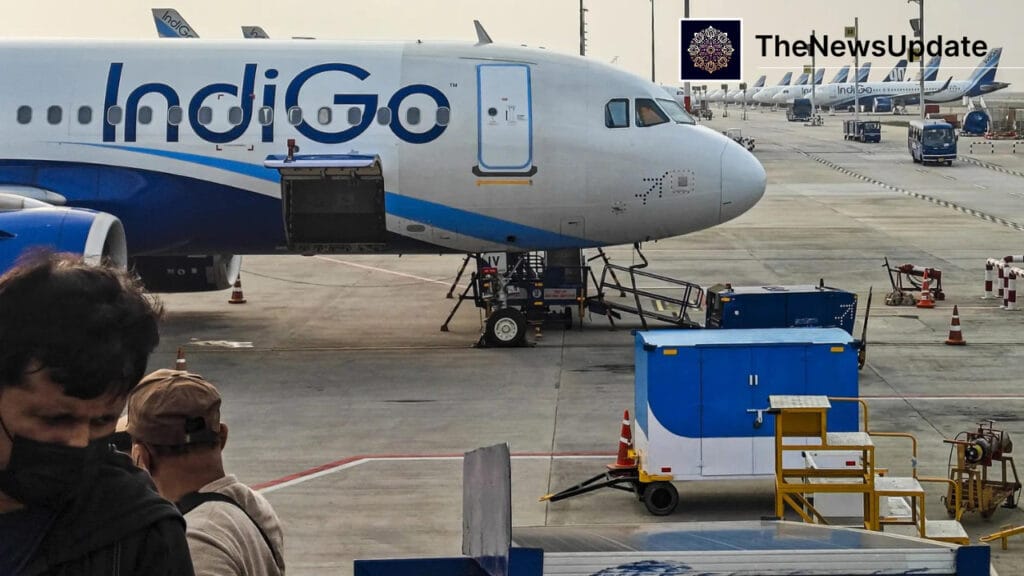
When millions of Indian passengers were stranded due to the massive IndiGo crisis Air India in December, a surprising reality emerged. Despite being the country’s oldest airline and now backed by the Tata Group, Air India was not instinctively seen as the alternative. The disruption exposed not just operational gaps at IndiGo, but a deeper tragedy in Indian aviation — the erosion of trust in the Maharaja of the skies.
For decades, Air India symbolised reliability, national pride, and global connectivity. Yet during one of the biggest aviation disruptions in recent memory, it barely featured in public conversations as a rescue option. That silence spoke louder than any cancellation notice.
यह भी पढ़े:
 Osman Hadi Killers Fled to India via Meghalaya Border: Dhaka Police Reveal Shocking Escape Route
The IndiGo crisis Air India and Its Human Cost
The IndiGo crisis unfolded after new pilot duty time norms led to the cancellation of hundreds of flights across the country. Airports were overwhelmed, customer helplines jammed, and social media flooded with frustration. With IndiGo controlling nearly 65% of India’s domestic market, its operational paralysis grounded lakhs of passengers.
What stood out was the lack of viable alternatives. Other private carriers were too small to absorb the shock. And Air India — despite its fleet, legacy, and resources — did not emerge as the obvious fallback.
This revealed a structural imbalance that has been building quietly for years in India’s aviation ecosystem.
यह भी पढ़े:
 Bulldozer Raj Karnataka Demolitions: Congress Govt Faces Backlash After 400 Muslims Left Homeless
Air India’s Long Shadow of the Past
Most Indians above the age of 30 took their first flight on Air India. Once the default choice, the airline slowly slipped into a pattern of delays, inconsistent service, and bureaucratic inefficiency. Years of government control weakened its operational discipline and diluted its brand.
Even after its return to the Tata Group, bad memories have not been overwritten overnight. Passengers still recall long waits on tarmacs, unresponsive customer service, and planes held up for VIP movements. Trust, once lost, is painfully slow to regain.
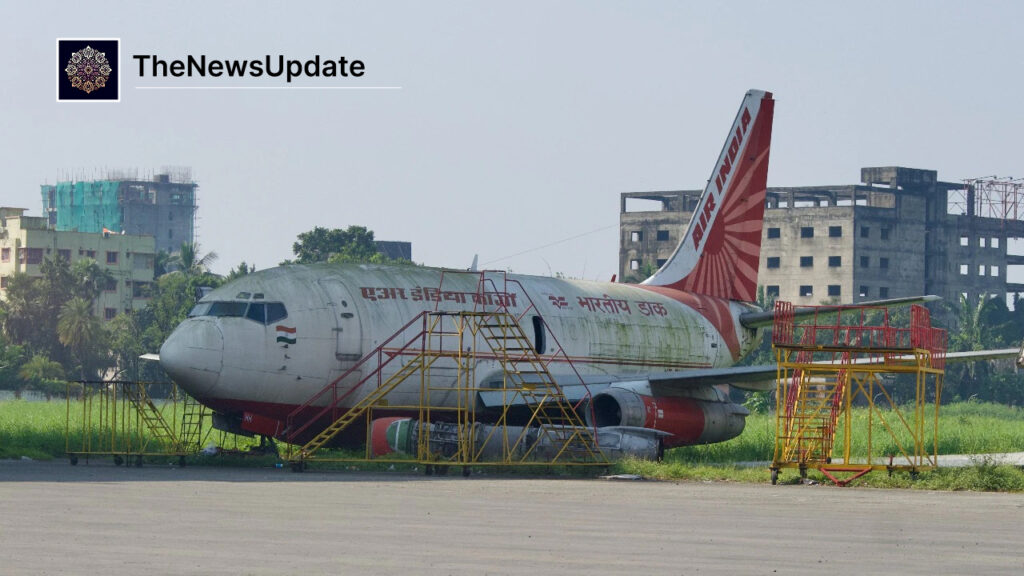
The airline’s rediscovery of a 43-year-old Boeing 737 abandoned at Kolkata airport became a metaphor for institutional amnesia — symbolic of how deeply rooted its challenges are.

Vistara Merger: A Strategic Gamble
The merger of Vistara into Air India in November 2024 was meant to accelerate the revival. Vistara, a joint venture between Tata Sons and Singapore Airlines, had built a loyal customer base through punctuality, service quality, and consistency.
Instead of Vistara lifting Air India overnight, the integration highlighted cultural and operational contrasts. Many passengers felt the merger diluted a winning brand rather than transforming the legacy carrier.
While Vistara created goodwill within a decade, Air India must now work harder to convince flyers that the Maharaja has truly changed.
Fleet Size vs Operational Excellence
Air India Group currently operates around 302 aircraft, including Air India Express, compared to IndiGo’s 417 aircraft. However, aviation success is not just about numbers.
IndiGo’s dominance comes from ruthless efficiency — single aircraft type operations, lean crew rostering, fast turnarounds, and military-grade discipline. Air India, in contrast, operates a complex mix of Airbus and Boeing aircraft, increasing costs and operational complexity.
Several of Air India’s wide-body aircraft, including Boeing 787 Dreamliners and 777s, are undergoing retrofits, further limiting immediate capacity.
यह भी पढ़े:
 Canada Hospital Killed Indian-Origin Man: Wife Alleges Medical Negligence After 8-Hour Wait
Why Air India Didn’t Seize the Moment
During the IndiGo crisis, Air India refrained from flashy fare sales or aggressive market-share grabs. Strategically, it chose restraint over opportunism. But perception matters in moments of chaos.
When passengers desperately searched for alternatives, Air India did not instinctively register as a dependable solution. That gap in public confidence is the real tragedy.
As Aviation Minister K Ram Mohan Naidu recently noted, India needs five airlines with at least 100 aircraft each to avoid such crises. The fact that Air India wasn’t counted among immediate solutions is telling.
The Monopoly Problem in Indian Aviation
IndiGo’s growth coincided with the collapse of several private carriers over the years. As Air India survived on government bailouts, IndiGo captured entire routes and built near-monopolies.
When disruptions occur in such a concentrated market, passengers have nowhere to turn. This is not just an airline issue — it is a systemic risk to India’s mobility and economy.
For deeper insight into India’s infrastructure challenges, read our analysis on India’s transport and infrastructure bottlenecks.
Signs of a Slow Revival
There are reasons to believe Air India is laying the groundwork for a comeback. The airline has ordered 570 aircraft, with over 500 yet to be delivered. Global supply chain constraints have slowed deliveries, but insiders expect 2026 to be a breakout year.
Air India plans to operate 275 additional flights in December after the government temporarily cut IndiGo’s capacity. Upgraded cabins, modern in-flight entertainment, fast-charging ports, and aggressive brand campaigns signal intent.
Crucially, Air India is betting on consistency rather than spectacle.
Trust Is the Final Frontier
The biggest challenge facing Air India is not fleet size or advertising spend — it is trust. Aviation is unforgiving. Passengers remember delays far longer than discounts.
If Vistara could build credibility in under a decade, Air India can reclaim its stature — but only through relentless reliability. The Maharaja must become synonymous again with dependability, not nostalgia.
As we noted in our earlier coverage on Indian aviation reforms here, structural change takes time, but perception changes faster when performance follows.

Conclusion: A Crisis Within a Crisis
The IndiGo crisis was disruptive, but the deeper tragedy was the absence of a trusted backup. That India’s national carrier was not automatically seen as the answer reveals how far Air India still has to go.
Yet, the opportunity remains. With Tata stewardship, massive aircraft orders, and renewed focus on service, Air India stands at the threshold of redemption.
The skies are waiting. So are the passengers. The Maharaja must now earn his crown back — flight by flight.