Background on Sanchar Saathi and Telecom Security
India has emerged as one of the world’s largest mobile markets, boasting over 1.2 billion subscribers India Sanchar Saathi App. With such scale, ensuring the security of mobile devices is a critical priority for the government. The state-owned cyber security app, Sanchar Saathi, launched in January 2025, aims to safeguard users against cyber threats, fraudulent connections, and stolen devices. The app allows users to verify IMEI numbers, report suspicious calls, and block lost or stolen phones through a centralized registry.
Since its launch, Sanchar Saathi has achieved significant milestones, including over 5 million downloads and blocking more than 3.7 million lost or stolen mobile devices. Additionally, the app has terminated over 30 million fraudulent connections, highlighting its importance in securing India’s telecom ecosystem and helping authorities trace criminal activity.
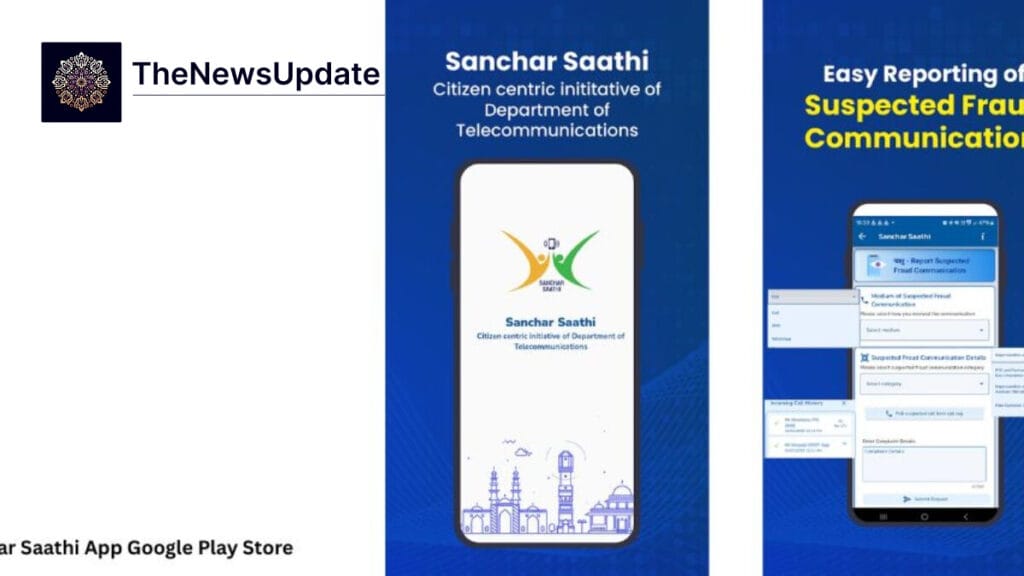
Government Mandate for Pre-Installed App
On November 28, 2025, the Indian telecoms ministry issued a private order instructing all major smartphone manufacturers to preload Sanchar Saathi on every new device within 90 days. Crucially, the app cannot be deleted by users. For devices already in the supply chain, companies are required to distribute the app through software updates.
यह भी पढ़े:
 Osman Hadi Killers Fled to India via Meghalaya Border: Dhaka Police Reveal Shocking Escape Route
The government described the move as essential to combat “serious endangerment” of telecom cybersecurity, particularly from duplicate or spoofed IMEI numbers that facilitate scams and network misuse. This pre-installation directive covers both Android and iOS devices, affecting manufacturers including Apple, Samsung, Vivo, Oppo, and Xiaomi.
Industry Response and Privacy Concerns
The mandate is likely to raise privacy concerns, particularly with Apple, whose iOS policies typically prevent pre-installation of government or third-party apps before sale. Analysts suggest that Apple may seek a compromise, perhaps offering users an option to install the app during device setup rather than forcing it as non-removable.
“Apple has historically refused such requests from governments,” said Tarun Pathak, Research Director at Counterpoint Research. “It’s likely to seek a middle ground instead of full compliance.”
यह भी पढ़े:
 Bulldozer Raj Karnataka Demolitions: Congress Govt Faces Backlash After 400 Muslims Left Homeless
While Android manufacturers may have fewer restrictions, the requirement will still be challenging for companies to implement without affecting user experience. The government has not publicly released the order, sending it privately to select manufacturers instead. Requests for comments from Apple, Google, Samsung, and Xiaomi went unanswered, as did inquiries to the telecom ministry.
Impact on Users and Cybersecurity
The mandatory inclusion of Sanchar Saathi will have significant implications for users and the broader cybersecurity landscape:
- Stolen Phone Recovery: Users can report lost or stolen devices, blocking them and helping authorities trace them.
- IMEI Verification: Protects consumers from fraudulent phones and ensures legitimate device registration.
- Prevention of Fraud: Helps terminate fake connections and prevent telecom scams.
- Privacy Concerns: Non-deletable apps may spark debate over personal device control and data privacy.

According to government data, the app has successfully recovered over 700,000 lost phones, including 50,000 in October 2025 alone. By ensuring all new phones carry the app, authorities hope to strengthen surveillance against cybercriminals, reduce counterfeit devices, and enhance national telecom security.

Conclusion and Future Outlook
The Indian government’s decision to mandate the pre-installation of Sanchar Saathi represents a significant step toward securing the country’s telecom infrastructure. While the policy may spark debate among privacy advocates and technology companies, the app’s proven track record in recovering lost devices and blocking fraudulent connections highlights its potential benefits.
Going forward, manufacturers and policymakers will need to navigate the delicate balance between cybersecurity, user privacy, and operational feasibility. Users may see enhanced device protection, while companies will adapt strategies to comply with the mandate without compromising brand reputation.
Related Reads
For continued updates on India’s fintech and digital finance developments, visit our Tech News section and The News Update.

By The News Update — Updated Dec 1, 2025