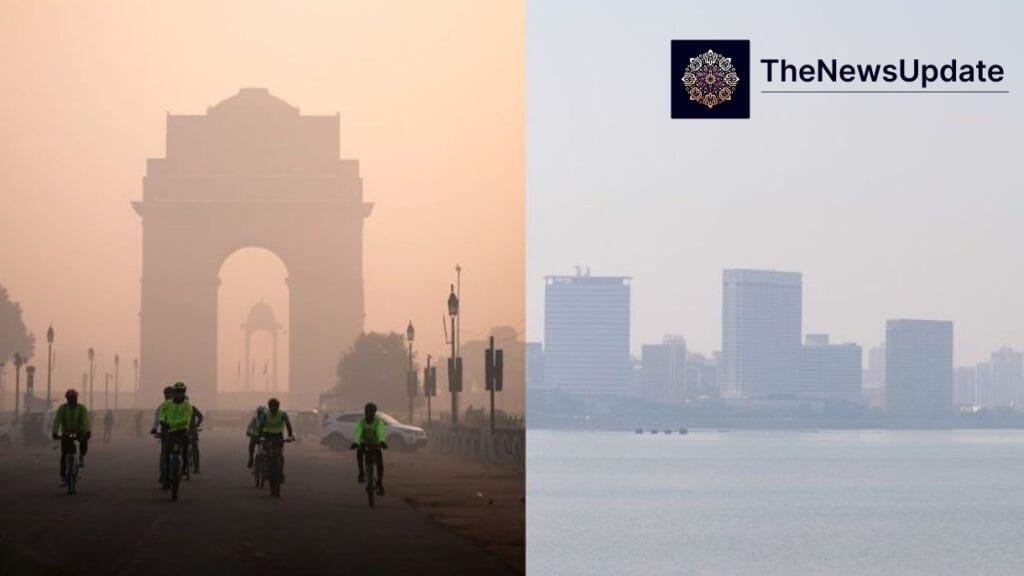
Northern India faces some of the world’s most dangerous winter pollution levels. The haze turns skies grey, irritates the throat with every breath, and forces millions to check air-quality apps before stepping outdoors. But depending on which app they check—SAFAR, SAMEER, IQAir, or other global trackers—the AQI number they see can vary dramatically. The confusion largely comes from one controversial policy: India caps AQI at 500, even though actual pollution can be far more toxic.
This article explains why India caps AQI at 500, whether the system is outdated, how global agencies measure hazardous air, and why citizens see much higher readings on international monitors.
Table of Contents
- Why Does India Cap AQI at 500?
- How India’s AQI Differs from WHO and Global Standards
- Why Private Trackers Show AQI Above 600 or Even 1000
- Sensors vs Government Monitors: How Readings Differ
- Why Experts Want the AQI Scale Revised
- Public Health Risks of Extreme Pollution
- Conclusion
- FAQ
Why Does India Cap AQI at 500?
India’s national air-quality scale, launched more than a decade ago, sets 500 as the maximum value on the AQI. Anything above 400 is considered “severe,” and 500 is treated as the worst possible reading. But experts reveal that the cap was not based on science—it was introduced primarily to avoid public panic when pollution spikes.
यह भी पढ़े:
 Osman Hadi Killers Fled to India via Meghalaya Border: Dhaka Police Reveal Shocking Escape Route
According to SAFAR founder Gufran Beig, the assumption was that air quality beyond 500 would cause similar health effects, so the scale did not need to go higher. However, the flaw is evident today: cities like Delhi regularly cross 600, 800, and even 1000 AQI during peak winter pollution.
How India’s AQI Differs from WHO and Global Standards
India’s AQI thresholds are significantly more lenient than global benchmarks. For example, the World Health Organization classifies PM2.5 levels above 15 µg/m³ as hazardous. In contrast, India sets its “safe” threshold at 60 µg/m³—four times higher.
This difference explains why comparing India’s AQI with U.S. or WHO-based indices can be misleading. Each country calibrates its AQI based on local data and policy considerations.
यह भी पढ़े:
 Bulldozer Raj Karnataka Demolitions: Congress Govt Faces Backlash After 400 Muslims Left Homeless
Why Private Trackers Show AQI Above 600 or Even 1000
Platforms like IQAir, OpenAQ, and global environmental databases often display AQI values well beyond 500 because they do not impose artificial caps. Their goal is to reflect actual conditions, even if the numbers look alarming.
For instance, IQAir frequently reports readings between 600 and 900 in Delhi during peak smog weeks—numbers that never appear on India’s official AQI dashboards.
Sensors vs Government Monitors: Why Readings Differ
Another reason for discrepancies is the technology used. Government-run pollution stations use BAM (Beta Attenuation Monitors), which measure particulate matter accurately but are expensive and harder to maintain.

Most private devices, including the ones sold for home use, rely on laser-scattering sensors. These can overestimate particle counts during heavy smog. This makes them excellent early-warning tools but not always perfect for regulatory purposes.
According to environmental scientist Abhijeet Pathak, sensor-based devices have not been approved by the Indian government for official monitoring. This adds to the confusion about which numbers the public should trust.
Why Experts Want the AQI Scale Revised
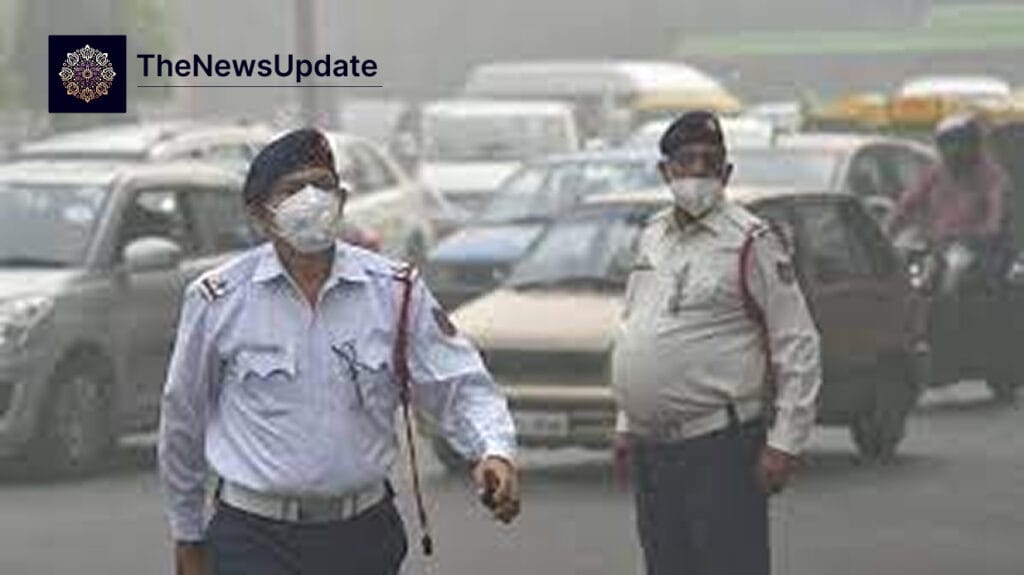
India’s AQI system was last comprehensively updated in 2009. Since then, scientific understanding of air pollution and its health effects has advanced dramatically. Numerous environmental researchers argue that India must:

- Remove the upper AQI cap of 500
- Recalibrate pollutant thresholds
- Integrate sensor-based data into the national network
- Increase monitoring coverage across rural and urban areas
Experts warn that continuing with a capped AQI hides the true severity of toxic air, making public-health planning ineffective.
Public Health Risks of Extreme Pollution
Doctors report that whenever AQI crosses 300, respiratory illnesses spike. At levels above 500, even healthy individuals may experience:
- Breathing difficulty
- Burning eyes
- Nausea and headaches
- Chest tightness
- Reduced lung function
Long-term exposure increases the risk of chronic diseases such as asthma, COPD, and cardiovascular illness. This is why many physicians urge the government to report actual AQI values, not capped figures.
यह भी पढ़े:
 Canada Hospital Killed Indian-Origin Man: Wife Alleges Medical Negligence After 8-Hour Wait
Conclusion
India caps AQI at 500 not because pollution stops there, but because its system was designed with a ceiling. As smog intensifies across northern India, experts warn that transparency in reporting is essential to protect public health. Updating the AQI scale, removing the 500 cap, and integrating modern sensor technology will help citizens better understand—and respond to—dangerous air-quality conditions.
Frequently Asked Questions (FAQ)
1. Why does India cap AQI at 500?
India caps AQI at 500 because the original system was designed with an upper limit to avoid public panic and simplify reporting. Pollution regularly exceeds this cap today.
2. Can AQI go above 1000?
Yes. Global sensors have recorded AQI above 1000 in heavily polluted regions, especially during winter.

3. Why do different apps show different AQI readings?
Government apps cap values at 500, while private and global monitors show uncapped actual readings based on sensor data.
4. Is India planning to update the AQI scale?
Experts are urging the government to revise the AQI framework, but no official nationwide update has been announced yet.
For more environmental updates, read our latest report On The News Update: India Records Spike in Winter Pollution Levels Across Major Cities