Table of Contents
- Lead: A verdict that reopens old wounds
- Background: The Nithari discoveries and the original inquiry
- The verdict explained: Why the Supreme Court acquitted Koli
- Families speak: “If not them, then who?”
- Alleged investigation failures and unanswered leads
- What legal options remain for victims’ families?
- Wider implications: Policing, trust and reform
- Conclusion: Seeking closure in the shadow of doubt
- Related reads
Lead: A verdict that reopens old wounds
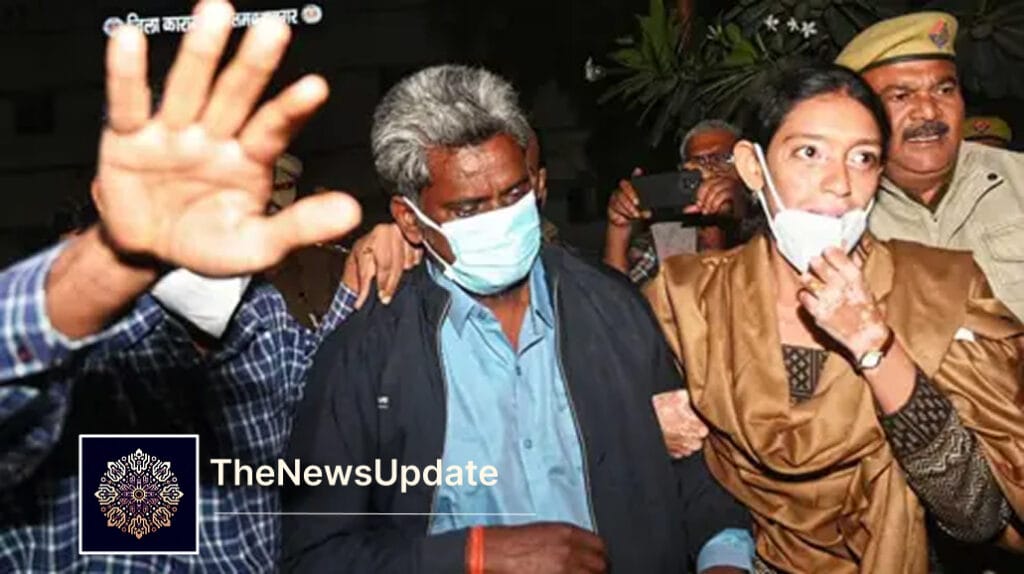
The Supreme Court’s recent decision to acquit Surinder Koli has thrown the long, painful Nithari saga back into the national spotlight. The Nithari killings acquittal leaves families asking the most anguished question: if these two men were not responsible, then who killed our children? Nearly 20 years after skeletal remains and body parts were discovered near bungalow D5 in Nithari, Noida, parents and campaigners say the judgment strips away years of hard-won closure and exposes deep problems in how the investigation was handled. This article lays out the background of the case, the court’s reasoning in the acquittal, the reaction from victims’ families, and the limited paths left for justice and reform.
Background: The Nithari discoveries and the original inquiry
In December 2006, the neighbourhood of Nithari — a slum area adjacent to wealthier homes in Noida — was shaken when residents and police unearthed human remains near a bungalow known as D5. Investigations eventually implicated Moninder Singh Pandher, the bungalow owner, and his domestic help, Surinder Koli. Police and federal investigators alleged a pattern of abductions, sexual assault and murder; public outrage followed as reports suggested bodies had been cut with surgical precision and that victims were largely poor children from nearby slums.
The case quickly became a national sensation: the contrast between the affluent setting and the impoverished victims intensified public anger, and accusations flew about police negligence after families reported children missing with little or no response. Over the following years Pandher and Koli were tried in multiple cases, some convictions were secured, and both men were at times sentenced to death or imprisoned — until a series of reversals and acquittals gradually eroded the legal certainty around who was guilty Nithari killings acquittal.
यह भी पढ़े:
 Osman Hadi Killers Fled to India via Meghalaya Border: Dhaka Police Reveal Shocking Escape Route
The verdict explained: Why the Supreme Court acquitted Koli
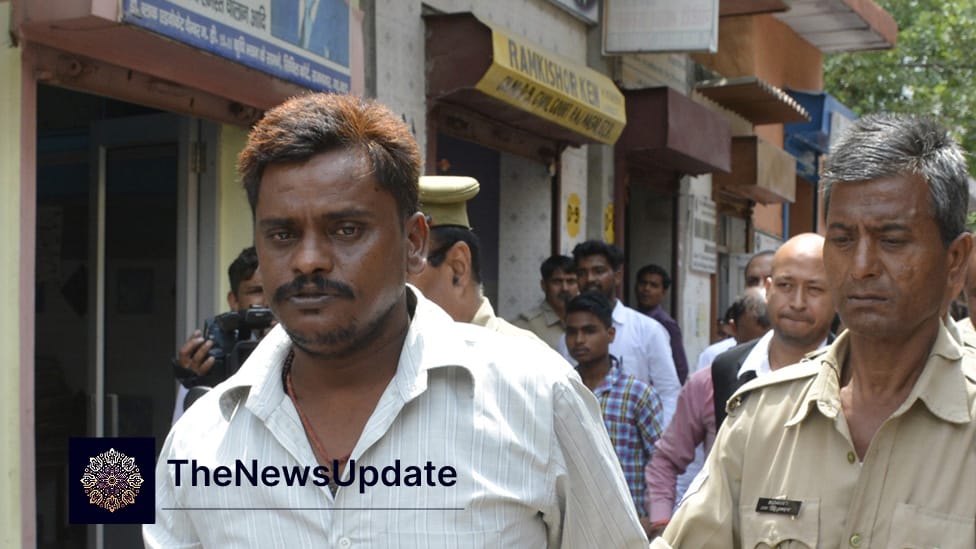
On 12 November, the Supreme Court set aside the remaining conviction against Surinder Koli, citing serious doubts about the voluntariness and reliability of his confession. The judges concluded that Koli’s confession — which had contained graphic claims, including allegations of cannibalism and sexual violence — was likely extracted under duress after prolonged custody. The court observed that the confession was recorded after roughly 60 days in custody and that the presence and proximity of investigating officers during the process raised the real possibility of coercion or “tutoring”.
Crucially, the bench criticised investigative agencies for a “flawed” and “negligent” approach that focused on easy attribution rather than following all leads. The judges said certain potential avenues of inquiry, including an organ-trade theory flagged earlier by a governmental committee, were not adequately pursued. In overturning the conviction, the court emphasised the need for proof beyond reasonable doubt and pointed to gaps that made the earlier verdicts unsafe.
Families speak: “If not them, then who?”
For the parents who lost children — and those who spent years fighting for answers — the legal outcome is devastating. Sunita Kanaujia, who lost her 10-year-old daughter Jyoti in 2005, and other families told reporters they feel robbed of justice. Many of the victims’ relatives had already endured long, agonising legal processes and now face a return to uncertainty.
यह भी पढ़े:
 Bulldozer Raj Karnataka Demolitions: Congress Govt Faces Backlash After 400 Muslims Left Homeless
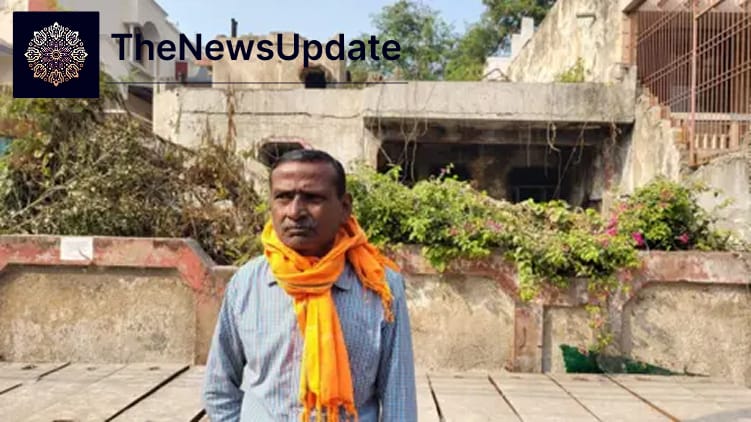
“If they are innocent, then how come they were in prison for 18 years?” asks Sunita, her grief still raw. Jhabbu Lal Kanaujia, who helped unearth remains from a drain and campaigned tirelessly for the case to be taken seriously, describes the judgement as a fresh wound. His part in exposing the crimes — climbing into sewers, collecting evidence and pressing police to act — left him convinced that wrongdoing had occurred; the court’s comments about investigative lapses have simply replaced certainty about perpetrators with anger and a search for the real culprits.
Alleged investigation failures and unanswered leads
The Supreme Court’s language reflected long-standing criticism of the probe. Local residents and campaigners have long alleged that the initial police response was lethargic, that missing-person complaints were brushed off as elopements, and that early opportunities to trace abductions were missed. After skulls and bones were recovered, a public outcry forced administrative action: police transfers, suspensions and the case’s transfer to federal investigators. Yet many locals say essential leads were neglected.
One particularly troubling omission, noted by both activists and the court, was the superficial treatment of the so-called organ-trade angle. Some investigators at the time suggested body parts might have been removed with a level of surgical precision that raised questions about professional involvement; those leads were not fully probed, the court observed. The order also criticised the tendency of investigators to anchor on the “easy course” of framing a poor, vulnerable servant rather than pursuing a wider net of suspects.

What legal options remain for victims’ families?
Legally, the Supreme Court is the highest forum. The acquittal means few conventional legal remedies remain for families to overturn the decision. Some lawyers point to a slim possibility: a petition asking the Supreme Court to order a reinvestigation. But as retired Supreme Court Justice Madan Lokur noted, the passage of time — missing evidence, degraded forensic material and fading memories — makes a productive reinvestigation unlikely to succeed in identifying perpetrators with legal certainty.
Families and campaign groups can still pursue alternative paths: push for administrative action against errant police officers, demand independent inquiries, seek compensation for victims, and lobby for parliamentary or ministerial attention to reopen lines of inquiry. Yet none of these routes offers the legal finality of a conviction; instead they provide political and moral pressure that may or may not yield new evidence.
Wider implications: Policing, trust and reform
Beyond the immediate heartbreak, the Nithari killings acquittal raises systemic questions. How did so many missing-person reports fail to produce timely action? What procedural safeguards are in place — or absent — to prevent coerced confessions and ensure custodial interrogations meet legal standards? And how does institutional failure affect the most marginalised victims, who often lack resources to demand scrutiny?

The case has long been a touchstone for debates on policing in India: allegations of bias against victims from poorer communities, weak forensic capacity in some jurisdictions, and the pressure on investigators to produce quick results that can sometimes skew the process. The court’s censure of investigative negligence should spur reforms: clearer protocols for recording confessions, better oversight of custodial interrogation, and stronger protections for vulnerable suspects — all measures that, if implemented, might reduce wrongful convictions and improve trust in criminal justice.
Conclusion: Seeking closure in the shadow of doubt
The acquittal in the Nithari saga does not close the book on grief. It simply leaves victims’ families where they began — with questions, sorrow and an urgent demand for truth. For parents like Sunita and Jhabbu Lal, legal technicalities provide little solace when a child is missing or when remains have already been recovered and identified. The Nithari killings acquittal therefore becomes not only a legal milestone but a challenge to the institutions charged with protecting society’s most vulnerable.
If anything constructive can come from this chapter, it is the chance to rebuild investigative standards, to hold to account those who mishandled the probe, and to renew efforts to find the real perpetrators — if they can be found. For now, families will continue to press their questions: “Who killed our children?” and “Who will make us whole?” Until those answers — or at least credible steps toward them — are provided, the wounds of Nithari will remain painfully open.
यह भी पढ़े:
 Canada Hospital Killed Indian-Origin Man: Wife Alleges Medical Negligence After 8-Hour Wait
Related reads
By The Morning News Informer— Updated 26 November 2025