Background: Hong Kong’s Political Landscape
Hong Kong’s Legislative Council (LegCo) elections are always closely watched, but this year’s vote carried added weight after recent tragic events Hong Kong LegCo Election Amid Deadly Fire. The city, home to over seven million residents, has faced a complex political environment since Beijing implemented sweeping changes to the electoral system. These reforms, aimed at ensuring only “patriots” could run for office, have effectively barred many opposition candidates, weakening traditional democratic representation.
Voter apathy has been a growing concern, with the previous 2021 LegCo election recording the lowest turnout in history at just 30%. This year, authorities hoped to reverse the trend by promoting voting heavily and incentivizing participation with gifts, vouchers, and public events.
The Tai Po Fire and Its Impact
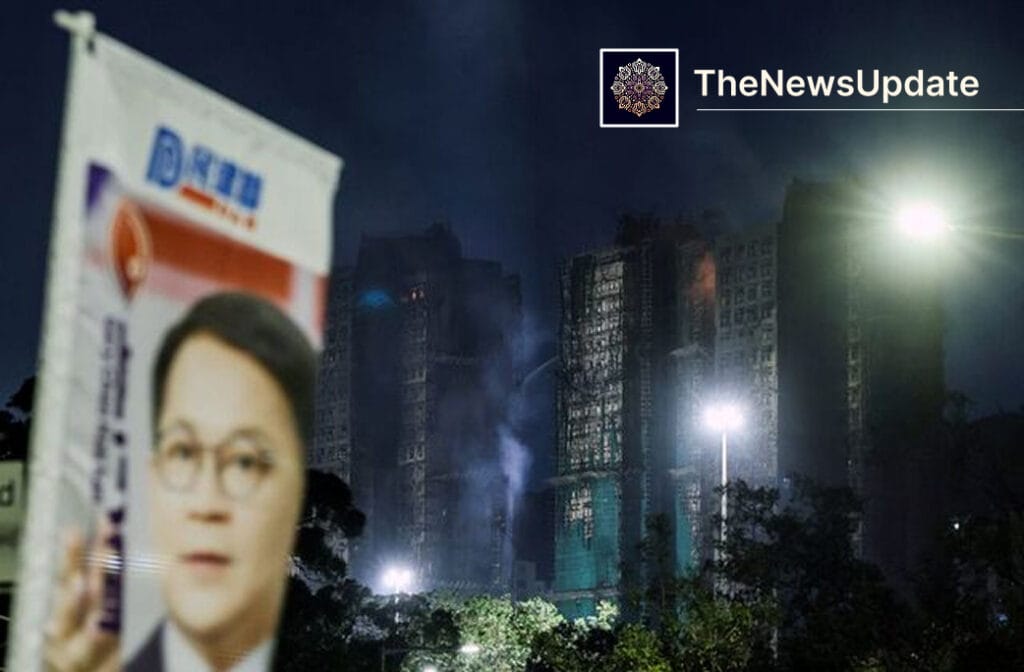
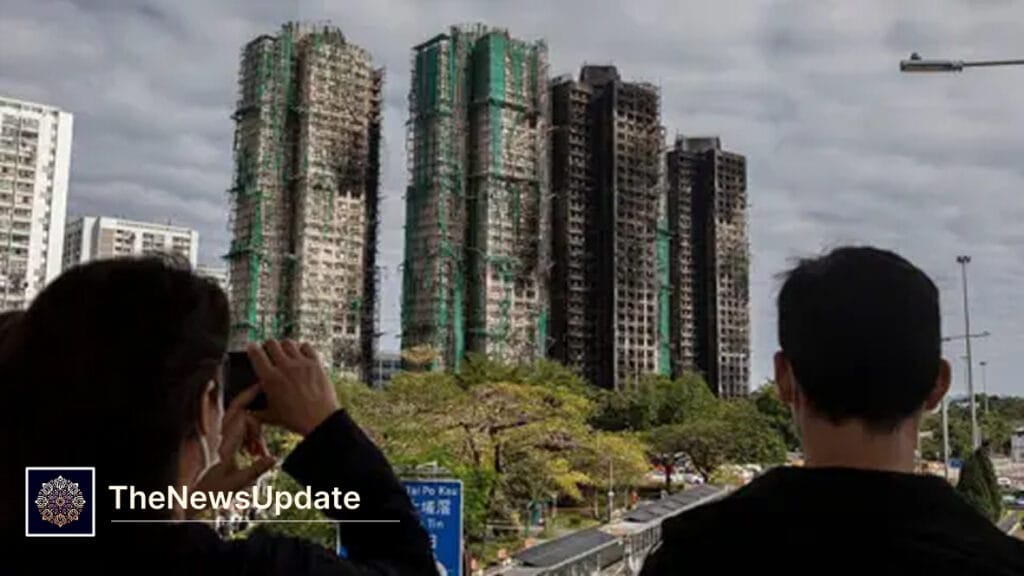
Tragedy struck Hong Kong on 26 November when a fire engulfed high-rise residential blocks at Wang Fuk Court in Tai Po, resulting in the death of 159 people, a number that may rise as recovery efforts continue. This was the deadliest fire the city has seen in more than 70 years, leaving families mourning and prompting urgent questions about building safety standards. Many Hongkongers live in older high-rise buildings, making the incident resonate deeply across the city.

The blaze spread quickly, aided by flammable scaffolding mesh used in renovations, which failed to meet flame-retardant standards. Authorities have since ordered the removal of all similar scaffolding across Hong Kong. An independent investigation committee has been established, and 13 people have been arrested on suspicion of manslaughter. Amid grief, the city has faced both scrutiny over governance and rapid efforts at providing aid to survivors.
The LegCo Election Campaign
Despite the tragedy, Hong Kong’s government pressed ahead with the LegCo elections. The campaign was unusual in its scale, featuring citywide posters, cartoon mascots, a theme song adapted from Cantopop star Aaron Kwok’s 2001 hit, and incentives for voters. Free museum and swimming pool entry, carnivals, televised variety shows, and shopping vouchers were all part of the effort to encourage residents to vote.
A total of 161 candidates competed for 90 seats in the LegCo. Of these, 20 were directly elected, while nearly half were selected by the pro-Beijing Election Committee and the remainder by special interest groups such as business and trade sectors. The elections were conducted under the shadow of stringent vetting to ensure loyalty to Beijing, with opposition pan-democrat voices largely absent from the ballot.

Election Day: Turnout and Voter Sentiment
On election day, voter turnout was 31.9%, slightly above the previous low in 2021. Approximately 1.3 million out of 4.1 million registered voters participated. Authorities emphasized a “happy and festive mood,” but the Tai Po fire cast a somber shadow over proceedings. Many residents were focused on mourning and questioning governance, which likely influenced voter behavior.
Officials distributed “thank you cards” redeemable for shopping vouchers, beauty services, medical check-ups, and insurance premiums after casting a vote. Nonetheless, mobilizing pro-establishment voters remained challenging, as sentiments varied between appreciation for rapid relief efforts and frustration over governance lapses revealed by the fire.
Reactions and Analysis
Experts noted that the reshaped electoral system may gain perceived legitimacy if turnout is higher, but the recent disaster complicated voter motivation. John P Burns, a Chinese politics expert at the University of Hong Kong, commented that while some residents were impressed by quick re-housing and aid, others stayed away due to anger and disappointment at governance failures. The absence of opposition candidates further contributed to voter apathy.

Authorities also faced criticism for swiftly detaining activists petitioning for an independent inquiry into the fire, including a former district councillor. Political campaigning was suspended immediately after the blaze, with some events canceled. However, Chief Executive John Lee emphasized the importance of proceeding with the election to ensure the new legislators could aid in reconstruction and reform efforts.
The pro-Beijing media and Hong Kong’s national security office encouraged participation, urging citizens to vote as a demonstration of support for reconstruction and stability. Local media also reported that several older incumbents were pressured to retire by Beijing, leading to a significant influx of new faces in the LegCo.
Building Safety Reforms and Investigations
The Tai Po fire has triggered urgent measures to improve building safety across Hong Kong. Investigations revealed that scaffolding mesh and other flammable materials contributed to the rapid spread of the fire. Authorities have removed all scaffolding mesh from ongoing renovations and initiated broader inspections of aging high-rise buildings.

An independent committee is probing the fire’s causes, and 13 individuals have been arrested on manslaughter charges. The government also faces scrutiny for how building safety is enforced, as many older high-rises share similar vulnerabilities. Public awareness campaigns and stricter safety regulations are expected as part of long-term reforms.
Conclusion: Moving Forward Amid Tragedy
The Hong Kong LegCo election amid the Tai Po fire tragedy highlighted the complex interplay of politics, public sentiment, and governance. While the voter turnout reflected both engagement and ongoing apathy, the fire underscored pressing issues of building safety and governmental accountability. As Hongkongers continue to mourn, the city’s authorities are tasked with balancing reconstruction, electoral legitimacy, and safety reforms.
Looking ahead, the new legislators face immediate challenges: implementing safety reforms, supporting disaster victims, and restoring public confidence. The Tai Po fire has become a stark reminder of the city’s vulnerabilities, and how Hong Kong navigates recovery will define its governance credibility and social resilience in the years to come.

Related Reads
By The News Update — Updated 8 December 2025