By The Morning News Informer — Updated November 21, 2025
The Diplomatic Dilemma: Hasina, Exile and a Death Sentence Hasina conviction India Bangladesh ties
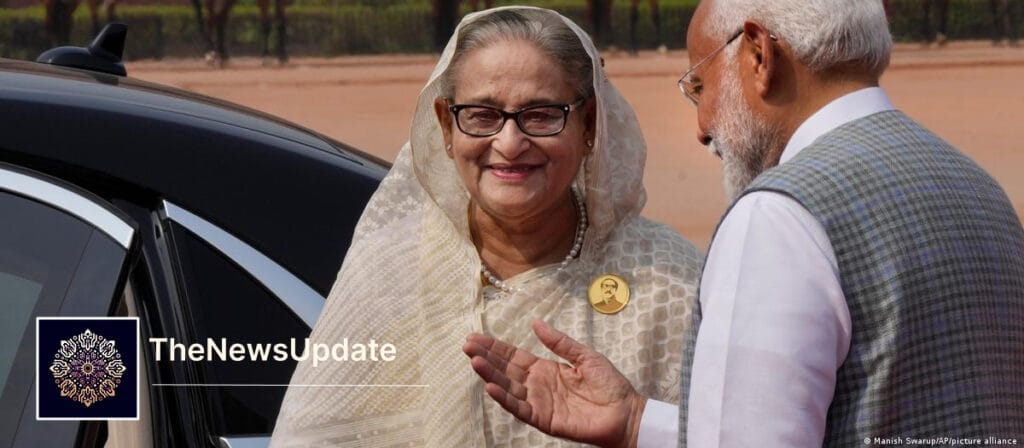
Former Bangladesh prime minister Sheikh Hasina was sentenced to death in absentia by a special tribunal in Dhaka for crimes against humanity over the violent crackdown on last year’s student-led protests — a verdict that immediately put India in an awkward position because Hasina is currently in exile on Indian soil.
Dhaka has formally requested extradition and even signalled plans to approach Interpol, but New Delhi has shown no inclination to hand her over, citing legal and political complexities that make extradition unlikely. That refusal has turned what New Delhi called initial humanitarian asylum into a diplomatic bind testing decades of close cooperation.
यह भी पढ़े:
 Osman Hadi Killers Fled to India via Meghalaya Border: Dhaka Police Reveal Shocking Escape Route
Why Hasina Mattered to India
For fifteen years Hasina was a profoundly valuable partner for New Delhi: she delivered stability, helped keep China’s influence in check, advanced connectivity projects, and cooperated on energy and security issues. Those ties were the product of long-standing geopolitical and economic overlap rooted in India’s pivotal support for Bangladesh’s formation and development.
The two countries’ economic interdependence is substantial: bilateral trade approached roughly $13 billion last year, with Bangladesh relying heavily on Indian raw materials, energy supplies and transit routes — creating a relationship neither side can easily discard.
India’s Limited Options — Four Unappealing Paths
Analysts argue India faces four main choices, each costly in different ways: extradite Hasina (politically unlikely), maintain the status quo (risky if Dhaka escalates), pressure Hasina to keep silent (difficult to enforce), or find a third country to host her (most countries reluctant to take a high-profile exile with serious legal charges). New Delhi has largely opted for quiet management so far, preferring careful diplomacy over headline-grabbing moves.
यह भी पढ़े:
 Bulldozer Raj Karnataka Demolitions: Congress Govt Faces Backlash After 400 Muslims Left Homeless
Politics, Public Opinion and Rebalancing
The political fallout inside Bangladesh has been profound. The interim government led by Nobel laureate Muhammad Yunus has moved quickly to reorient Dhaka’s foreign policy, pursuing a strategy some observers call “de-Indianising” — slowing or renegotiating India-led projects while courting Beijing, Islamabad and others for alternatives. Public sentiment has shifted as well, with recent polling showing rising positive views of China relative to India.
That shift matters: foreign policy is constrained by domestic politics. A government that faces strong anti-India sentiment will find it harder to sustain close alignment, especially when electoral legitimacy is at stake. Analysts warn that even pragmatic economic ties can fray when domestic political narratives push in another direction.
Security Stakes: Border, Counterterrorism and Connectivity
Beyond politics and trade, India’s strategic calculations are anchored in security: Bangladesh is a crucial neighbour for India’s north-eastern access, counterterrorism cooperation and management of a long, porous border. Any sustained rupture could complicate logistics, transit and security coordination, making stability in Dhaka a core Indian interest irrespective of the ruling party.

Legal Tightrope: Extradition, Treaties and Politics
Indian law and bilateral extradition arrangements give New Delhi discretion, especially where political motivation or fairness of trial is contested. Experts say India can legally delay or refuse extradition if it judges proceedings to be politically driven or if human-rights considerations suggest a risk to the accused. That legal space, however, is only part of the problem; the main challenge is the political cost either way.
Possible Scenarios: From Fragile Normalcy to Strategic Hedging
Short-term, India is likely to prioritise damage control: quiet diplomatic engagement with Dhaka’s interim leadership, reassurance on trade and security cooperation, and back-channel efforts to ensure the bilateral agenda — energy supplies, rail links, and border management — remains functional. Longer-term outcomes depend on credible elections in Bangladesh and the stance of the next elected government. If the new administration seeks pragmatic engagement on trade and security, ties could normalise; if it uses the Hasina issue to rally domestic politics, relations could remain brittle.
What India Gains and Risks
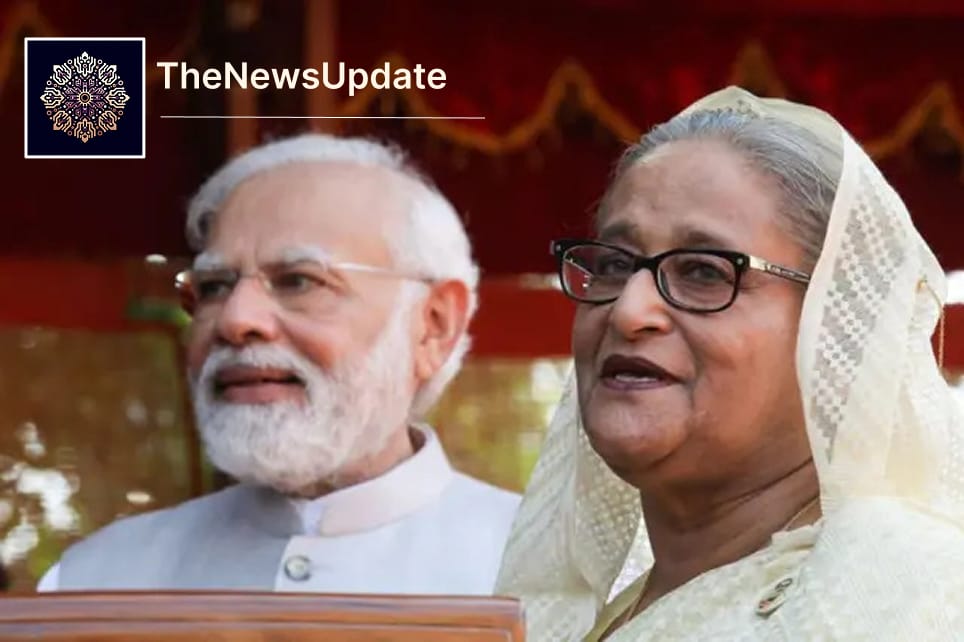
India’s refusal to extradite preserves a reputation — domestically and politically — for supporting close allies, but it risks being portrayed in Dhaka and beyond as sheltering individuals accused of serious rights abuses. That perception may hurt New Delhi’s soft-power claims and empower rivals who can offer quick diplomatic outreach or attractive financing for cancelled projects. Conversely, returning Hasina would likely trigger a domestic and regional backlash in India, undermining long-established bipartisan support for her.
Conclusion: Time, Elections and Quiet Diplomacy
The Hasina case is unlikely to produce an immediate, irreversible rupture. Instead, it will test India’s diplomatic patience and capacity for quiet, strategic engagement. New Delhi’s best short-term strategy appears to be steady management: keep trade and security channels open, avoid public escalation, and push quietly for elections in Bangladesh that produce a government willing to rebuild functional ties. Over the next 12–18 months — through electoral outcomes and diplomatic recalibration — we’ll see whether decades of alignment can be preserved or whether Bangladesh will pursue a deliberately less India-centric path.
Related Links
By The Morning News Informer — Updated November 21, 2025