By The Morning News Informer — Updated December 11, 2025
Table of Contents
- Background: Why H-1B Visa Holders Should Not Travel to India
- Mass Rescheduling of Interviews to 2026
- Expert Reactions & High-Risk Implications
- Social Media Vetting Rule: The Trigger Behind Delays
- Impact on Families, Jobs & Legal Status
- What H-1B Workers Should Do Now
- Conclusion: A Difficult Road Ahead
Background: Why H-1B Visa Holders Should Not Travel to India
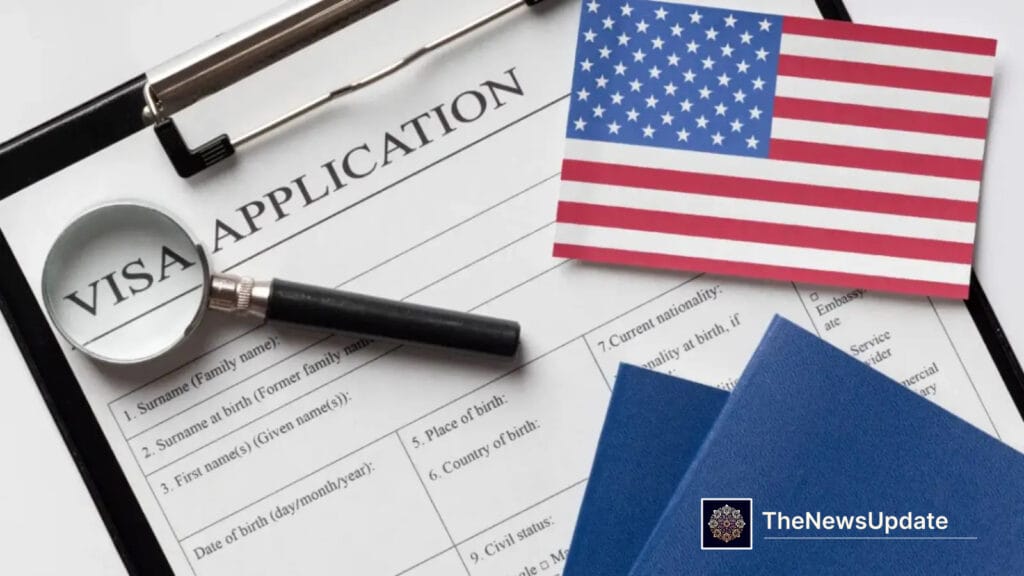
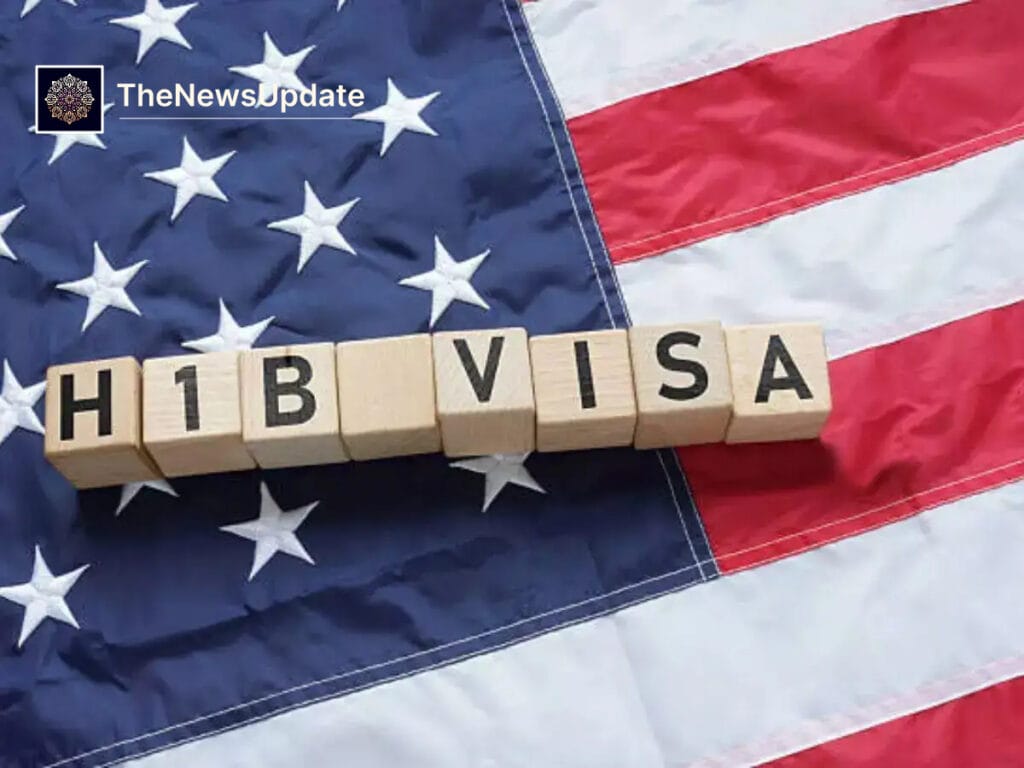
The warning that H-1B visa holders should not travel to India has triggered immediate concern among thousands of skilled Indian professionals working in the United States. The advisory comes amid an unprecedented disruption in US consular operations in India, where interviews scheduled for December 2025 were suddenly postponed to March, April, and even May 2026.
यह भी पढ़े:
 Osman Hadi Killers Fled to India via Meghalaya Border: Dhaka Police Reveal Shocking Escape Route
This abrupt shift has left many workers stranded, particularly those who had already traveled to India for their scheduled visa stamping appointments. Immigration attorneys say the consequences could be severe, ranging from long-term job loss to prolonged family separation.
The issue is compounded by new federal review protocols, especially the expansion of social media vetting rules for H-1B and H-4 applicants. As a result, the US Embassy and consulates in India have pushed back visa appointments by several months, insisting that the extended vetting cannot be completed under the current timeline.
For H-1B holders, whose jobs require physical presence in the US due to compliance, payroll, and export-control laws, this situation poses a major threat.
यह भी पढ़े:
 Bulldozer Raj Karnataka Demolitions: Congress Govt Faces Backlash After 400 Muslims Left Homeless
Mass Rescheduling of Interviews to 2026
The primary reason attorneys emphasize that H-1B visa holders should not travel to India revolves around the mass rescheduling of visa interviews. Hundreds of applicants woke up to emails stating that their appointments had been postponed—not by weeks, but by several months.
Interviews originally set for mid- and late-December 2025 have now been pushed as far as:
- March 2026
- April 2026
- May 2026
Many workers had booked tickets, taken leave from work, prepared documents, and traveled across cities for these interviews. Some even flew from the US to India specifically for visa stamping—only to now face months of uncertainty.

This unprecedented shift has caused what immigration specialists describe as “one of the largest visa processing disruptions in a decade.”
Expert Reactions & High-Risk Implications
Well-known immigration attorney Rahul Reddy has been among the most vocal experts advising that H-1B visa holders should not travel to India. His warning is clear and direct:
“Do not travel internationally for visa stamping unless you already have a valid visa in your passport.”
Reddy explained that the practical implications are far more severe than most applicants realize. Many American employers cannot legally allow remote work from outside the United States due to:
- US export-control regulations
- Corporate payroll policies
- Federal and state tax compliance
- Operational jurisdiction restrictions
This combination means that if an H-1B worker leaves the US without a valid visa stamp and ends up stuck abroad for months, the employer may be forced to terminate their employment.
Immigration attorney Rebecca Chen reinforced the same message. She said even those who have not yet received a rescheduling email should still avoid travel to India:
यह भी पढ़े:
 Canada Hospital Killed Indian-Origin Man: Wife Alleges Medical Negligence After 8-Hour Wait
“If you are already in the US, do not travel for visa stamping. The stamping determines re-entry—not your legal status inside the country.”
Social Media Vetting Rule: The Trigger Behind Delays
A key factor behind these disruptions is the US government’s expansion of social media screening. In early December, the US State Department announced that it would extend its review of applicants’ online profiles to include:
- H-1B visa holders
- H-4 dependent family members
- Renewal applicants
The vetting process now requires applicants to make their social media accounts public, allowing authorities to review posts, associations, and digital behavior. This screening was initially implemented for student visas earlier in 2025, but has now expanded to employment-based categories.
Immigration experts believe this has placed tremendous pressure on consular teams, forcing them to postpone large batches of appointments to accommodate the new review standards.
This is one of the major reasons immigration firms insist that H-1B visa holders should not travel to India until clarity returns.
Impact on Families, Jobs & Legal Status
The consequences of being stuck outside the US are far from minor. Workers without valid visa stamps cannot return, regardless of whether their legal H-1B status remains active. Attorneys warn that this situation could lead to:

- Job Loss: Employers cannot keep positions vacant for months.
- Salary Disruption: Workers cannot be on US payroll while abroad.
- Family Separation: Many applicants have spouses and children in the US.
- Loss of Health Insurance: Termination often cancels employer-sponsored benefits.
- Visa Complications: Gaps in employment can affect future green card processing.
People who already traveled to India for their scheduled interviews now have no option but to wait in the country until their 2026 appointment date. Meanwhile, their families in the US face uncertainty and emotional stress.
What H-1B Workers Should Do Now
Given the current turbulence, immigration attorneys recommend the following steps, especially for those wondering whether H-1B visa holders should not travel to India is merely advice or a strict warning.
✔ Stay in the United States if You Have a Valid H-1B Status
Your legal status inside the US does not depend on a visa stamp—it is tied to your I-797 approval. Do not leave unless absolutely necessary.
✔ Avoid Booking Visa Stamping Appointments for Now
Even if your interview has not yet been postponed, it might be rescheduled later.
✔ Do Not Risk Short Trips
Many assume a short holiday or family visit is safe. Under current circumstances, that assumption could be costly.
✔ Keep Employers Informed
Discuss the risks with your HR or legal team. Employers prefer predictability; being upfront helps maintain trust.

✔ Monitor the US Embassy Announcements
Stay updated with official statements instead of relying solely on social media discussions.
Conclusion: A Difficult Road Ahead
The directive that H-1B visa holders should not travel to India is more than precaution—it is a survival strategy during an unprecedented immigration disruption. With visa appointments pushed to mid-2026 and social media vetting protocols slowing down consular operations, traveling abroad poses a major risk to job continuity and family stability.
For now, the safest move for H-1B visa holders is clear: stay in the United States until normal scheduling resumes and the State Department provides further clarity.
Related Reads
By The Morning News Informer — Updated December 11, 2025