By The News Update — Updated Nov 5, 2025
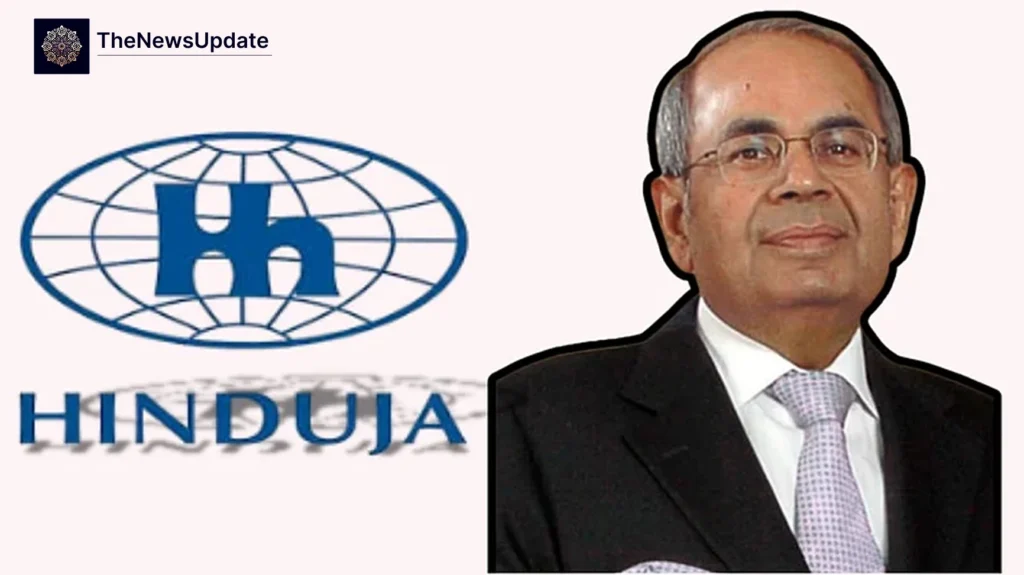
Gopichand Parmanand Hinduja, the Indian-British billionaire and chairman of the Group Gopichand Hinduja death , passed away at the age of 85, marking the end of an era for one of the world’s most enduring family conglomerates. The news, relayed publicly by British peer Rami Ranger, prompted immediate condolences across business, political and philanthropic circles. Ranger described Mr. Hinduja as “gracious, humble, and loyal,” and said his passing “marks the end of an era.”
Quick facts: Gopichand Hinduja at a glance
- Born: 1940, India
- Died: November 2025 (aged 85)
- Role: Chairman, Hinduja Group (took over as chairman in 2023)
- Education: Graduate of Jai Hind College, Mumbai; honorary degrees from University of Westminster and Richmond College
- Legacy: Co-shaped a global conglomerate spanning automotive, finance, energy, healthcare, and media
How the news broke — reactions and immediate responses
The announcement was first amplified through a statement by Lord Rami Ranger, a member of the British House of Lords and a longtime acquaintance of Mr. Gopichand Hinduja death. Ranger’s tribute reflected the private warmth and public stature of Gopichand Hinduja: a man at ease in both boardrooms and community settings.
यह भी पढ़े:
 Royal Yacht Britannia Visit to Ireland: ‘Superiority’ Concerns Revealed in Newly Released Files
Within hours, tributes arrived from across India and the UK, with business leaders, political figures, and philanthropic partners acknowledging his role in expanding the Hinduja legacy globally. The Hinduja Group posted a short internal statement expressing deep sorrow and noting that further details would be shared by the family.

For many observers, the passing invites a reassessment of both the Hinduja family’s historical roots and the modern conglomerate’s continuing influence on global industry.
From trading roots to a global conglomerate — a brief biography
The Gopichand Hinduja business story began in 1914, when Parmanand Hinduja — Gopichand’s father — established trading operations that would later expand internationally. Gopichand and his brother Srichand transformed those early ventures into a sprawling portfolio of businesses with presence in Europe, Asia and the Americas.

Gopichand Hinduja graduated from Mumbai’s Jai Hind College in 1959 and later received honorary doctorates in law and economics from institutions in London. Together with Srichand, he built the group into a multi-billion-dollar conglomerate that includes Hinduja Automotive, banking and finance arms, media holdings, energy projects and healthcare ventures Gopichand Hinduja death.
When Srichand Hinduja’s health declined and he died in 2023, Gopichand stepped into the group chairmanship role, inheriting stewardship over an enterprise that had weathered a century of geopolitical and economic shifts.
Business footprint: what Hinduja Group represented under GP Hinduja
Under the Hinduja brothers, the group emphasized diversification and long-term relationships. Key verticals included:

- Automotive: Hinduja Automotive and various global partnerships in auto components and manufacturing.
- Energy & Infrastructure: Investments in power projects and industrial parks across Asia and Europe.
- Finance: Banking and financial services, including ventures in insurance and asset management.
- Healthcare & Pharmaceuticals: Hospitals and pharma manufacturing as part of the group’s wider social investments.
- Media & Technology: Strategic investments in communications, media properties, and emerging technology initiatives.
These diversified interests allowed the group to offset cyclical weaknesses in any single sector, maintaining a stable, long-term view of capital allocation.
Philanthropy and public life — a quieter legacy
Beyond boardrooms, Gopichand Hinduja was widely respected for philanthropic initiatives. The Hinduja Foundation and various family trusts have long supported education, health, and social welfare programs in India and the UK. Under his stewardship, the family continued to fund scholarships, hospital wings and community programmes — a dimension of the Hinduja story that often receives less attention than its business achievements.
Moreover, honorary degrees and civic awards reflected recognition of both his business acumen and public contributions. Gopichand’s philanthropic footprint strengthened the family’s public profile and reinforced their long-standing ties to civic institutions.

Family dynamics and succession — what happens next
The Hinduja Group has been run as a family enterprise for generations, and its succession processes have historically been collaborative. After Srichand’s death in 2023, Gopichand Hinduja death assumed the chairmanship role; governance involves multiple family members across geographies, and operational leadership often sits with professional executives supported by family councils.
With Gopichand’s passing,Gopichand Hinduja death markets and observers will watch how the family consolidates leadership and whether any strategic repositioning follows. Historically, the family’s decentralized model — with siblings and cousins overseeing regional operations — provided resilience, but transitions in chairmanship can prompt market scrutiny, particularly around corporate strategy and capital allocation.
Global economic and market implications
On the face of it, the passing of a chairman in a diversified private conglomerate does not immediately change market fundamentals. Yet, it can have signalling effects: investors and partners look for continuity in strategy, assurances of governance stability Gopichand Hinduja death, and clarity on succession. For companies with public joint ventures or listed subsidiaries, the confirmation of leadership and long-term plans can be material.

For the Hinduja Group, key stakeholders will look for:
- Board-level confirmation of continuing management and any interim chair appointments.
- Assurances on capital commitments, particularly for large infrastructure or energy projects.
- Statements about philanthropic directions and commitments to ongoing social programmes.
Notable tributes and public remarks
Lord Rami Ranger’s public condolences were notable not only for their warmth but also for their political weight — Ranger is an influential figure in UK-India relations. In his message, Ranger noted Mr. Hinduja’s humour, commitment to the community, and support for good causes.
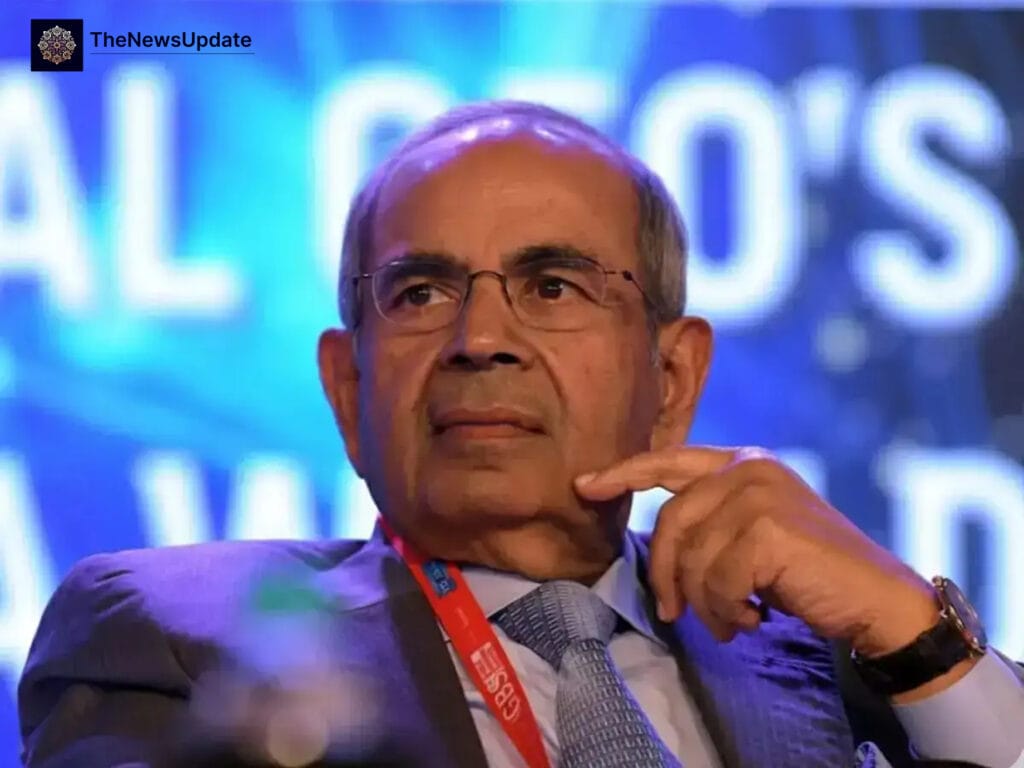
Across social and business media, colleagues and public figures echoed similar sentiments — describing Gopichand as a steadying influence who combined discretion with a deep sense of duty to family and community.

Analyst POV — corporate continuity and strategic outlook
Analyst take: From a business continuity perspective, the Hinduja Group has long been structured to survive generational transitions. The group’s portfolio diversification and regional teams dilute the impact of any single leader’s departure. That said, transitions raise questions about strategic priorities. Investors in listed joint ventures and partners in large capital projects will be keenly attentive to the family’s succession announcements and any confirmations about ongoing projects.
In practical terms, stakeholders should monitor official family statements, board minutes for listed arms, and any regulatory filings that could reflect changes in executive responsibilities. A rapid and transparent communication plan from the family and group will be important to prevent uncertainty from affecting partner relationships or financing plans.
Editorial POV — the end of an era and the arc of modern conglomerates
Editorial perspective: Gopichand Hinduja’s life spans a familiar arc for many South Asian business dynasties: humble trading origins, entrepreneurial expansion across borders, and institutionalization into a modern conglomerate. His passing is both personal and symbolic. It marks a generational handover in which the old guard’s discretion and relationship-driven deals give way to professionalized corporate governance and public scrutiny.
यह भी पढ़े:
 UK Will Rejoin Erasmus Student Scheme in 2027: What It Means for Students and Universities
The Hinduja story also reflects wider themes in global business: how family-run enterprises adapt to regulatory regimes, manage reputational risk, and maintain philanthropic identities. Watching how the family navigates this transition tells us much about the future of family business governance in an age of scrutiny and compliance.
Further reading & sources
Conclusion — remembering Gopichand Hinduja
Gopichand Hinduja’s passing is the close of a long chapter in a family saga that shaped a multinational enterprise. He leaves behind a tightly woven family business, decades of industry relationships, and a philanthropic footprint across continents. As tributes pour in, the immediate focus will be on family statements and governance signals; in the longer term, the Hinduja Group’s ability to translate legacy into future growth will define the next phase of the enterprise.