Table of Contents
- Background: A Popular Nightlife Hub Turns Deadly
- The Goa Nightclub Fire Tragedy: What Happened?
- Human Stories Behind the Tragedy
- Investigations, Safety Lapses & Accountability
- Impact on Tourism and Migrant Workers
- Conclusion: What’s Next for Justice & Safety?
- Related Reads
Background: A Popular Nightlife Hub Turns Deadly
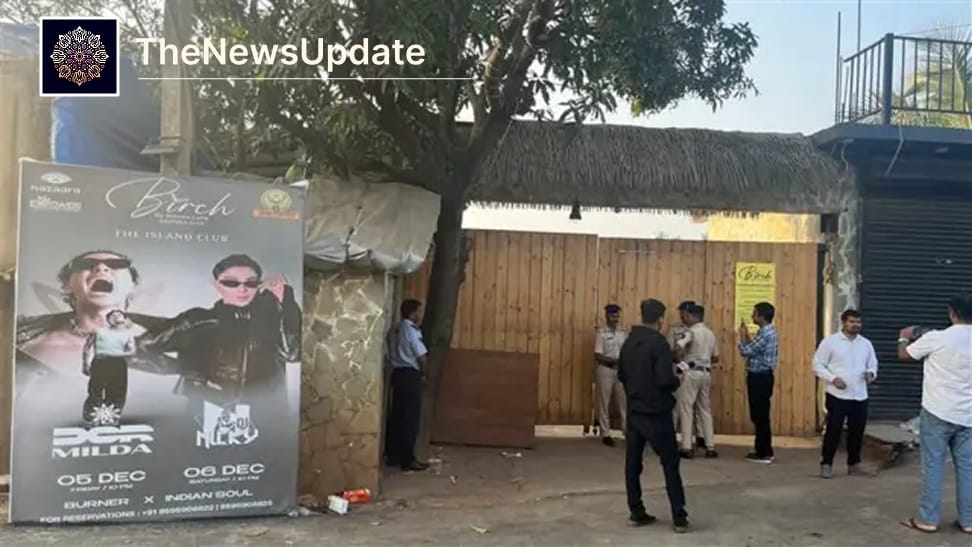
Goa has long been celebrated as India’s most vibrant tourist destination—sun-soaked beaches, eclectic cuisine, and a nightlife culture that attracts millions of visitors every year. Among the many clubs and beachside lounges, Birch By Romeo Lane stood out as a trendy hotspot known for its ambience and youthful crowd. Located near one of Goa’s busiest beaches, it drew both tourists and locals year-round.
But behind the dazzling lights and holiday excitement, a grim reality existed. Like many nightlife venues in tourist-heavy areas, the club employed dozens of migrant workers from states such as Jharkhand, Uttarakhand, Uttar Pradesh, and Karnataka. They formed the backbone of Goa’s hospitality sector—cooks, cleaners, servers, helpers—many of them dreaming of a better life, supporting families, or preparing for weddings and milestones back home.

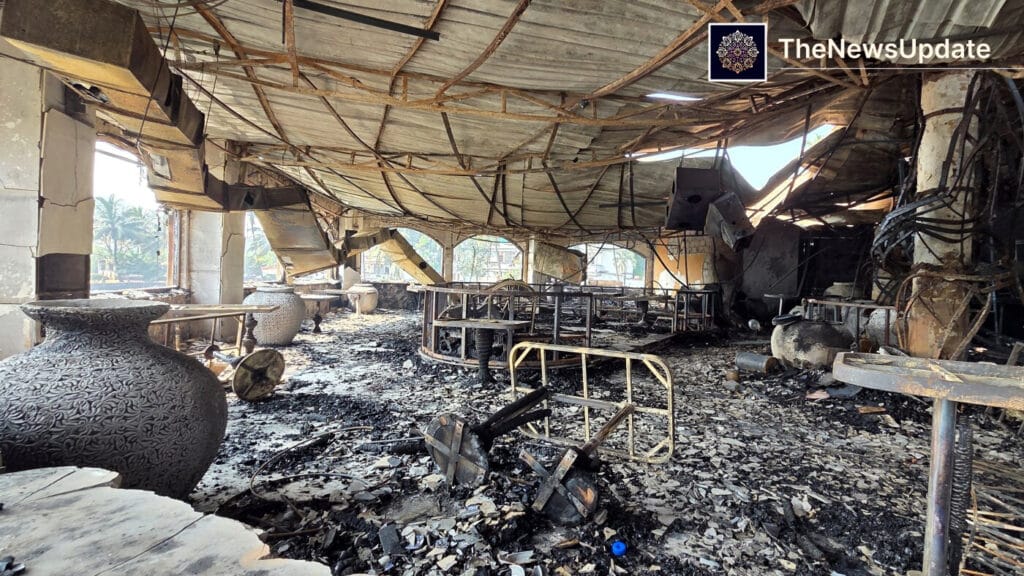
The Goa nightclub fire tragedy shattered those dreams in the early hours of Sunday when a blaze ripped through the club, killing 25 people. Most victims were workers finishing their shifts or preparing for the next workday. The incident has now sparked intense debate over fire safety regulations, overcrowding, permit violations, and the responsibility of business owners.
The Goa Nightclub Fire Tragedy: What Happened?
According to preliminary investigations, the fire broke out shortly after midnight when the club was almost full. Witness accounts suggest that the blaze spread quickly, leaving little time for workers or visitors to escape. Panic and poor lighting contributed to a deadly crush at the exit points.
Police have arrested at least four people—including the nightclub’s manager—while the search continues for the owner, who is believed to have gone into hiding. Authorities are examining whether flammable décor, faulty wiring, or overcrowding led to the disaster.

The tragedy has renewed questions about whether Goa’s booming nightlife industry has outpaced safety standards. Many establishments operate in densely packed commercial zones where emergency exits are limited or poorly marked.
Human Stories Behind the Tragedy
Beyond the structural and regulatory failures, the Goa nightclub fire tragedy is first and foremost a human tragedy. The stories of the victims reveal the depth of grief now felt across several Indian states.
Two Brothers, Two Weddings, One Devastated Family
Among the 25 victims were brothers Binod and Pradeep Mahto from Ranchi, Jharkhand. They had moved to Goa earlier this year due to limited local opportunities and worked as cooks at Birch By Romeo Lane.

Their elder brother, Fagu Mahto, described how the family was preparing for both brothers’ weddings—scheduled for early next year. Their last conversation was through a video call just hours before the fire.
“They asked me to rebuild the house before Holi,” he said. Instead, two coffins returned home.
A Christmas Homecoming That Never Happened
For 52-year-old Phulo Mundain, the holiday season was supposed to bring her son Mohit home. The 22-year-old had been working as a waiter at the club.
यह भी पढ़े:
 Osman Hadi Killers Fled to India via Meghalaya Border: Dhaka Police Reveal Shocking Escape Route
“He promised he would build us a new house,” she said. “Now all I have left are his memories.”
A Village in Uttarakhand Plunged Into Mourning
In Uttarakhand, the death of 27-year-old Satish Rana left his family and village stunned. Satish had moved to Goa only two months earlier in search of a stable income.
His father, Surendra Rana, said the family has not yet come to terms with the loss. His elderly grandmother, unaware of the tragedy, keeps asking when Satish will return home.

A Data Scientist’s Holiday Gone Wrong
Not all the victims were workers. Among the tourists was Ishaq, a 25-year-old data scientist from Karnataka who had traveled to Goa with five friends.
According to relatives, he died in the crush as people scrambled to escape. The group had planned a short holiday to unwind—but returned home with one fewer person.
A Family Trip That Ended in Four Deaths
Four of the deceased tourists—three sisters-in-law and a man—were from Delhi. It was their first trip to Goa, and they had been excited about the vacation. Their relative, Harish Singh, said the family is devastated.
यह भी पढ़े:
 Bulldozer Raj Karnataka Demolitions: Congress Govt Faces Backlash After 400 Muslims Left Homeless
The only survivor from the group was the man’s wife, Bhavna. They had just finished dinner and were about to leave the club when the fire began.
Investigations, Safety Lapses & Accountability
As rescue operations concluded, attention shifted to the club’s operations and regulatory compliance. Early findings indicate:
- Poorly maintained electrical wiring
- Overcrowding beyond permitted capacity
- Improper emergency exits
- Possible use of flammable interior materials
- Delayed emergency response due to blocked pathways
Authorities have sealed several other clubs in the area pending safety audits. Goa’s Chief Minister has promised strict action, but critics argue that such tragedies are preventable and occur only due to systemic negligence.

Experts say the fire is reminiscent of earlier incidents in Mumbai, Delhi, and other cities where lapses in fire safety have led to fatal outcomes. The Goa nightclub fire tragedy may now prompt a re-evaluation of safety protocols across India’s nightlife and hospitality sector.
Impact on Tourism and Migrant Workers
Goa welcomes nearly eight million visitors annually. The tragedy comes at a time when the state is preparing for peak holiday tourism. Travel analysts expect that the incident may temporarily affect visitors’ confidence, especially regarding nightlife safety.
But the deeper impact will be felt by migrant workers. Thousands from Jharkhand, Bihar, Odisha, and Uttarakhand depend on Goa’s hospitality industry for livelihood. The tragedy has triggered calls for:

- Better accommodation standards
- Formal safety training for workers
- Mandatory insurance coverage
- Stricter enforcement of workplace safety norms
Families of the deceased have demanded compensation, and state governments have begun coordinating relief efforts.
Conclusion: What’s Next for Justice & Safety?
The Goa nightclub fire tragedy stands as a sobering reminder that safety standards cannot be compromised—especially in high-density tourist areas. As families mourn their loved ones, the state must take concrete action to ensure accountability and prevent similar tragedies.
While arrests have begun, the broader question remains: how many more lives will be lost before safety becomes a non-negotiable priority? The coming weeks will determine whether this catastrophe becomes a catalyst for systemic reform or fades into yet another forgotten case.

Related Reads
By The News Update — Updated December 2025