
Background: The Rise of Gig Hiring in India
India’s gig economy has witnessed unprecedented growth in 2025, driven by e-commerce, logistics, and the booming quick-commerce sector. As the festive season unfolded, gig hiring jumped 25% this festive season compared to the previous year, making it the busiest quarter for temporary and contract jobs across the country.
From warehouse assistants and pickers to last-mile delivery riders, the surge reflected not only higher consumer spending but also improved workforce planning by major companies. According to data shared by staffing leaders like TeamLease Services and NLB Services, companies began recruitment as early as August to meet the Diwali rush, mitigating disruptions seen in past years.
Balasubramanian A, Senior Vice President at TeamLease Services, noted that “we saw a 20–25 percent uptick in gig and temporary hiring this festive season compared to the last financial year.” The organized planning, richer incentive structures, and targeted Tier-2 hiring strategies contributed to this record performance Gig hiring jumps 25% this festive season.

Main Surge: Quick-Commerce and Logistics Drive Record Demand
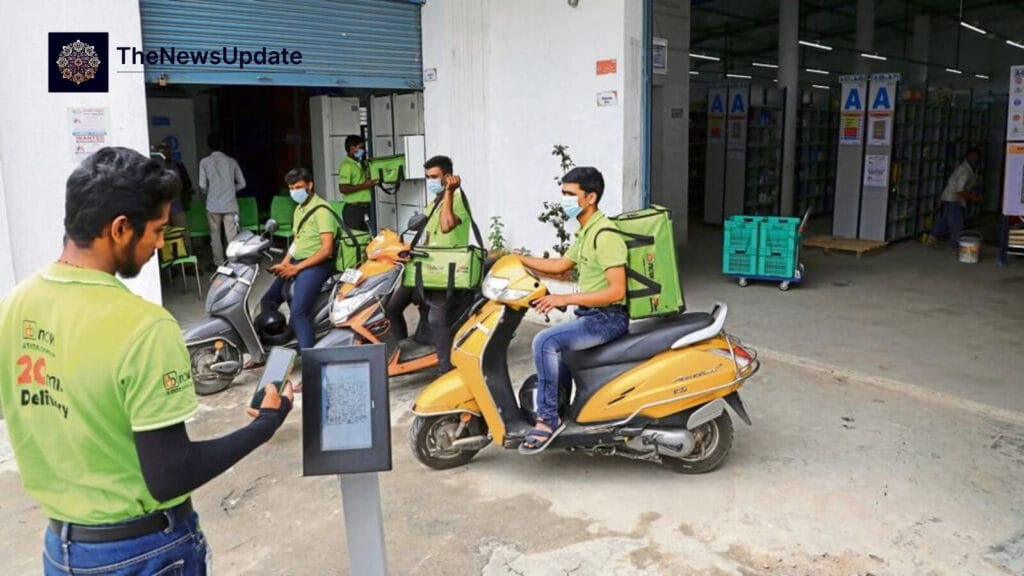
The largest share of job creation came from quick-commerce and logistics platforms — sectors that have transformed how consumers shop for essentials and gifts during the festive period. These platforms accounted for roughly 60–65 percent of all new hires, as per NLB Services.
Quick-commerce firms expanded their dark-store capacity and rider fleets to meet record order volumes, while third-party logistics players filled critical operational roles. The demand surge was particularly visible in roles such as:
- Warehouse loaders and sorters
- Last-mile delivery riders
- Pickers and packers
- Dispatch coordinators and store managers
Despite early planning, staffing firms reported some shortages during major sale events. “Gaps were severe and concentrated during peak windows,” said Balasubramanian of TeamLease. Companies responded by rerouting inventory and deploying surge staff to high-demand zones to keep deliveries on schedule before Diwali.

Meanwhile, Tier-2 and Tier-3 cities like Lucknow, Jaipur, Coimbatore, Bhubaneswar, and Nagpur saw the steepest hiring growth — up by 21–25% year-on-year according to Adecco India. As logistics networks decentralize, these regions are becoming new workforce hubs supporting nationwide supply chains.
Reactions, Incentives, and Workforce Trends
One of the most notable shifts this year was the introduction of enhanced payout schemes and incentive structures to attract and retain gig workers. Employers rolled out short-term bonuses, attendance rewards, and surge pay — in some cases doubling standard rates during high-demand weeks.
According to NLB Services, surge payouts in delivery-heavy segments ranged from 15–25%, while Adecco India reported that entry-level staff received 12–15% higher compensation, and experienced workers earned 18–22% more compared to last year. TeamLease added that variable pay has become a permanent feature in gig contracts, helping stabilize workforce availability.

Another significant highlight was the 30–35% rise in female workforce participation, particularly in customer support, retail, and warehouse operations. This inclusion marks a gradual shift in the demographics of India’s gig economy, traditionally dominated by male workers.
As companies battle high attrition rates, many have begun implementing referral bonuses, flexible shifts, and loyalty programs to strengthen worker retention. Platforms that once relied heavily on short-term festival hiring are now embracing structured gig partnerships and training programs for repeat seasonal employment.
Future Outlook: Sustained Gig Momentum into 2026
The momentum of gig hiring jumps 25% this festive season isn’t expected to fade after Diwali. Staffing firms project that about 20–30% of the seasonal workforce will be retained for the upcoming wedding and New Year demand cycles. NLB Services estimates that retention could reach 26% in logistics and quick-commerce roles, signaling a more sustainable employment trend.
यह भी पढ़े:
 Top Sarkari Naukri Schemes in Bihar: 10 Employment & Skilling Initiatives Launched by Nitish Kumar
As Adecco India projects another 18–20% growth in hiring volumes through March 2026, several macroeconomic factors are also aligning in favor of gig expansion. Key among them is the implementation of GST 2.0, which has streamlined compliance and improved cash flow predictability for businesses operating across states. This stability enables longer-term workforce planning and consistent pay cycles for gig workers.
“With GST 2.0 improving input credit flow and transparency, businesses are better positioned to forecast workforce needs and maintain steady operations beyond the festive window,” said Balasubramanian of TeamLease.
The evolution of the gig economy also reflects a broader shift in India’s labor landscape — from temporary festival employment to continuous on-demand workforce models. With e-commerce penetration deepening in Tier-2 cities and logistics innovation expanding, India’s gig sector is likely to play a defining role in shaping the employment story of 2026.Gig economy India 2025

Related Reads
By The News Update — Updated November 13, 2025