Table of Contents
- Background on Gaza’s Food Security Crisis
- Latest UN Findings and IPC Report
- Israeli Response and Controversy
- Humanitarian Challenges and Critical Areas
- Looking Ahead: Predictions and Risks
Background on Gaza’s Food Security Crisis
The Gaza Strip has faced a prolonged humanitarian crisis exacerbated by repeated conflicts, blockades, and the destruction of infrastructure Gaza Food Supplies Update. In March this year, Israel imposed a full blockade on aid deliveries, severely limiting food, medical supplies, and other essential goods. Although the blockade was partially eased in May, access remained restricted, leaving hundreds of thousands of Palestinians vulnerable to severe food insecurity.
In August, the Integrated Food Security Phase Classification (IPC) found that around half a million people—roughly 25% of Gaza’s population—were living under famine conditions. Acute malnutrition and lack of access to safe food were particularly severe in Gaza City, Deir al-Balah, and Khan Younis, creating what humanitarian agencies described as a “catastrophe” for households across the territory.

Latest UN Findings and IPC Report
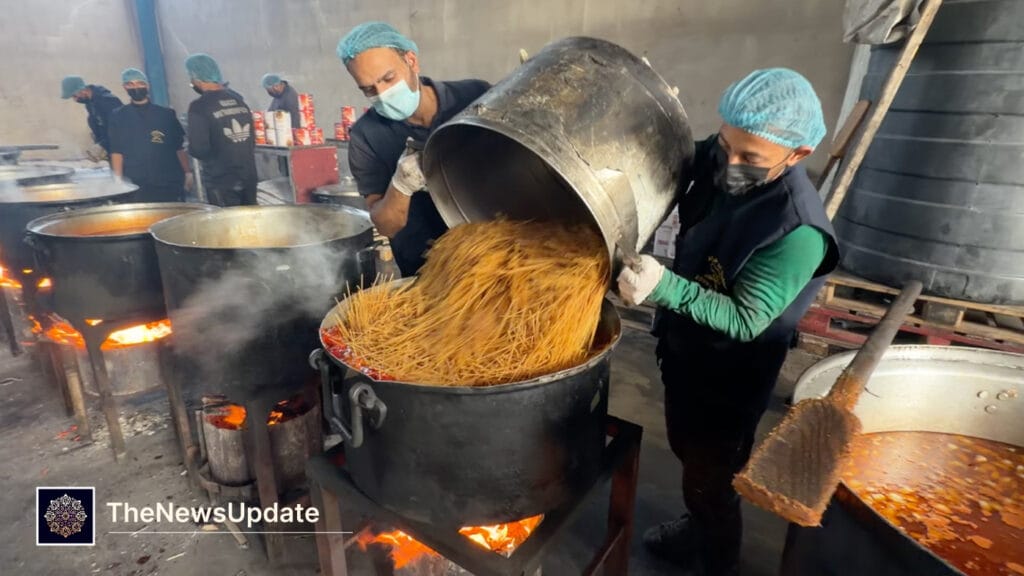
Following a fragile ceasefire in October, the UN and partner agencies were able to increase humanitarian assistance to Gaza. The latest IPC analysis indicates that while overall conditions have improved and no areas are currently classified as “famine,” more than 100,000 people were still experiencing IPC Phase 5 – the highest level of food insecurity, also called “catastrophic conditions.”
The report projects that the number of individuals in catastrophic conditions will continue to decrease, with a prediction of just 1,900 people at extreme risk by April 2026. However, the IPC stressed that the situation remains highly fragile, and any renewed hostilities could reverse the progress made, putting the entire Gaza Strip at risk of famine once again.
Israeli Response and Controversy
Israel’s foreign ministry dismissed the IPC report as “deliberately distorted” and claimed it did not reflect the actual conditions on the ground. Cogat, the Israeli military body controlling Gaza’s crossings, stated that food aid deliveries exceeded UN-determined requirements. They further criticized the IPC methodology, alleging that the report relied on incomplete data and sources influenced by Hamas, while ignoring humanitarian assistance already in place Gaza Food Supplies Update.

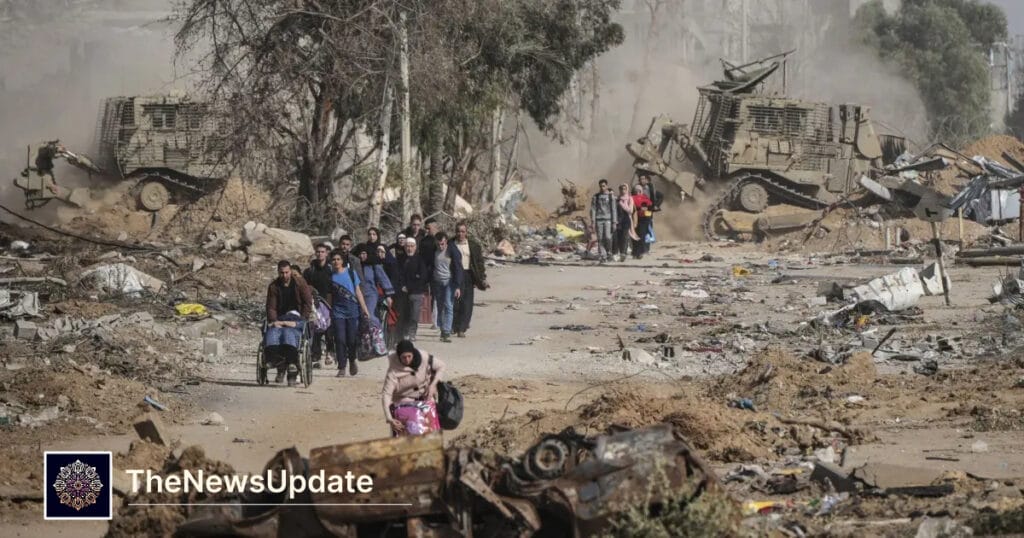
Prime Minister Benjamin Netanyahu highlighted progress on the US-brokered peace plan, which includes a potential Israeli withdrawal and disarmament of Hamas, as a key step toward stabilizing the region. However, critics argue that structural issues—such as restricted humanitarian access, destroyed livelihoods, and the displacement of over 730,000 people—continue to fuel food insecurity.
Humanitarian Challenges and Critical Areas
The IPC report highlights acute malnutrition as a critical concern in Gaza City and serious in Deir al-Balah and Khan Younis. More than 96% of crop land in Gaza is destroyed or inaccessible, further limiting food production. The winter season exacerbates living conditions, particularly for the displaced population, whose access to food, drinking water, and medical supplies remains limited.
UNRWA, the UN agency for Palestinian refugees, emphasized that while famine is no longer classified at a regional level, the situation remains “critical” and requires sustained humanitarian access. The agency warned that consistent and expanded support is essential to prevent a resurgence of famine conditions.

Looking Ahead: Predictions and Risks
The humanitarian outlook for Gaza is cautiously optimistic but fragile. Analysts predict that if the ceasefire holds and aid deliveries continue, the number of people facing catastrophic conditions will fall significantly over the coming months. Yet, any resurgence of violence or blockade could reverse progress instantly, pushing Gaza back toward famine conditions.
Efforts by international organizations, local charities, and governments remain critical. Experts emphasize the need for both immediate food assistance and long-term strategies to rebuild livelihoods, restore agriculture, and maintain access to essential supplies. Only sustained humanitarian intervention combined with political stability can prevent future crises in the territory.
Related Reads
By The News Update — Updated 19 December 2025