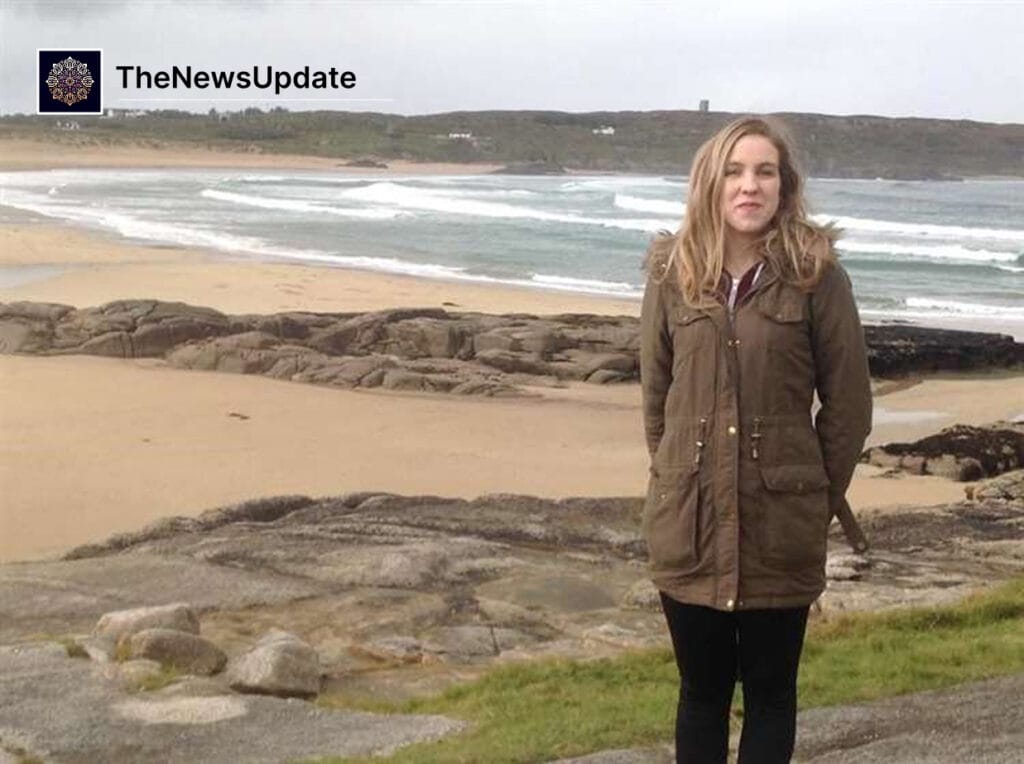
Background to Natalie McNally Case
The phrase family left in limbo after murder trial delay warning has taken on painful significance for the relatives of Natalie McNally, who was killed in her Lurgan home in December 2022.
Natalie was 15 weeks pregnant at the time of her death, a detail that has deeply resonated across Northern Ireland and intensified public concern about violence against women.
A man accused of her murder has denied the charge and was due to stand trial next month. However, warnings from the judiciary that the case may now be delayed have reopened wounds for a family that has already endured years of uncertainty.
यह भी पढ़े:
 Royal Yacht Britannia Visit to Ireland: ‘Superiority’ Concerns Revealed in Newly Released Files
Nearly three years after Natalie’s death, her family say they remain trapped within a justice system that feels slow, unpredictable, and emotionally exhausting.
Family Left in Limbo After Murder Trial Delay Warning
The warning that Natalie McNally’s murder trial may be postponed has left her family devastated.
Her brother, Declan McNally, said the news was “re-traumatising” and described the uncertainty as being stuck in “purgatory”.

Speaking publicly, he said the family did not take sides in the industrial dispute behind the possible delay, but stressed that victims’ families are the ones paying the emotional price.
“Three years on and we’re still within the criminal justice system,” he said, adding that the trial has already been delayed three times.
The latest warning, delivered in court, offered no clear timeframe for when the case might proceed, leaving the family feeling abandoned and powerless.

With the anniversary of Natalie’s death approaching, Declan described the possibility of another delay as “a kick in the teeth”.
Barristers’ Industrial Action Explained
The potential delay stems from ongoing industrial action by criminal barristers in Northern Ireland, who are locked in a dispute over legal aid fees.
Criminal barristers have voted to withdraw services from Crown Court cases starting 5 January 2026, unless progress is made in negotiations.

The Criminal Bar Association says the decision was not taken lightly and follows long-standing concerns about pay, workload, and sustainability within the justice system.
A Bar Council spokesperson acknowledged the “profound impact” the action could have on victims, defendants, and witnesses, but said the situation had reached a breaking point.
Judges have warned that even cases already listed for trial could face disruption if counsel are unavailable.

In Natalie McNally’s case, Mr Justice Kinney confirmed the trial date remains listed for 26 January but cautioned that difficulties may arise.
“I will hold the date in the hope that other matters will be resolved,” he said, while preparing the family for the possibility of further delay.
Impact on Victims and Families
For families like the McNallys, the warning reinforces the sense that justice is always just out of reach.
यह भी पढ़े:
 UK Will Rejoin Erasmus Student Scheme in 2027: What It Means for Students and Universities
Declan McNally said his parents were “very upset” and struggling emotionally as the uncertainty drags on.
“It’s very hard to move on until justice is done,” he said. “We’re still waiting for answers, and it’s extremely difficult.”
Victims’ advocates say this experience is not unique.

Sonya McMullan, from Women’s Aid, said delays in the justice system make survivors and families feel as though their lives are on hold indefinitely.
She warned there is a real risk that some victims may withdraw from the process entirely due to exhaustion and emotional strain.
“Even before this strike occurred, we had huge delays,” she said, describing the system as neither trauma-focused nor victim-focused.

Political and Legal Reaction
The issue has sparked strong reaction from across the political spectrum.
Justice Minister Naomi Long said she was “disappointed and frustrated” by the decision to escalate industrial action.
“My first thoughts are with the victims and witnesses who will be adversely affected,” she said.

The Ulster Unionist Party’s justice spokesperson Doug Beattie said victims would “pay the price” for the dispute.
He expressed particular concern that the industrial action is open-ended, meaning families have no certainty about when cases may resume.
“At least if there was an end date, people could plan,” he said, calling for urgent talks between the Department of Justice and the Bar.

Concerns Over Northern Ireland’s Justice System
The warning that has left Natalie McNally’s family in limbo has reignited broader concerns about Northern Ireland’s criminal justice system.
Declan McNally described the system as “a mess” and said it moves at a “glacial pace” compared with other parts of the UK.
Legal experts say Northern Ireland faces unique pressures, including staffing shortages, funding constraints, and case backlogs exacerbated by the pandemic.

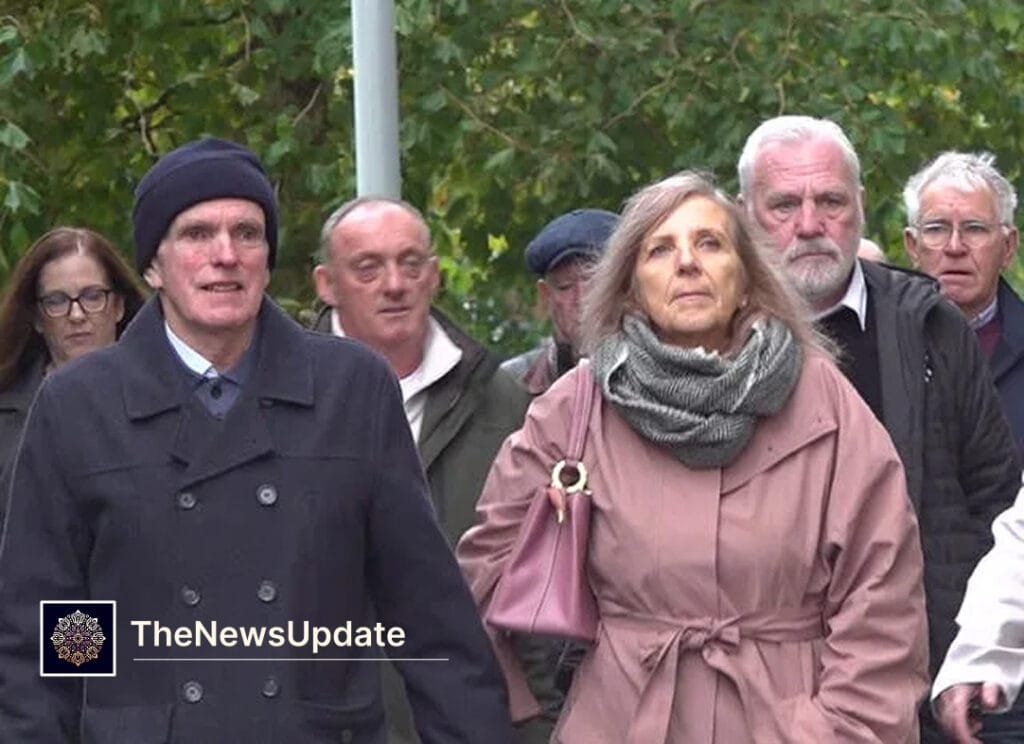
Advocacy groups argue that without urgent investment, delays will continue to compound trauma for victims and undermine public confidence.
The system’s inability to provide clear timelines has been highlighted as one of its most damaging failures.
What Happens Next
For now, Natalie McNally’s trial technically remains scheduled, but the warning of a possible delay hangs heavily over the family.

The coming weeks will determine whether negotiations resolve the dispute or whether cases are postponed indefinitely.
For the McNally family, the hope remains that justice will not be pushed further out of reach.
As they approach another painful anniversary, their message is simple: victims should not be collateral damage in disputes within the justice system.

The case has become a stark reminder that behind every delayed trial are families struggling to grieve, heal, and find closure Family left in limbo after murder trial delay warning.
Related Reads
By The News Update— Updated December 17, 2025